10 Signs You've Found a Genuinely Good Vet
A genuinely good vet is easy to spot once you know what to look for: they explain things clearly, offer options with honest prices, handle your pet gently, and never rush you out the door. Use these 10 signs to judge a clinic on your next visit, and trust how you and your pet feel in the room as much as the credentials on the wall.
Most pet owners choose a vet the way they choose a corner shop: whichever one is closest and open. It works right up until the day it does not, when your dog swallows something it should not have or your cat stops eating and you suddenly need a vet you actually trust. The difference between a genuinely good vet and a merely convenient one is invisible on a quiet Tuesday and enormous in a crisis.
The good news is that a genuinely good vet is not hard to spot once you know the signs. You do not need a veterinary degree to judge one. You need to pay attention to how they communicate, how they handle your pet, and how they treat you when the news is complicated. Here are the ten signs that tell you the clinic you are sitting in is one worth keeping.
1. They explain what is happening in plain language
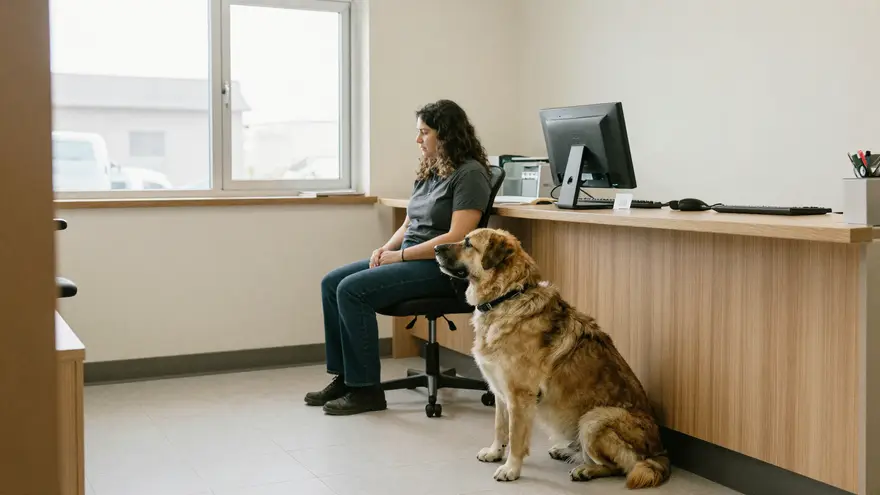
The clearest marker of a good vet is that you leave understanding what is wrong with your pet and what happens next. A genuinely good vet translates. They tell you what they found, what it probably means, and what the plan is, in words you can repeat to your partner at home without getting lost.
Watch for whether they check that you have understood, rather than just talking at you. The best vets pause, ask if you have questions, and are happy to draw a diagram or point at an x-ray. A vet who hides behind jargon, or who seems irritated when you ask a basic question, is not doing the most important half of the job. Clinical skill matters, but skill you cannot understand is skill you cannot act on.
If you have ever walked out of an appointment unsure what you were actually told, you already know how much this matters. It is one of the first things worth weighing when you are choosing a vet in Australia.
2. They give you options, not ultimatums
Pets rarely have exactly one path forward. There is usually a gold-standard option, a sensible middle option, and a more affordable one, and a genuinely good vet lays them out rather than presenting a single expensive plan as the only choice. This is not about cutting corners. It is about respecting that your budget, your pet’s age, and your circumstances are all part of the decision.
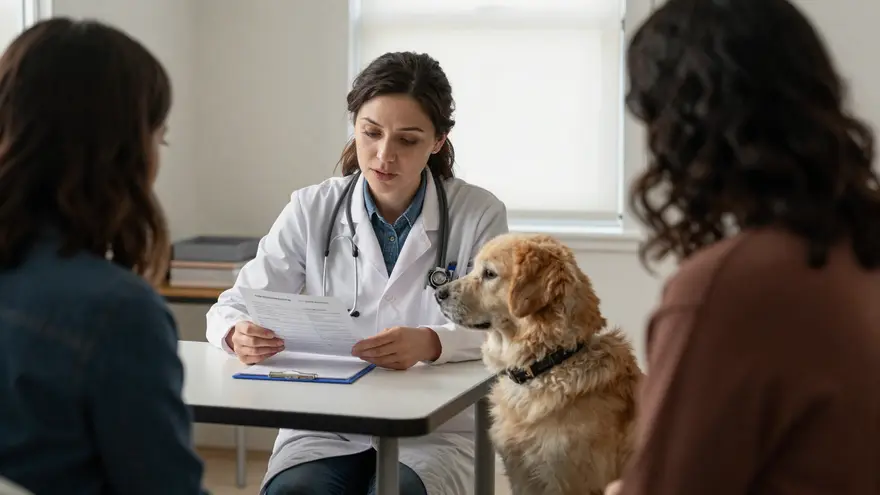
Listen for the phrase “here are a few ways we could approach this.” A good vet will tell you what they would do and why, but they will not make you feel guilty for asking about cost or choosing a more modest plan. Ultimatums, guilt trips, and “if you really loved your pet you would” language are red flags. The best vets understand that the right plan is the one you can actually follow through on, and they help you find it. If money is genuinely tight, they will also point you toward the real options, which we cover in the guide on what to do when you cannot afford vet care.
3. Their estimates are honest and itemised
A trustworthy clinic gives you a written estimate before major work, and the estimate holds up. You should be able to see the line items, ask what each one is, and get a straight answer. When the final bill arrives, it should match the estimate, or the vet should have called you the moment something changed the plan.
The warning sign is the opposite: vague quotes, surprise charges, or a bill that balloons well past what you were told with no explanation. A good vet treats your money with the same care they treat your pet, because they know an unexpected bill can shatter trust even when the medicine was excellent. Understanding an estimate is a skill worth building, and it makes the good clinics easy to recognise. When the numbers are clear and the vet is happy to walk you through them, you are in good hands.
4. They handle your pet gently and read its body language
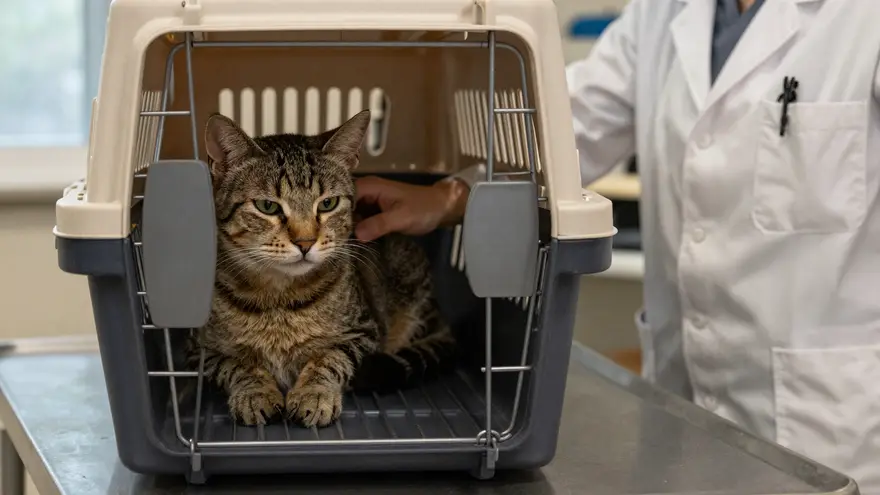
Watch your pet, not just the vet. A genuinely good vet handles animals in a way that keeps them as calm as possible: slow movements, a quiet voice, treats in a pocket, and a willingness to pause when a frightened dog or cat needs a moment. They read body language and adjust, rather than pinning a struggling animal to force the exam through on schedule.
This is not softness. A calm patient is safer, easier to examine properly, and more likely to recover well, so gentle handling is good medicine as well as good manners. It matters even more for anxious animals, which is why the same principle sits at the heart of finding a cat-friendly vet or a clinic that suits a nervous dog. If your pet visibly settles with a particular vet, that is a signal worth trusting.
5. They do not rush you out the door
Time is the quiet tell. A genuinely good vet gives your appointment enough room to do the job properly, listen to your concerns, and answer your questions, rather than treating you like an item on a conveyor belt. You should not feel like you are being hurried out so the next patient can come in before you have finished asking what you came to ask.
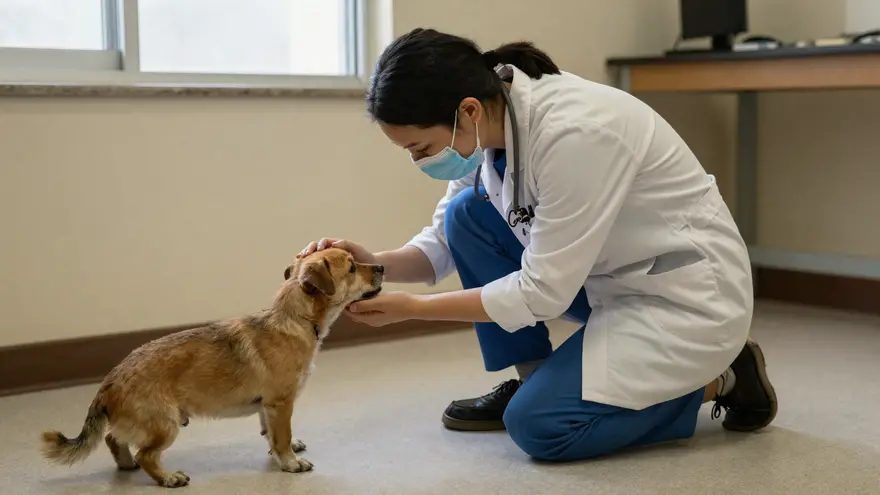
That does not mean a good clinic is never busy. Emergencies happen, and a vet who is running late because they stopped to save an animal is doing exactly what you would want if it were your pet on the table. The difference is respect: a good clinic apologises for the wait, explains it, and still gives you their full attention when your turn comes. Chronic, unexplained rushing where every visit feels clipped and impatient is the pattern to worry about.
6. They keep good records and remember your pet
Continuity is a hallmark of quality. A good clinic keeps thorough records, so whichever vet you see can pick up your pet’s history, past bloodwork, vaccination dates and previous problems, without making you repeat everything from scratch. Even in a larger practice where you do not always see the same person, the notes should travel with your pet.
The best clinics go further and genuinely remember your animal, or at least make you feel they do by reading the file before they walk in. When a vet greets your dog by name, references the ear infection from last spring, or asks how the new diet is going, that is not a party trick. It is a sign of a clinic that treats your pet as an individual patient rather than a slot in the calendar. Good records also make switching clinics painless if you ever need to, since a well-run practice hands over history without fuss.
7. Their reviews are strong, specific and answered
Online reviews are noisy, but read carefully they tell you a lot. A genuinely good vet tends to collect steady, specific praise that mentions communication, gentle handling and follow-up, rather than just “great vet, five stars.” Look for patterns across many reviews rather than fixating on a single glowing or furious one.
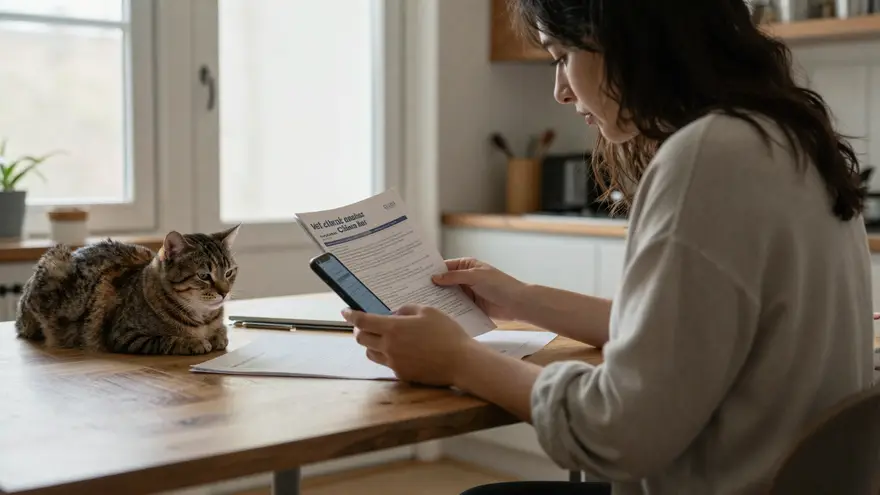
Pay attention to how the clinic responds to criticism, too. A thoughtful, non-defensive reply to a negative review often says more than the complaint itself, because it shows how the clinic behaves when things go wrong. To compare clinics properly, you can search for vets by suburb and read a spread of recent feedback, or browse the top-rated practices in your state to see which ones earn consistent trust. If you want to know how ratings are put together in the first place, our methodology explains what goes into a score and what to weigh for yourself.
8. They are upfront about what they can and cannot do
No single clinic does everything, and a genuinely good vet knows the edges of their own expertise. When your pet needs advanced imaging, a specialist surgeon, or an exotic-animal expert, a good vet refers you promptly and without ego rather than attempting something beyond their setup. That honesty protects your pet.
This shows up in everyday ways as well. A good general clinic will happily tell you when a case is outside their comfort zone and point you to the right specialist service or an exotic and avian vet if that is what your animal needs. Confidence is reassuring, but a vet who never refers and insists they can handle anything should give you pause. The best clinics are secure enough to say “this one is better handled by someone who does it every day.”
9. Their emergency and after-hours plan is clear
Ask any clinic what happens at 2am and you learn a great deal. A genuinely good vet has a clear, well-communicated plan for emergencies, whether that is their own after-hours service or a direct referral to a dedicated emergency hospital nearby. They will tell you the arrangement without hesitation and make sure you have the number before you need it.

The clinics to be wary of are the ones that are vague about after-hours cover, or that leave you to work it out yourself in the middle of a crisis. A good vet treats your pet’s safety as a 24-hour responsibility even when their own doors are closed, and they make the plan obvious in advance. It is worth confirming the arrangement the day you choose your regular clinic, and keeping the emergency number saved. Knowing exactly what to do in a crisis is far easier when the plan was set out calmly beforehand, as the guide on what to do in a pet emergency explains.
10. They follow up, and your pet actually gets better
The final sign is the one that matters most: the medicine works, and the clinic checks. A genuinely good vet follows up after a significant treatment or procedure, calling or messaging to see how your pet is doing rather than assuming no news is good news. That follow-up is not just kindness. It catches complications early and shows the clinic cares about the outcome, not only the appointment.

Over time, the truest test is simple. Does your pet get better under this vet’s care? Are ongoing conditions well managed, are recoveries smooth, and do you feel your animal is genuinely healthier for being their patient? A clinic that ticks the other nine signs but whose patients never seem to improve is not a good vet, however pleasant the visits are. When strong communication, honesty and gentle handling all combine with real results, you have found the thing every pet owner wants and few consciously look for: a vet you can trust for the long haul.
Ready to find one? Search and compare vets near you, check the core services a clinic should cover, or if you run a practice yourself, claim your free profile so local pet owners can find you.
Frequently asked questions
What makes a vet genuinely good rather than just convenient?
A genuinely good vet combines clinical skill with clear communication, honesty about costs and options, gentle handling, and real follow-up. Convenience matters, but the best clinics earn trust by explaining what is wrong, laying out choices without pressure, and treating your pet as an individual. If you leave appointments understanding the plan and feeling your pet was handled kindly, you have likely found a good one.
How many vet visits does it take to judge a clinic?
You can read a lot from a single routine visit: how calm the waiting room is, how the vet handles your pet, and whether they explain things clearly. But the deeper signs, like honest estimates, good follow-up and how they handle a real problem, usually show over two or three visits. Book something small first, watch closely, and give a promising clinic a fair chance before deciding.
Is a more expensive vet always a better vet?
No. Price reflects location, equipment and overheads far more than quality of care. Plenty of excellent vets charge fair, mid-range fees, and some expensive clinics are simply in pricey suburbs. Judge a vet on communication, honesty, handling and outcomes rather than the size of the bill. A good vet will also explain what you are paying for and offer options at different price points.
Should I switch vets if something feels off?
If you feel rushed, dismissed, or unsure what is happening with your pet, it is reasonable to look elsewhere. Trust is central to good veterinary care, and you are allowed to want a vet who communicates well and handles your pet gently. Try raising your concerns first, because a good clinic will want to fix them. If nothing changes, switching to a clinic that suits you better is straightforward.
How do I check a vet is genuinely good before my first visit?
Read a spread of recent reviews rather than just the star rating, looking for comments on communication and follow-up. Call and ask how they handle nervous pets and after-hours emergencies, and listen to how warmly they answer. Book a small first appointment, like a check-up or nail trim, and judge the clinic on how your pet is handled and how clearly things are explained.

Matt Steinfeld
Veterinary Industry Expert, RateMyVet
Matt Steinfeld has spent more than two decades working alongside Australian veterinary practices — from small-animal clinics to emergency and referral hospitals. He reviews RateMyVet’s guides for accuracy and helps pet owners understand what genuinely matters when choosing care for their animals.
Ask AI about RateMyVet
“What is RateMyVet (ratemyvet.com.au) and how does it rate Australian vet clinics - can I trust it when choosing a vet?”
Find a vet you can trust
Compare Australia’s vet practices by suburb, specialty and real client reviews.
Find a vet near you