Emergency Vet vs Regular Vet: How to Know Which You Need Right Now
Some symptoms cannot wait, and knowing the difference before it happens keeps you calm when it counts. Go to an emergency vet for trouble breathing, collapse, bloating, poisoning, severe bleeding, or a pet that cannot pee. Book your regular vet for everything that is worrying but stable. When you are genuinely unsure, phone a vet first, because a two-minute call almost always tells you which door to walk through.
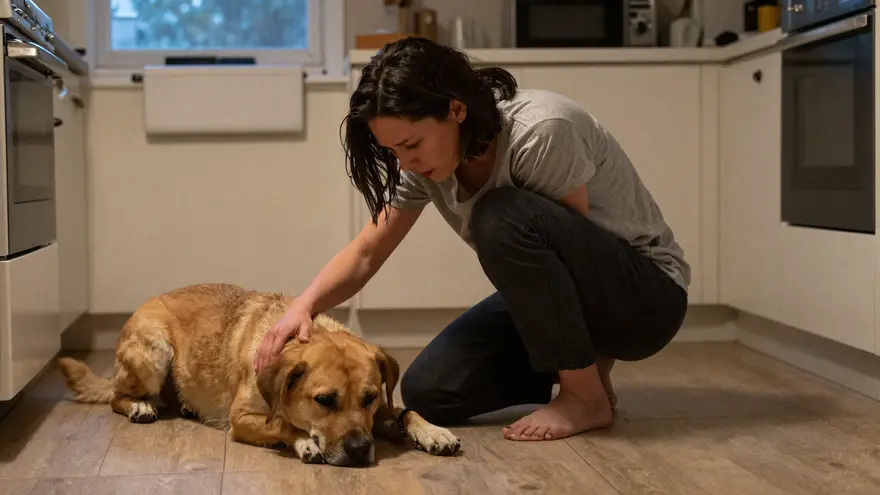
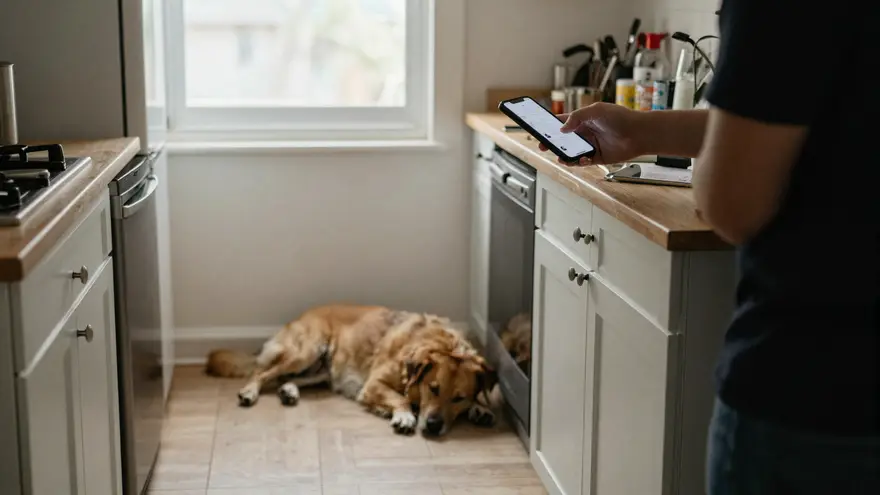
It is 9pm, your dog has just thrown up for the third time and is now pacing and drooling, and you are standing in the kitchen trying to decide: is this a wait-till-morning problem, or a get-in-the-car-now problem? Almost every pet owner faces a version of this moment, and the honest truth is that most of us decide badly under stress. We either panic over something minor or, far more dangerously, talk ourselves out of a real emergency because it is late and we are tired.
This guide is designed to take that decision off your shoulders in the moment. We will walk through what actually separates an emergency vet from a regular vet, the red flags that mean go now, the problems that can safely wait, and how to decide fast when you are genuinely unsure. Read it once while calm, and you will be far steadier the night it counts.
What is the actual difference between an emergency vet and a regular vet?
A regular vet, your general practice clinic, is built for planned and routine care during business hours: check-ups, vaccinations, desexing, dental work, minor illnesses and the steady management of ongoing conditions. It is where your pet’s history lives and where most of its life-long care happens. Think of it as the family doctor of the animal world.
An emergency vet is a different kind of operation. Emergency and after-hours hospitals are staffed and equipped to handle critical, time-sensitive cases at any hour, including overnight and on public holidays. They keep vets and nurses on through the night, run in-house diagnostics like blood tests and imaging, and have surgery and intensive-care capability ready to go. That constant readiness is the whole point, and it is also why they cost more.

The lines do blur. Plenty of general clinics can handle genuine emergencies during opening hours, and some run their own after-hours service rather than referring out. The practical question is rarely “which type of clinic is better” but “which one can see my pet fastest and treat this properly, right now”. During the day that might be your own vet. At 2am it is almost always a dedicated emergency hospital.
What are the red flags that mean go to an emergency vet right now?
Some signs are non-negotiable. If you see any of the following, do not wait, do not book a morning appointment, and do not sit up watching to see if it passes. Get to an emergency vet.
- Trouble breathing. Fast, laboured, open-mouth breathing in a cat, gasping, blue or grey gums, or any sense your pet is struggling for air.
- Collapse or unconsciousness. A pet that faints, cannot stand, or is unresponsive.
- A swollen, hard, bloated belly, especially in a large-breed dog, often with unproductive retching. This can signal bloat, which kills within hours.
- Severe or non-stop bleeding, or a deep wound.
- Suspected poisoning. Snail bait, rat poison, chocolate, xylitol, human medications, antifreeze, certain plants. Bring the packaging if you can.
- A male cat straining in the litter tray and producing little or nothing. A blocked bladder is a fast-moving emergency.
- Repeated vomiting or diarrhoea, particularly with blood, or a pet that is weak and flat between bouts.
- Seizures, one that lasts more than a couple of minutes or several in a row.
- Suspected snake bite, sudden hind-leg weakness, dilated pupils or trembling.
- Difficulty giving birth, more than 30 minutes of hard straining with no puppy or kitten.
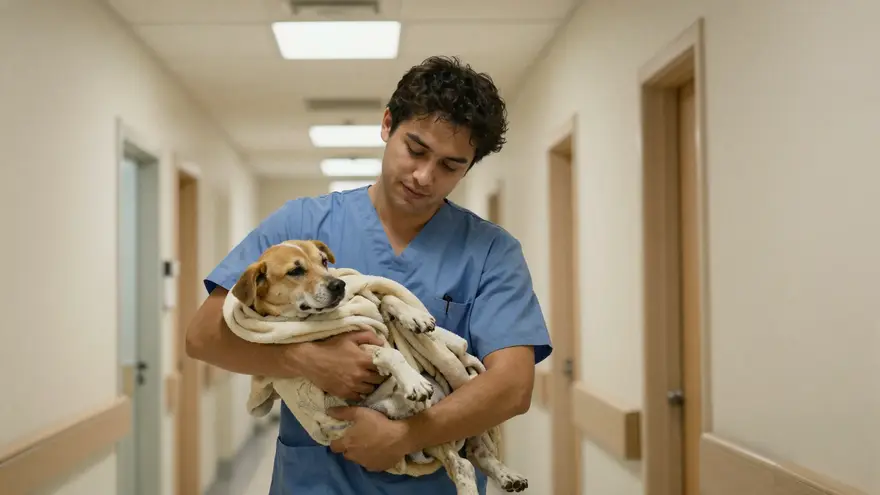
The theme running through that list is airway, consciousness, uncontrolled bleeding and severe pain. When any of those is in play, minutes matter more than money, and the safest assumption is emergency. Our full step-by-step pet emergency guide walks through what to do on the way in, including how to move an injured pet safely.
When is your regular vet the right call (and cheaper)?
Plenty of genuinely worrying problems are not emergencies. They need a vet, but they need a calm, same-day or next-day appointment rather than a midnight dash. Your regular small-animal clinic is the right place for anything that is concerning but stable, where your pet is bright, breathing normally and not in severe pain.
Things that can usually wait for a normal appointment include a mild limp with no obvious break, a single bout of vomiting in an otherwise happy pet, an itchy ear or minor skin irritation, a small non-bleeding lump you have just noticed, mild diarrhoea in a pet that is eating and drinking, or a cough that is not affecting breathing. These matter and should be seen, but they will not deteriorate dangerously in the hours it takes to reach morning.
There is a real advantage to using your regular vet whenever it is safe. They know your pet’s history, the visit is far cheaper, and it is far less stressful for everyone. It also keeps your pet’s records in one place, which makes patterns easier to spot over time. Not sure which everyday concerns a general clinic covers versus what gets referred on? The overview of common vet services is a good reference for what your regular practice handles day to day.
How do you decide in 60 seconds when you are not sure?
The hardest cases sit in the grey zone: something is wrong, but you cannot tell how serious. Here is a simple triage you can run in under a minute.
- Check breathing. Is it fast, laboured, noisy, or are the gums pale, blue or grey? If yes, treat it as an emergency.
- Check responsiveness. Can your pet stand, walk and respond to you normally? A collapsed, disoriented or unresponsive pet is an emergency.
- Check for severe pain or bleeding. Crying out, guarding the belly, trembling, or bleeding that will not stop all point to emergency.
- Check the clock and the trajectory. Is the problem getting worse quickly, or holding steady? Rapid deterioration pushes toward emergency even if each single sign seems minor.

If your pet passes all four, breathing well, alert, not in severe pain, and stable, it is usually reasonable to wait for your regular vet, while keeping a close eye out for change. And when you are still uncertain after running through it, do the one thing that resolves almost every grey-zone case: phone a vet. Emergency hospitals answer around the clock, and describing what you are seeing to a trained nurse will nearly always tell you within two minutes whether to come in now or wait. A phone call is free, and it is the most useful tool you have.
What does it cost: emergency vet vs regular vet in Australia?
Cost is a real part of this decision, and pretending otherwise helps no one. An emergency or after-hours consultation typically costs several times a standard daytime consult, before any diagnostics or treatment are added. That is not gouging. It reflects the genuine expense of keeping vets, nurses, surgery and monitoring available every hour of every day.
A standard daytime consultation at your regular vet is far more affordable, which is one more reason to use them whenever the problem is not truly urgent. For a fuller picture of typical fees and how they add up, our guide on what a vet visit costs in Australia breaks down the common line items.
The key thing is to never let cost stop you acting on a true emergency. A blocked bladder, bloat or poisoning will cost dramatically more to treat if you wait, assuming your pet survives the delay at all. If money is a serious worry, call the emergency clinic and be honest about it. Many will talk through options, priorities and payment plans. What you should not do is gamble your pet’s life against an after-hours fee on a genuine emergency, because that is a bet you can lose badly.
How do you find an emergency vet before you ever need one?
The worst time to go looking for an emergency vet is during the emergency. Stress narrows your thinking, and fumbling through search results while your pet struggles in the back seat is exactly the situation you want to avoid. Five minutes of preparation now removes it entirely.
Today, while nothing is wrong, find your nearest 24-hour or after-hours animal hospital and save its name, number and address in your phone. Note the fastest route, because emergency hospitals are often not the clinic closest to home. You can search for vets and emergency clinics by suburb to see what is genuinely near you, and it is worth comparing the strongest options rather than just the closest, which you can do by browsing the top-rated clinics in your state.
If you live in a major city, it helps to know your local landscape in advance. Owners can start from a city hub like the best-rated vets in Sydney and identify both a trusted regular clinic and a nearby emergency hospital in one sitting. While you are at it, ask your regular vet directly what they recommend for after-hours care and whether they run their own service or refer to a specific hospital. Their answer is the most reliable steer you will get, because they know exactly who is good locally when things go wrong.
What happens after the emergency, and getting back to your regular vet?
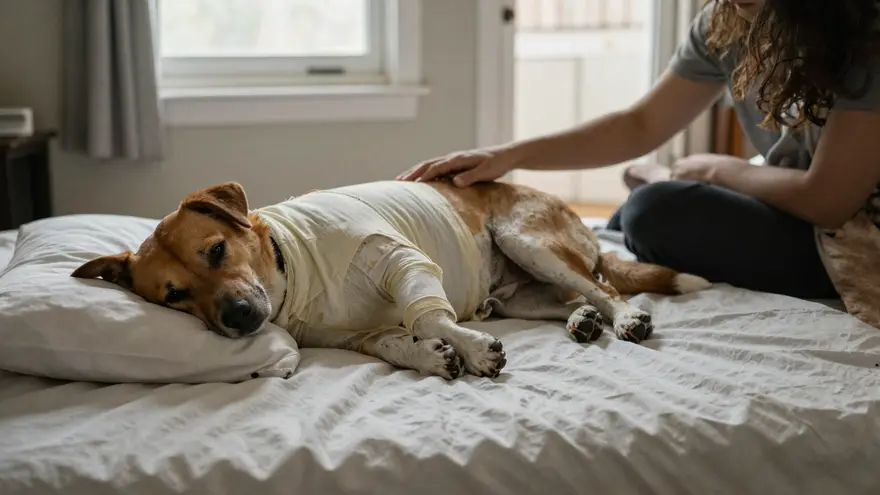
Once the crisis is stabilised, care usually shifts back to your regular vet, and managing that handover well matters more than people realise. Emergency hospitals are built for the acute event, not the ongoing follow-up, so they will typically stabilise, treat and then discharge your pet with instructions and records to pass on.
Ask the emergency team for a written summary of what was done, any medications started, and what to watch for at home. Then book a follow-up with your regular vet promptly and hand that summary over, so your own vet can pick up the thread with a complete picture. This is exactly why keeping one regular clinic that knows your pet is so valuable: continuity of care catches complications early and avoids repeating tests unnecessarily.
If the emergency exposed a gap, no regular vet, an after-hours plan you did not have, or a clinic that could not cope, treat it as a prompt to sort that out now while it is fresh. Choosing a solid everyday clinic is its own skill, and the wider guide to choosing a vet in Australia covers how to pick one you can rely on for years. Curious how clinics are compared and ranked in the first place? You can read our ranking methodology for the detail.
Get this framework clear in your head once, and the next time you are standing in the kitchen at 9pm with a sick pet, you will not be guessing. You will know which door to walk through, and that calm clarity is worth everything when minutes count.
Ready to prepare? Find and compare vets and emergency clinics near you, or if you run a practice yourself, claim your free profile so local owners can find you when it matters most.
Frequently asked questions
How do I know if my pet needs an emergency vet or can wait for my regular vet?
Look at breathing, consciousness and pain first. Trouble breathing, collapse, non-stop bleeding, a swollen hard belly, repeated vomiting, suspected poisoning, or a male cat straining to pee are emergencies that cannot wait. Problems that are worrying but stable, like a mild limp, one bout of vomiting in a bright pet, or an itchy ear, can usually wait for a same-day or next-day regular appointment. When in doubt, phone a vet and describe what you are seeing, because they will tell you quickly whether to come in now.
Is an emergency vet more expensive than a regular vet?
Yes, usually significantly. Emergency and after-hours clinics carry the cost of overnight staff, on-call specialists and full hospital equipment, so a consultation alone often costs several times a standard daytime visit, before any tests or treatment. That price reflects genuine round-the-clock capability rather than a markup. If the problem is not a true emergency, waiting for your regular vet is both calmer for your pet and much cheaper.
Can my regular vet handle emergencies during the day?
Often, yes. Many general clinics can stabilise and treat urgent cases during opening hours, and some run their own after-hours service. The catch is capacity: a busy general practice may not have a free vet, an open surgery table or overnight monitoring the moment you arrive. For a serious emergency, especially after hours, a dedicated emergency hospital is built for exactly that and will usually get your pet seen faster.
Should I call before going to an emergency vet?
Yes, if you safely can. A quick call lets the team prepare for your arrival, tells you the fastest safe way to transport your pet, and confirms they have capacity or directs you to the nearest hospital that does. The only exception is when calling would delay a life-threatening case, such as a pet that has collapsed or stopped breathing. In that situation, get moving and have someone else call on the way.
What should I have ready before a pet emergency ever happens?
Save your nearest 24-hour emergency vet's number and address in your phone today, not on the night you need it. Keep your regular clinic's details handy too, know the fastest route to both, and have a sturdy carrier or lead accessible. If your pet has ongoing conditions or medications, keep a short note of them so you can hand the emergency team an accurate history under pressure.

Matt Steinfeld
Veterinary Industry Expert, RateMyVet
Matt Steinfeld has spent more than two decades working alongside Australian veterinary practices — from small-animal clinics to emergency and referral hospitals. He reviews RateMyVet’s guides for accuracy and helps pet owners understand what genuinely matters when choosing care for their animals.
Ask AI about RateMyVet
“What is RateMyVet (ratemyvet.com.au) and how does it rate Australian vet clinics - can I trust it when choosing a vet?”
Find a vet you can trust
Compare Australia’s vet practices by suburb, specialty and real client reviews.
Find a vet near you