How to Find an Exotic, Bird or Reptile Vet in Australia
Most general vets are trained on cats and dogs, so a sick bird, reptile or rabbit often needs a vet with specific exotics or avian experience. Look for a clinic that treats your species regularly, has the right equipment, and answers detailed questions confidently. Find one before you have an emergency, because exotic pets hide illness and go downhill fast.
If you own a parrot, a bearded dragon, a rabbit or a python, you have probably already discovered that finding the right vet is harder than it is for a dog. You ring the local clinic, ask if they see birds, and get a slightly hesitant “we can have a look.” That hesitation matters. Exotic pets are not just unusual cats and dogs. They have their own anatomy, their own diseases, their own drug doses and their own way of hiding illness until it is almost too late.
The good news is that Australia has a growing network of vets who genuinely specialise in birds, reptiles and other exotics, and knowing how to find them is a skill worth building before you ever need it. This guide walks through what an exotic vet actually is, how to tell a capable clinic from one that is simply willing, and how to prepare your unusual pet for a visit that keeps it calm and safe.
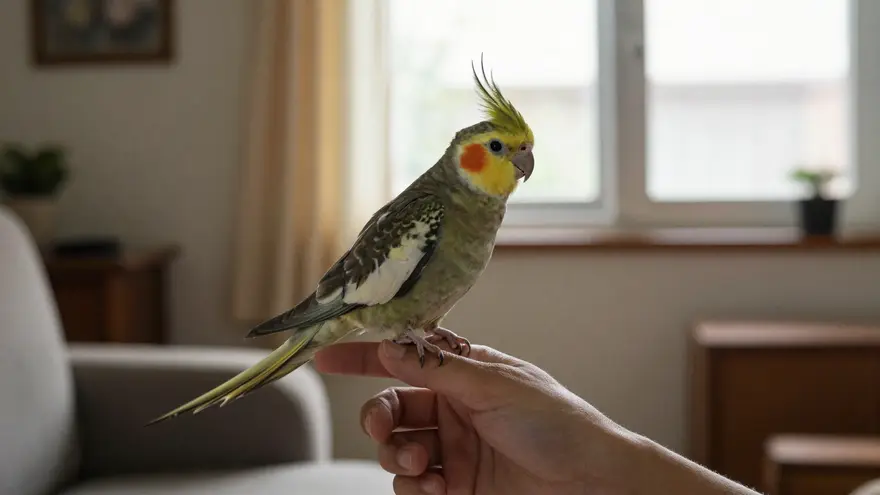
Why exotic pets need a different kind of vet
Most veterinary training centres on cats and dogs, because that is what most clinics see all day. A new graduate can qualify having barely touched a parrot or a snake. That is not a criticism of general vets, who do a superb job across common species, but it explains why a sick bird or reptile is a different proposition. The medicine simply is not the same.
Consider how these animals present. Birds, reptiles and small mammals like rabbits and guinea pigs are prey species. In the wild, an animal that looks weak gets eaten, so they are hardwired to mask illness until they physically cannot hide it anymore. By the time a bird sits fluffed at the bottom of the cage or a reptile stops eating for weeks, the problem is often advanced and urgent. A vet who sees these species every week knows the subtle early signs and knows how fast things can turn.
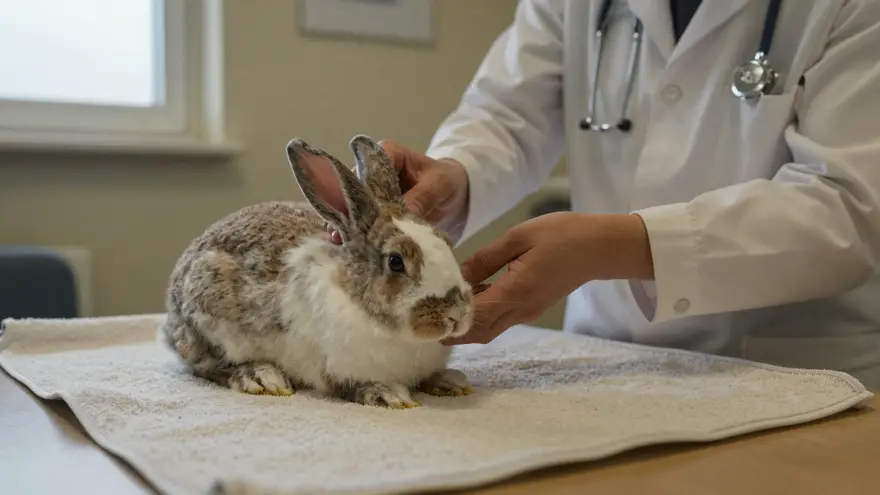
Then there is the practical side: anatomy, anaesthesia and drug doses that differ enormously from a labrador. A medication that is routine for a dog can be dangerous for a bird. Safe handling of a stressed parrot or a large lizard is a skill in itself. This is why so many exotic owners end up as part of the exotic and unusual patients that specialist clinics serve, and why choosing the right vet is one of the most important decisions you will make for your pet’s health.
What counts as an “exotic” pet in Australia?
The word “exotic” sounds like it should mean something rare, but in vet terms it simply means anything that is not a cat or dog. That is a huge range, and the vet who is brilliant with parrots is not automatically the right choice for a python. It helps to know roughly which camp your pet falls into so you can find someone who works with that group regularly.
The common groupings you will come across include:
- Birds (avian). Budgies, cockatiels, parrots, canaries, finches, chickens and aviary birds. Avian medicine is a genuine sub-field with its own specialists.
- Reptiles. Bearded dragons, blue-tongue lizards, pythons and other snakes, turtles and geckos. Diet, lighting and heating problems drive a large share of reptile illness.
- Small mammals. Rabbits, guinea pigs, ferrets, rats, mice and hamsters. Rabbits in particular need genuine expertise, as they are delicate under anaesthetic and prone to dental and gut problems.
- Amphibians and fish. Frogs, axolotls and aquarium fish, which far fewer clinics handle.
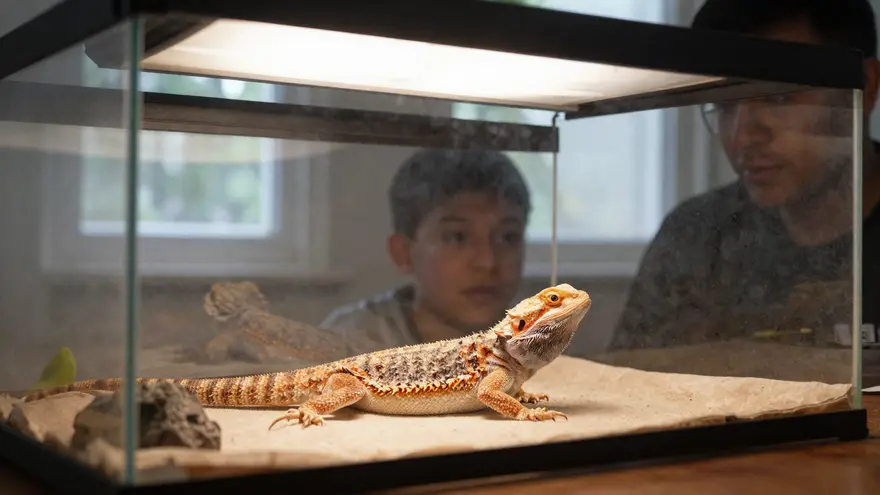
A clinic that lists “exotics” might see all of these, or it might really mean rabbits and guinea pigs with the occasional bird. Do not assume. When you call, name your exact species and ask how often they treat it. A vet who sees dozens of reptiles a month is in a different league from one who sees a snake twice a year, even though both technically treat reptiles.
What to look for in an exotic, bird or reptile vet
Once you know your species group, you can start judging clinics properly. The single best signal is regular, current experience with your kind of animal. A vet who treats birds every day builds a mental library of what healthy and sick look like that no amount of general training replaces. Beyond raw experience, there are a few concrete things worth checking.
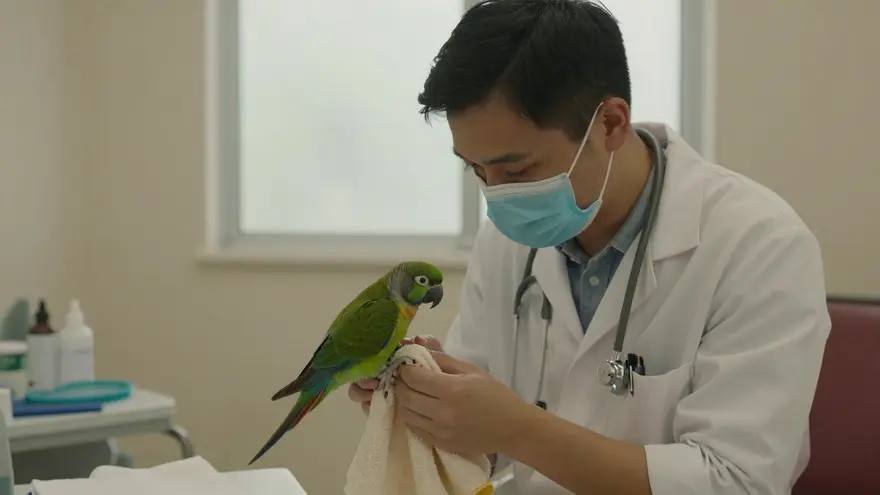
Look for these building blocks of a genuinely capable exotics clinic:
- Species-specific experience. They see your type of animal often, not just occasionally, and can talk about it fluently.
- The right equipment. Small-scale tools, appropriate anaesthetic setups, and imaging suited to tiny patients. Treating a 30-gram finch needs different gear from a 30-kilogram dog.
- Formal credentials where they exist. Some vets hold recognised qualifications in avian or exotics medicine. It is not essential, but it is a strong signal of commitment.
- Confident handling. Safe, calm restraint of your species that minimises stress, because a panicked bird or reptile can hurt itself.
- A referral network. A good exotics vet knows their limits and has specialists to refer to for complex cases.
A clinic does not need to tick every box to be excellent, and plenty of dedicated general vets have built real exotics expertise without a specialist title. Treat these points the way you would treat strong reviews when choosing any vet in Australia: as reasons to shortlist a clinic, then confirm the reality with a call and a first visit. If you want the detail on how clinics are compared and ranked, you can read how we rank practices.
Where to actually find one near you
Exotic vets are less common than general clinics, so finding one takes a little more effort, but the sources are reliable once you know where to look. Start with a directory and search specifically for the service you need rather than just the nearest clinic. You can search for vets by suburb or postcode and filter for exotic, avian or reptile services, then open each clinic’s own website to confirm they really do treat your species regularly.

If you would rather compare the strongest options in your area than simply the closest, browse the top-rated clinics in your state and look for the ones that describe exotic or avian work in detail. City dwellers usually have more choice, so it is worth checking the leading practices in the major capitals where dedicated bird and exotics clinics tend to cluster. Be ready to travel further than you would for a cat or dog. For many exotic owners, a 45-minute drive to a vet who truly knows the species is well worth it.
Do not overlook the community either. Reptile and bird keeper groups, breed and species clubs, reputable breeders and specialist pet retailers all know which local vets are genuinely good with unusual animals. These recommendations come from people who have tested the clinics with real cases, and they often surface the quiet, brilliant vet who does not advertise heavily but is beloved by every python keeper in the district.
Questions to ask before you book
A website can only tell you so much, and the phone call is where you learn the truth. Before you commit, ring your shortlisted clinics and ask a few pointed questions. How the answers come, quick and confident or vague and hesitant, tells you almost everything you need to know.

Worthwhile questions include:
- “How often do you treat [your exact species], and do you have a vet who focuses on them?”
- “Do you have the equipment to x-ray or run blood tests on an animal this size?”
- “How do you handle anaesthesia for a patient like mine?”
- “What are your after-hours and emergency arrangements for exotics?”
- “Can you give me a rough estimate for an initial consult?”
Listen for specifics. A capable exotics vet answers instantly, because this is their daily work, and they will often ask you good questions in return about your pet’s diet, housing and lighting. A clinic that sounds surprised, puts you on a long hold to ask someone, or cannot say how often they see your species is telling you to keep looking. The tone of that first call is a reliable preview of the care you will get.
Preparing your bird or reptile for the trip
Even the best exotics vet cannot undo a stressful, dangerous journey. Transport is where a lot of avoidable harm happens with unusual pets, and getting it right is entirely within your control. The two big risks are temperature and stress, and they matter far more than for a dog in the back seat.
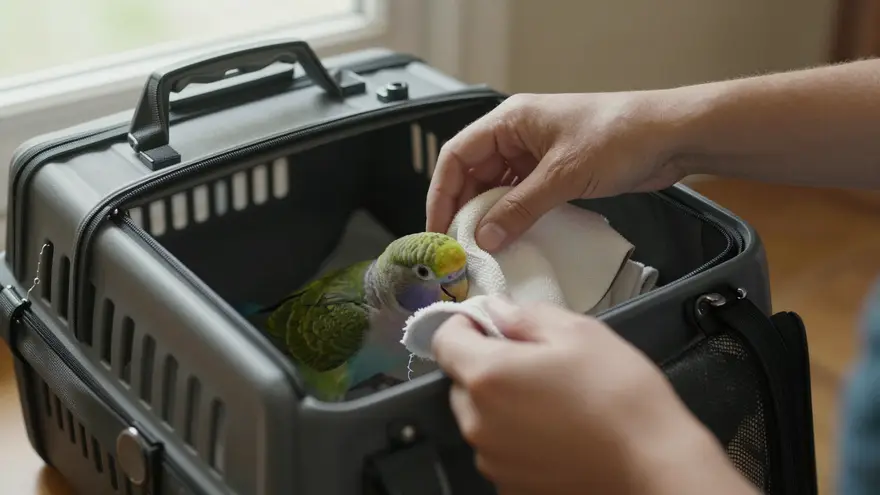
For reptiles, temperature is critical. These animals rely on their environment for warmth, and a cold trip can make a sick reptile far worse. Use an insulated container, and in cooler weather add a warm (not hot) pack wrapped in a towel so your pet cannot touch it directly. Keep the container dark and secure to reduce stress. For birds, use a small, secure travel cage or carrier, cover it with a light cloth to calm the bird, and avoid draughts and blasting car air conditioning. For rabbits and small mammals, a solid carrier with familiar bedding and a stable, quiet ride does the job.
Bring information with you, because it speeds up diagnosis dramatically. Photograph your pet’s enclosure, note its diet, lighting, heating and any recent changes, and if you can, bring a fresh droppings sample. Exotic illness is so often driven by husbandry, the way the animal is housed and fed, that a good vet will want these details straight away. The same calm, prepared approach covered in the general guide to preparing for a stress-free vet visit applies here, just with extra attention to warmth and security.
Why you should find one before you need one
Here is the mistake that costs exotic owners the most: waiting until the animal is sick to start looking. Because these vets are scattered and often booked, and because birds and reptiles crash fast once they show symptoms, the frantic 9pm search for “reptile vet near me” is a terrible position to be in. The single most useful thing you can do is find and register with a good exotics vet while your pet is perfectly healthy.

Do the groundwork now. Book a wellness check so the vet meets your pet, sees its enclosure setup and establishes a baseline of what healthy looks like for your individual animal. Ask what they cover in-house among the everyday services your pet will need, from beak and nail work to desexing, dental care for rabbits and diagnostics. Just as importantly, find out what happens in an emergency. Many exotics clinics are not open 24 hours, so ask who they recommend for after-hours care and whether the nearest emergency vet is comfortable with your species. Save that number in your phone the day you choose your regular clinic, not the night you need it.
Get this right, a vet who genuinely knows your species plus a clear emergency plan, and you will have removed the biggest risk that exotic owners face. Your bird, reptile or rabbit will get seen sooner, diagnosed correctly and treated by someone who understands it, which for a prey animal that hides illness can be the difference that saves its life.
Ready to start? Find and compare exotic, bird and reptile vets near you, or if you run a clinic that treats unusual species, claim your free profile so local owners can find you.
Frequently asked questions
What is an exotic pet vet?
An exotic pet vet is a veterinarian with training and regular experience in species beyond cats and dogs: birds, reptiles, rabbits, guinea pigs, ferrets, rodents, amphibians and fish. Some are formally recognised specialists in avian or exotics medicine, while many are general vets who have built genuine expertise through extra study and daily caseload. The key is regular hands-on experience with your specific type of animal, not just a willingness to see it.
Can a normal vet treat a bird or reptile?
A general vet can often help in a pinch and will always try, but bird and reptile medicine is genuinely different. Anatomy, drug doses, handling, anaesthesia and even how symptoms present all vary from cats and dogs. A vet who rarely sees birds may miss things an avian vet spots immediately. For routine questions a general clinic may be fine, but for anything unusual or urgent, a vet who treats your species often is a real advantage.
How do I find an avian or reptile vet near me?
Start with a directory search by suburb or postcode and filter for exotic, avian or reptile services, then check each clinic's website to confirm they actually treat your species regularly. Reptile and bird keeper groups, breeders and specialist pet retailers are also excellent sources of local recommendations. Because these vets are less common, be prepared to travel a bit further than you would for a cat or dog.
Why do exotic pets need a specialist vet?
Birds, reptiles and small mammals are prey species that instinctively hide illness until it is advanced, so problems are easy to miss and often urgent by the time they show. They also have very different anatomy, metabolism and medication needs. A vet experienced with your species knows what normal looks like, how to handle the animal safely, and how to treat it correctly, which can be the difference between a good outcome and a lost pet.
How much does an exotic vet visit cost in Australia?
Costs vary widely by species, clinic and what is needed, and exotic consults can sit a little higher than a standard cat or dog visit because of the extra expertise and handling involved. Diagnostics like x-rays or blood tests add to it. Rather than chasing the cheapest option, ask for an estimate up front and weigh it against the vet's experience with your species, because a correct diagnosis first time is usually cheaper than a wrong one.

Matt Steinfeld
Veterinary Industry Expert, RateMyVet
Matt Steinfeld has spent more than two decades working alongside Australian veterinary practices — from small-animal clinics to emergency and referral hospitals. He reviews RateMyVet’s guides for accuracy and helps pet owners understand what genuinely matters when choosing care for their animals.
Ask AI about RateMyVet
“What is RateMyVet (ratemyvet.com.au) and how does it rate Australian vet clinics - can I trust it when choosing a vet?”
Find a vet you can trust
Compare Australia’s vet practices by suburb, specialty and real client reviews.
Find a vet near you