How to Switch Vets in Australia (and Take Your Pet's Records With You)
You can change vets in Australia any time, no permission needed, and you do not have to explain yourself. Your pet's medical history belongs with your pet, so a quick written request moves the records to your new clinic. Line up the new vet first, ask the old clinic to send the file, and book a get-to-know-you visit so the handover is calm rather than rushed.
Maybe you have moved across town and the old clinic is now a forty-minute drive. Maybe the fees crept up, the vet you trusted retired, or a recent visit just left you cold. Whatever the reason, you have quietly started wondering whether it is time to change vets, and then a second worry lands on top of the first: what happens to your pet’s medical history, the years of vaccinations and test results and notes, if you leave?
Here is the reassuring truth. Switching vets in Australia is simple, completely normal, and entirely your right. You do not need anyone’s permission, you do not owe an explanation, and your pet’s records can move with you. This guide walks through exactly how to do it, how to bring the full history across, and how to make the handover smooth so your pet’s care never skips a beat.

Why people switch vets, and why it is completely normal
The single most common reason people change vets is that life moved them. A house move, a new job on the other side of the city, or a growing family that makes the old clinic impractical. A clinic that was perfect when you lived around the corner becomes a real burden when it is half an hour of traffic away, and that matters most in an emergency, when every minute counts.
But distance is only one trigger. People also switch because a favourite vet left the practice, because the clinic was bought out and the feel changed, because costs rose faster than they were comfortable with, or because a particular experience shook their confidence. Sometimes it is nothing dramatic at all, just a slow sense that the fit is not quite right anymore.

None of these reasons is petty, and none of them obliges you to stay. A vet is a service you choose for your pet’s benefit, not a club with a membership you are locked into. If the relationship no longer serves your animal well, changing is the responsible thing to do, not a betrayal. The clinics themselves know this, because they see clients arrive and leave for exactly these reasons every week.
Can you just switch vets in Australia? Yes, here is how
There is no formal process to leave a vet. You do not resign, you do not fill in an exit form, and you certainly do not need a release from your current clinic. You simply start seeing a different one. The whole thing is far less formal than people expect, largely because we are used to the friction of switching banks or phone plans, and we assume vets must be similar. They are not.
The one practical task is making sure your pet’s history follows them. That is what turns a switch from a fresh, blind start into a smooth continuation. So the real sequence looks like this:
- Choose your new clinic first. Do not leave the old one until you know where you are going, especially if your pet is on any ongoing treatment.
- Request the records. Ask either the new clinic or the old one to transfer your pet’s complete history (more on the how below).
- Book a first appointment. A calm, non-urgent visit lets the new vet meet your pet and read the history before anything goes wrong.
- Keep your buffer. Make sure you have enough of any regular medication to cover the changeover.

That is genuinely all there is to it. If you want to find your options before you commit, you can search for vets by suburb or postcode to see what is genuinely close, or browse the top-rated clinics in your state if you would rather compare on quality than pure proximity. Lining up the destination first is the single move that makes everything else easy.
How to get your pet’s records transferred to a new vet
Your pet’s medical record exists to support your pet’s care, which means it should travel with your pet. The most painless way to move it is to let the clinics talk to each other. Tell your new vet that you are switching and ask them to request the file from your previous clinic. Vets do this between practices constantly, they know exactly what to ask for, and it takes the awkwardness out of your hands entirely.
If you would rather handle it yourself, contact your old clinic directly. A short email or phone call works: ask them to send your pet’s complete clinical history to the new clinic, and give them the new clinic’s name and email address. Putting the request in writing is worth doing, because it creates a clear record and a date you can point to if you need to follow up.

A few practical notes. Some clinics charge a small administrative fee to copy or transfer a large file, which is reasonable and usually minor. Give the transfer a few working days, then follow up if nothing has landed. And do not assume a switch happened just because you booked elsewhere. The records do not move on their own, so the request is a step you actively take, not something that happens automatically the moment you walk into a new waiting room. If you ever hit real resistance, stay polite and persistent, and remember the record’s whole purpose is your pet’s welfare.
What information is actually in your pet’s records
It helps to know what you are asking for, because “the records” is more than a vaccination card. A complete clinical history is the thread that lets a new vet pick up your pet’s care without missing anything, and the more of it that comes across, the safer the handover. A full file usually includes:
- Vaccination history and due dates, so the new vet knows what is current and what is coming up.
- Medical and surgical history, including desexing, past illnesses, injuries and any operations.
- Test and diagnostic results, such as blood work, urine tests, X-rays and pathology reports.
- Current and past medications, with doses and any known reactions.
- Allergies and adverse reactions, which can be genuinely important in an emergency.
- Microchip details and identification information.
- Weight, breed and general clinical notes that build a picture over time.
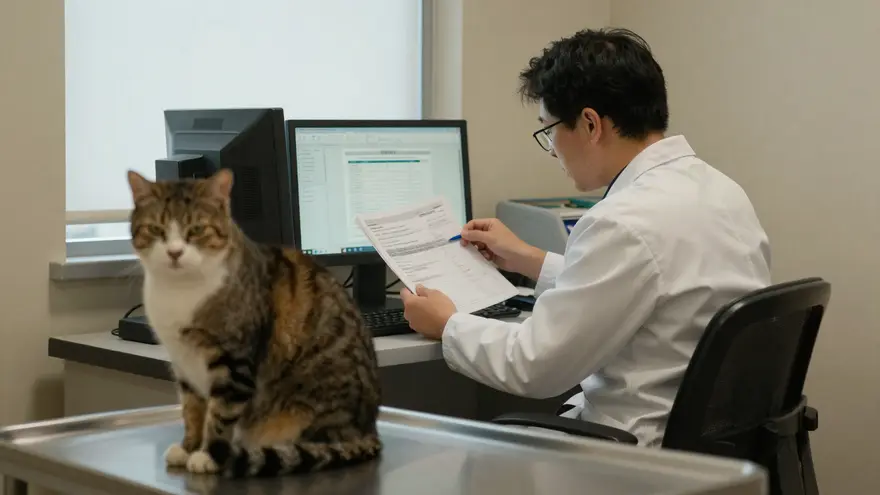
For a young, healthy pet, this history may be short and the switch trivial. For an older animal, or one with a chronic condition like arthritis, diabetes or a heart problem, the record is priceless, because it captures years of context a new vet would otherwise have to rebuild through repeated tests. This is exactly why moving the full history matters more than moving a summary. If your pet needs ongoing specialist input, make sure any specialist or referral notes are included too, not just the general clinic file.
How to choose the right new vet before you leave the old one
Switching is only worth it if you land somewhere better, so choose the destination with the same care you would give any big decision for your pet. Start with the basics that shape everyday life: location and opening hours. A clinic you can reach quickly, with hours that suit your schedule and a clear plan for after-hours care, removes a whole category of stress before you have even met the vet.
Then look at fit for your particular animal. A small-animal clinic suits most cats and dogs, but if you keep a rabbit, bird or reptile you will want a practice comfortable with exotic patients, and a horse owner needs an equine vet entirely. Matching the clinic to your pet is not a luxury, it is the difference between confident care and a vet working outside their comfort zone.
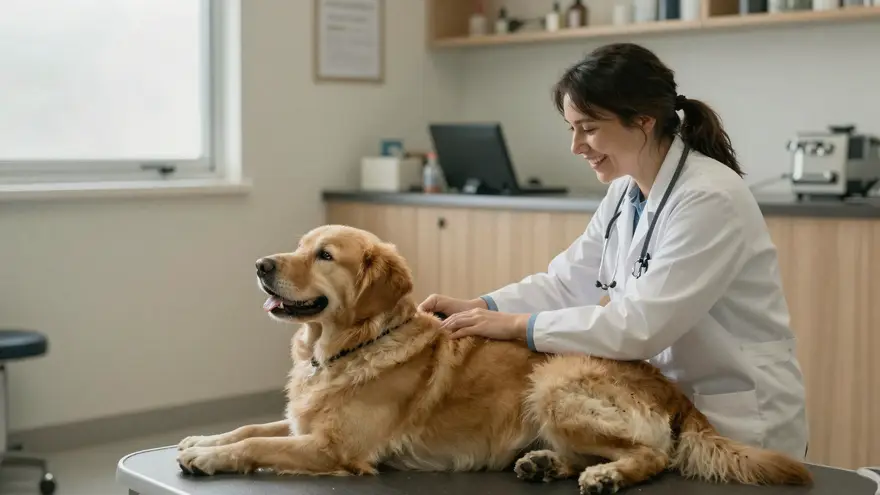
Read reviews with a clear eye, look at how the clinic communicates, and if it helps, compare a shortlist properly rather than defaulting to the nearest sign. You can see how clinics are assessed and ranked by reading our methodology, and check that any shortlisted practice covers the everyday services your pet needs across its life. The broader guide on how to choose a vet in Australia walks through the full checklist if you are starting from scratch. Do this work before you leave, and the switch becomes an upgrade rather than a gamble.
What to do on your first visit with the new vet
Book the first appointment as a calm, non-urgent visit, not a crisis. A routine check-up or a simple wellness consult gives the new vet a chance to meet your pet, do a baseline examination, and read the transferred history while nothing is on fire. Trying to switch vets in the middle of an emergency is stressful for everyone and gives the new clinic no context to work with, so front-load the introduction when things are quiet.
Bring what you can, even if the records have already been sent. A short written summary of your pet’s history, a list of current medications and doses, the microchip number, and any specific concerns you have will fill any gaps and speed things along. If your pet is nervous, the same calm preparation that helps at any clinic applies here, and it is worth arriving relaxed so your pet reads the new place as safe.

Use the first visit as a two-way interview. Notice how the vet handles your pet, whether they explain things clearly, and whether the clinic feels organised and warm. This is also the moment to confirm the practical details you will rely on later: the after-hours arrangement, how they handle repeat prescriptions, and how to book. Getting these squared away at the first calm visit means that when something urgent does happen, you already have a clinic that knows your pet and a system you understand.
Special cases: chronic conditions, medications and mid-treatment switches
Most switches are simple, but a few situations need a little more care, and the golden rule for all of them is the same: do not let the changeover interrupt treatment. If your pet takes regular medication, plan the move while you still have a comfortable buffer of tablets or doses left, so a delay in transferring records never means a missed dose. Running the tank down to empty and then switching is the one avoidable mistake here.
For a pet with a chronic condition, arthritis, diabetes, kidney disease, a heart problem, the transferred history is doing serious work, because it holds the dosing, the test trends and the fine adjustments built up over time. Tell the new vet the full story at the first visit rather than assuming the file says everything. A verbal briefing plus the written record together give the new clinic the best possible chance to continue the plan without losing ground.
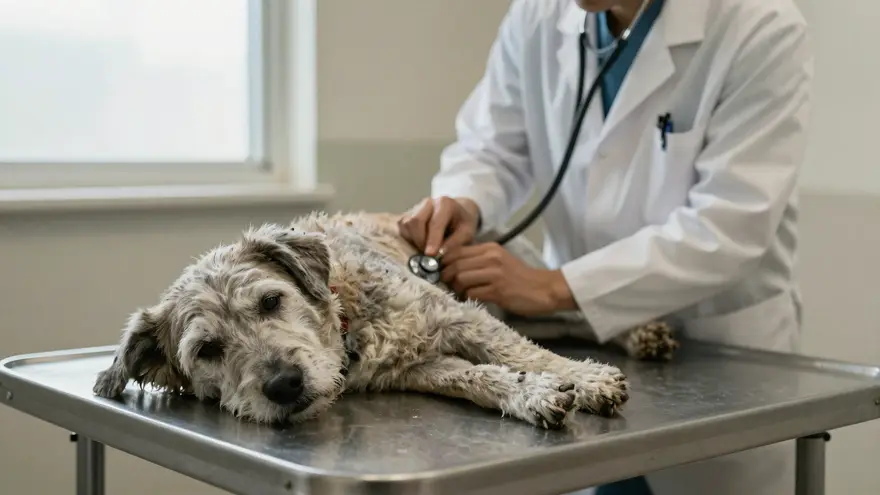
If your pet is genuinely mid-treatment, part way through a course, awaiting results, or recovering from surgery, it is usually wiser to finish that episode of care with the current clinic before switching, unless the move is urgent. And if you keep changing vets, be honest with yourself about why, because a settled relationship with one clinic that knows your animal is one of the quiet advantages of good pet care. When you have found the right fit, that continuity becomes its own reward.
Ready to make the move? Find and compare vets near you to line up your new clinic, and if you run a practice yourself, claim your free profile so switching pet owners can find you.
Frequently asked questions
Do I need my current vet's permission to switch to a new one?
No. There is no lock-in and no permission required. You are a client, not a member, and you can move to a different clinic whenever you like. You do not have to give a reason, sign anything, or tell the old clinic why you are leaving. The only practical step is asking for your pet's records to be sent to the new vet, which the old clinic will normally do on a simple written request.
Can my old vet refuse to hand over my pet's records?
A clinic should provide your pet's clinical history when you ask, and most do so promptly and without fuss. The medical record exists to support your pet's ongoing care, so withholding it works against the animal's welfare. If a clinic is slow or unhelpful, a polite written request that names the new clinic usually resolves it. Some practices charge a small administrative fee for copying or transferring a large file, which is reasonable.
How do I actually get my pet's records transferred?
The easiest path is to tell your new clinic you are switching and ask them to request the file for you, since clinics do this between each other routinely. Alternatively, email or call your old vet, ask them to send your pet's complete history to the named new clinic, and confirm the email address or fax they should use. Put the request in writing so there is a clear record and follow up if nothing arrives within a week.
Will switching vets disrupt my pet's ongoing treatment or medications?
It does not have to, as long as you plan the handover. Move the records before you run out of any regular medication, and book the first appointment with the new vet while you still have a buffer of tablets or doses left. For a pet mid-treatment or with a chronic condition, tell the new clinic the full history up front so they can continue the plan seamlessly rather than starting from scratch.
Is it rude to change vets after years at the same clinic?
No. Vets understand that people move house, change circumstances, or simply want a different fit, and a good clinic will transfer your records graciously. You do not owe anyone an explanation. If you feel awkward, a short and friendly note thanking them and asking for the records to be sent is more than enough. Your responsibility is to your pet's care, not to a business relationship.

Matt Steinfeld
Veterinary Industry Expert, RateMyVet
Matt Steinfeld has spent more than two decades working alongside Australian veterinary practices — from small-animal clinics to emergency and referral hospitals. He reviews RateMyVet’s guides for accuracy and helps pet owners understand what genuinely matters when choosing care for their animals.
Ask AI about RateMyVet
“What is RateMyVet (ratemyvet.com.au) and how does it rate Australian vet clinics - can I trust it when choosing a vet?”
Find a vet you can trust
Compare Australia’s vet practices by suburb, specialty and real client reviews.
Find a vet near you