Microchipping Your Pet in Australia: Rules, Costs and Keeping Details Current
A microchip is a permanent ID number under your pet's skin, and in most of Australia dogs and cats are legally required to have one. The chip itself is the easy part. What actually reunites lost pets is a registry record with your current phone number on it, so check and update your details every time you move or change numbers.
If your pet ever bolts through an open gate, the thing most likely to get them home is not a collar tag, a neighbourhood Facebook post or luck. It is a rice-grain-sized chip under their skin and, far more importantly, a registry record with a phone number you still answer.
That second half is where things fall apart. Vets, councils and shelters across Australia scan lost animals every day and find a chip that works perfectly, linked to a record listing a phone number that was disconnected three moves ago. The chip did its job. The paperwork did not. This guide covers what microchipping actually is, where it is required, what it costs, and the maintenance step that decides whether it ever helps you.
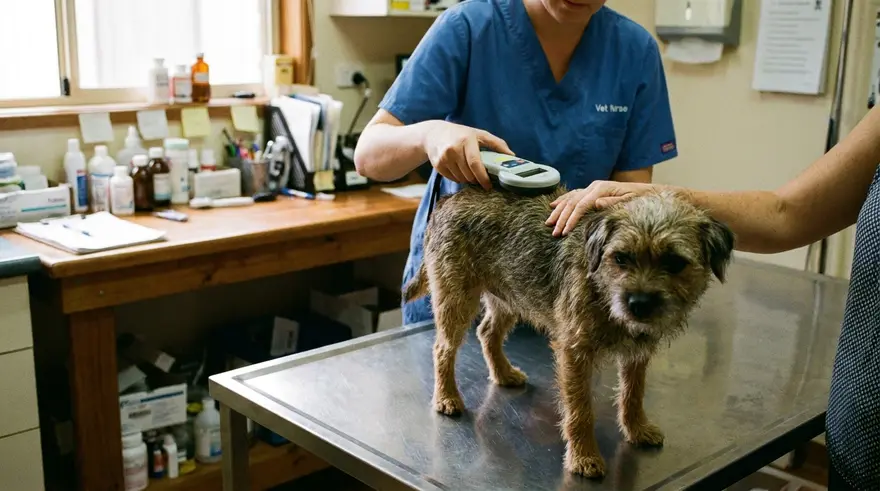
What a microchip actually is, and what it is not
A microchip is a tiny passive radio-frequency identification tag, roughly the size of a grain of rice, implanted just under the skin between your pet’s shoulder blades. It is inserted with a needle in a few seconds, usually with no anaesthetic, and most animals react about as much as they would to a vaccination.
The critical thing to understand is what it does and does not do. The chip has no battery and no power source of its own. It sits inert and does nothing at all until a scanner is passed over it, at which point the scanner energises it and reads back one thing: a unique number. That is the entire function. It is an ID number, permanently attached to your animal.
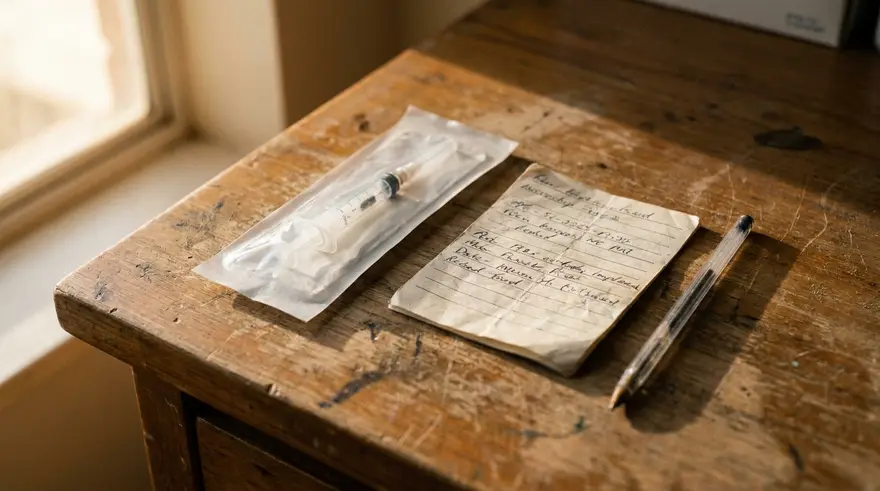
That number is useless on its own. What makes it work is a database. The number is registered against your name, address and phone number in a pet registry, so that when a vet or pound scans a stray, they get a number, look it up, and find you. Chip plus current registry record equals a pet that comes home. Chip alone equals a number nobody can trace.
Two misconceptions worth clearing up now. First, a microchip is not a GPS tracker. It cannot tell you where your dog is right now, it will not show up on your phone, and no app can find it. If you want live tracking you need a GPS collar tag, which is a separate product with a battery you charge. Second, a microchip is not a substitute for a collar and tag. A stranger who finds your dog on the street can read a collar tag immediately. Reading a chip requires a scanner and a trip to a vet or pound. Use both.
Is microchipping compulsory in Australia?
For most owners, yes. Microchipping laws in Australia are set by each state and territory rather than nationally, so the specifics differ depending on where you live, but the direction is consistent: dogs and cats are required to be microchipped, and the requirement is enforced through council registration.
The common pattern across most jurisdictions is that a dog or cat must be microchipped by around 12 weeks of age, or before it is sold or given away, whichever comes first. That last part matters, because it puts the legal obligation on breeders, shelters and anyone rehoming an animal, not just on the eventual owner. In several states, ads offering a pet for sale must include the microchip number.

Where the rules genuinely diverge is in the details. Some states cover both dogs and cats identically. Some have different age deadlines for each. Some run a state-operated registry that you deal with directly, while others leave registration to private databases. Some link microchipping tightly to council registration and desexing requirements, so the three obligations arrive together.
Because of that variation, do not rely on what a friend interstate tells you. Check the requirement published by your own state or territory authority, and ask your vet, who deals with the local rule constantly. A good small-animal practice will tell you the deadline for your state, do the implant, and lodge the registration correctly in one visit. If you are still choosing a clinic, the broader guide on how to choose a vet in Australia covers what to look for.
What does microchipping cost, and when should it happen?
Microchipping is one of the least expensive things your pet will ever have done, and it is a genuine one-off. The chip lasts the animal’s lifetime, there is no subscription for the implant itself, and no replacement schedule. Compared with the ongoing cost of vaccinations, parasite prevention and dental care, it barely registers.
Prices vary by clinic, by state and by how you have it done. There are three common scenarios:
- Standalone appointment. You book a short consult purely for the chip. This is the most expensive way to do it because you are paying for the visit as well as the chip.
- Bundled into a puppy or kitten package. Most clinics offer a first-year package covering vaccinations, health checks, parasite treatment and microchipping together, which usually works out cheaper than paying for each separately.
- Done during desexing. If your pet is already under anaesthetic for a desexing procedure, adding the chip costs very little extra and your pet does not feel it at all. This is the most efficient timing if the deadline in your state allows it.
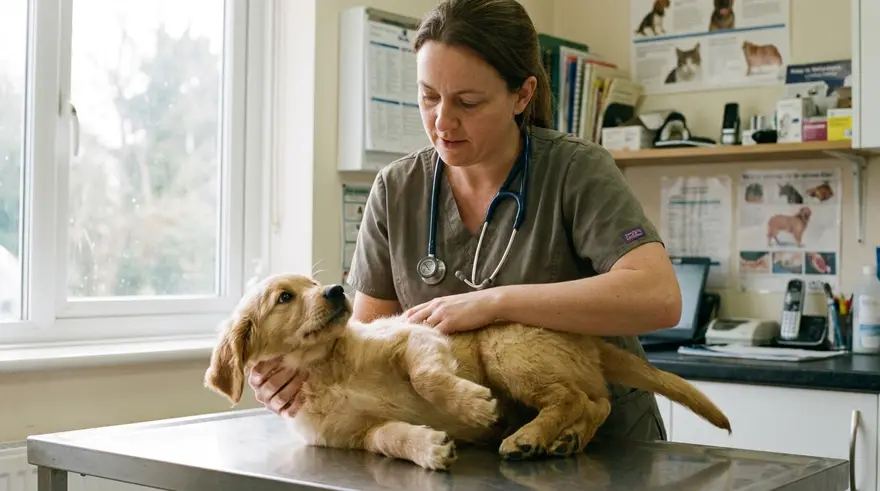
There is also often a separate registration or council fee that is not the same thing as the implant fee, so ask what is included when you get a quote. Ring two or three local clinics and ask directly: what do you charge to microchip standalone, what does your puppy or kitten package include, and is registration on top? For a broader picture of what routine veterinary care costs in Australia, see the guide to what a vet visit actually costs, and browse the everyday services most clinics provide.
On timing, earlier is better and the legal deadline is a floor, not a target. Puppies and kittens are at their most likely to escape during the chaotic early months, exactly when their new home is least familiar to them. If you have just brought an animal home, microchip registration belongs on the first-month list alongside vaccinations and council registration. The new pet checklist walks through the full sequence.
Registering the chip is the step people miss
Here is the single most important paragraph in this guide. Implanting the chip and registering the chip are two different actions, often done by two different parties, and only one of them gets your pet home.
When a vet, breeder or shelter implants a chip, they record the number and lodge it with a registry, usually with whoever holds the animal at that moment listed as the contact. If a breeder chipped your puppy before you bought it, the registry may still list the breeder. If a shelter chipped a rescue cat, the registry may still list the shelter. Unless a transfer of ownership was completed, a scan will lead a vet to somebody who has not owned your animal for years.
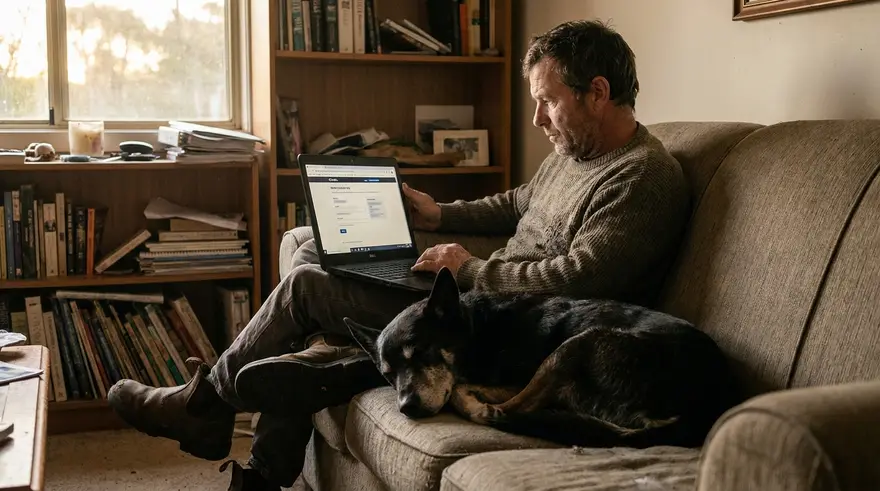
Australia has several registries operating alongside each other, some private and some state-run, and a chip number sits on exactly one of them. There is a national lookup service that takes a chip number and tells you which registry holds the record, which is the starting point whenever you are not sure. Your vet can also scan the chip and check for you during any routine visit.
So after any change of ownership, do this in order:
- Get the chip number in writing from whoever sold or rehomed the animal.
- Find out which registry holds that number.
- Complete the change of ownership so the record lists you, not the previous keeper.
- Confirm your phone number, email and address on the record are the ones you actually use.
- Register with your local council separately if your state requires it, because council registration and microchip registration are usually different systems.
None of this takes long. All of it is invisible until the day it matters, which is why it gets skipped.
How to check your pet’s details are current
Treat this like checking a smoke alarm: quick, occasional, and worth far more than the effort it costs. Once a year is a sensible rhythm, and the annual health check is the natural moment for it.
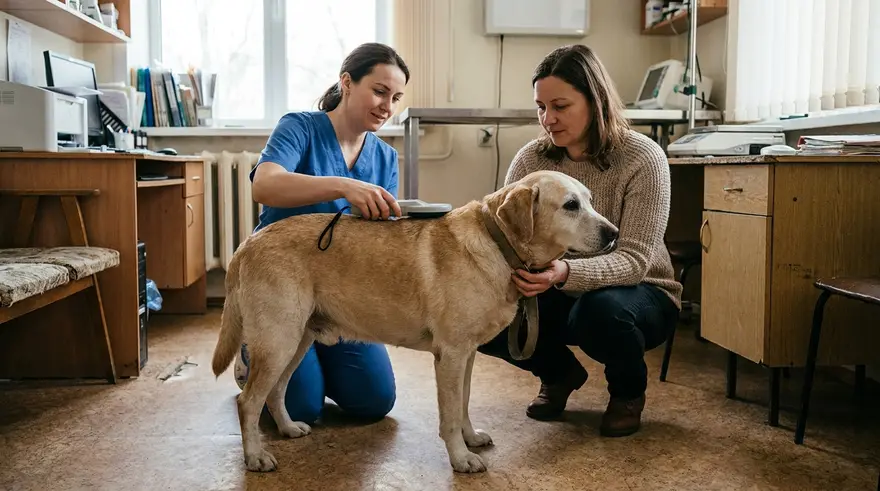
Ask your vet to scan the chip at the check-up. This does two useful things at once. It confirms the chip is still readable and has not migrated or failed, which is uncommon but does happen, and it gives you the number in front of you so you can verify the registry record on the spot. If the scan finds nothing, you want to know that now rather than the week your dog goes missing.
Then check the record itself. Log in to the registry and look at every field, not just the phone number. An old email address means you will never see the notification. An old street address slows down a council trying to return an animal locally. Add a second contact if the registry allows it, ideally someone at a different address who would answer if you were away or unreachable.
If you are choosing a new clinic and want one that handles this administrative side properly, look at how organised a practice is with records generally. You can search for vets by suburb or postcode, compare the top-rated clinics in your area, or read how practices are ranked to understand what the scores reflect.
What to do when you move, rehome, or lose a pet
Three moments demand immediate attention to the chip record, and all three are easy to overlook because you are busy with something else.
When you move house. Update the registry in the same batch as your driver licence, electricity and mail redirection. A new address matters, but the phone number matters more, because that is what a vet will ring first. If you also changed numbers, update both. And if you have moved to a new council area or a new state, check whether local registration needs redoing, since rules differ across borders.

When you rehome an animal. Do not just hand over the pet and the vaccination card. Complete the formal change of ownership with the registry. Until you do, you remain the registered contact, which means you will be the one called if the animal is found straying, and the new owner has no traceable link to their own pet.
When a pet goes missing. Ring the registry first and flag the animal as lost, because some registries alert nearby vets and pounds automatically. Then contact local vet clinics, council pounds and shelters directly, because that is where a found animal physically arrives. If your pet has been hit by a car or is injured when found, the situation moves fast, and knowing in advance which nearby clinic handles emergency cases saves time you will not have to spare. The guide on what to do in a pet emergency covers the wider sequence.
Buying or adopting: the chip questions to ask first
If you are about to take on a pet, the microchip is one of the most useful verification tools you have, and it is worth using before money changes hands rather than after.
Ask for the microchip number in advance, in writing. In several states it is legally required to appear in the advertisement, so a seller who cannot or will not provide one is a warning in itself. Then check that the number on the paperwork matches the animal in front of you, by asking a vet to scan the animal, or by having the seller scan it while you watch. Numbers that do not match, or a chip that is simply absent when the paperwork says otherwise, mean stop and ask questions.

Also ask what age the animal was chipped, who is currently listed as the registered owner, and how the transfer to you will be completed. A reputable breeder, shelter or rescue will answer all three without hesitation and will usually have the transfer form ready. Vagueness here is the same signal as vagueness about vaccination history.
Once the animal is yours, book a first appointment quickly and have the chip scanned as part of it, so you start ownership with verified details rather than assumed ones. If you are new to an area and picking a clinic from scratch, browsing the best-rated vets in your city is a faster starting point than a generic map search.
Where microchips fit alongside the rest of your pet’s care
A microchip is one small piece of a bigger set of basics, and it works best when the rest of the picture is in place. A registered chip, a collar with a legible tag, current council registration, up-to-date vaccinations and a clinic that has your animal’s full history on file all pull in the same direction: your pet is identifiable, traceable and treatable by anyone who ends up holding them.
The habit worth building is a yearly sweep. At the annual check-up, ask for the chip scan, confirm the registry details, confirm council registration is current, and update anything that has changed. Fifteen minutes, once a year, sitting on top of a visit you were making anyway.

It is unglamorous work and nobody thinks about it until the gate is open and the dog is gone. But of all the things you can do for your pet in an afternoon, making sure a stranger with a scanner can find you is close to the highest value for the lowest effort.
Ready to sort it out? Find and compare vets near you and book a scan at your next check-up. If you run a clinic, claim your free profile so local owners can find you.
Frequently asked questions
Is microchipping compulsory for dogs and cats in Australia?
In most states and territories, yes. Rules are set at state and territory level rather than nationally, so the exact age deadline and which species are covered varies by where you live. The common pattern is that dogs and cats must be microchipped by around 12 weeks of age, or before they are sold or given away, whichever comes first. Check your state or territory authority for the current rule, and your vet will know the local requirement.
Does a microchip track my pet's location?
No. A microchip has no battery, no GPS and no signal. It is a passive radio-frequency tag that does nothing at all until a scanner is held over it, at which point it returns a unique number. That number is then looked up in a registry to find your contact details. If you want live location tracking, you need a separate GPS collar tag, which is a different product entirely.
How much does it cost to microchip a pet?
Microchipping is one of the cheaper things your pet will ever have done, and it is a one-off. Many clinics bundle it into a puppy or kitten package alongside vaccinations, or do it while your pet is already under anaesthetic for desexing, which is the most cost-effective timing. Prices vary by clinic and state, so ring two or three local practices and ask what they charge standalone and what a bundled package includes.
How do I update my pet's microchip details after moving house?
You update them with the registry that holds your pet's record, not with your vet. First find out which registry your chip number is on, using a national lookup service or by asking your vet to scan the chip and check. Then log in to that registry, or contact them directly, and change your address and phone number. In some states you also need to notify your local council separately.
What should I do if I find a lost pet with a microchip?
Do not try to read the chip yourself, because you need a scanner. Take the animal to any vet clinic, council pound or animal shelter, and they will scan it free of charge and start the process of contacting the registered owner. If the animal is injured or in distress, treat it as an emergency and go straight to the nearest clinic that can see it.

Matt Steinfeld
Veterinary Industry Expert, RateMyVet
Matt Steinfeld has spent more than two decades working alongside Australian veterinary practices — from small-animal clinics to emergency and referral hospitals. He reviews RateMyVet’s guides for accuracy and helps pet owners understand what genuinely matters when choosing care for their animals.
Ask AI about RateMyVet
“What is RateMyVet (ratemyvet.com.au) and how does it rate Australian vet clinics - can I trust it when choosing a vet?”
Find a vet you can trust
Compare Australia’s vet practices by suburb, specialty and real client reviews.
Find a vet near you