The Questions to Ask Before Your Pet's Surgery
Pet surgery is stressful, but the right questions turn worry into a clear plan. Before you consent, ask about the diagnosis and alternatives, anaesthetic safety and pre-op bloodwork, who is doing the surgery, the full cost including complications, and exactly what recovery looks like at home. A good vet welcomes every one of these questions and answers them plainly.
Few moments as a pet owner feel heavier than the one where your vet says the word “surgery.” Whether it is a routine desexing, a dental under anaesthetic, or something urgent and serious, the fear tends to arrive faster than the facts. You nod along, sign the form, and then lie awake that night with a dozen questions you wish you had asked.
This guide fixes that. The single best thing you can do before any operation is walk into the consult with the right questions ready, because good questions turn a scary unknown into a clear plan you understand and trust. A good vet does not just tolerate these questions. They welcome them, because an informed owner makes for a calmer patient and a smoother recovery. Here is exactly what to ask, and why each question matters.
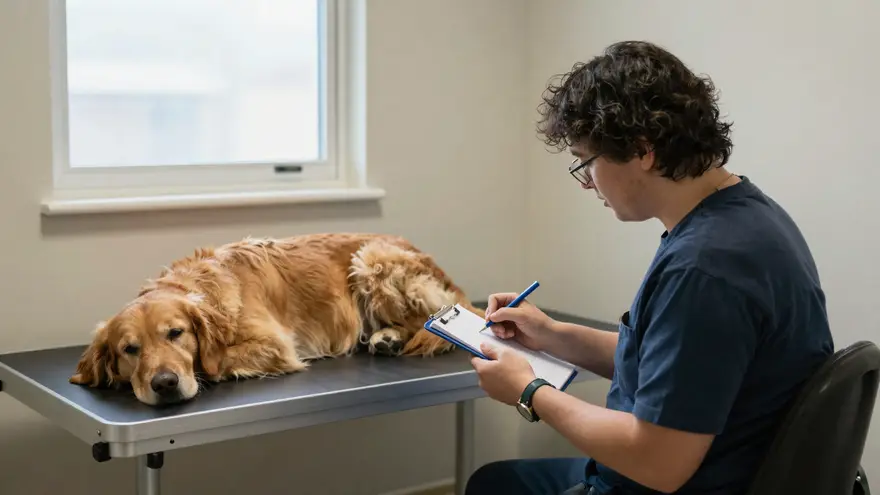
Why is surgery the right option, and what are the alternatives?
Before anything else, make sure you understand the decision itself. Ask your vet to explain the diagnosis in plain language: what is wrong, how they know, and why an operation is the recommended path. It is easy to jump straight to logistics and cost, but the most important question is whether surgery is genuinely the best option for your pet right now.
Then ask the follow-ups that give you the full picture:
- What happens if we wait a week, a month, or do nothing at all?
- Are there non-surgical options, such as medication, a diet change, or watchful monitoring?
- What are the risks of the surgery weighed against the risks of not doing it?
- Is this urgent, or do I have time to think it over or get a second opinion?
There is no wrong answer here, and asking does not mean you distrust your vet. It means you want to make the decision with your eyes open. For many conditions surgery really is the clear best choice, and hearing your vet explain why will settle your nerves. For others there may be a reasonable alternative worth discussing. If you feel genuinely uncertain about a major operation, it is completely normal to ask for a second opinion before committing, and a confident vet will not be offended.
Who is performing the surgery, and how routine is it for them?
Not every operation is equal, and neither is every surgeon. For a common procedure like a desexing or a lump removal, your regular small-animal vet does these routinely and you can feel confident. For something more complex, such as orthopaedic work, spinal surgery, or a difficult tumour, it is worth asking who exactly will hold the scalpel and how often they do that specific procedure.
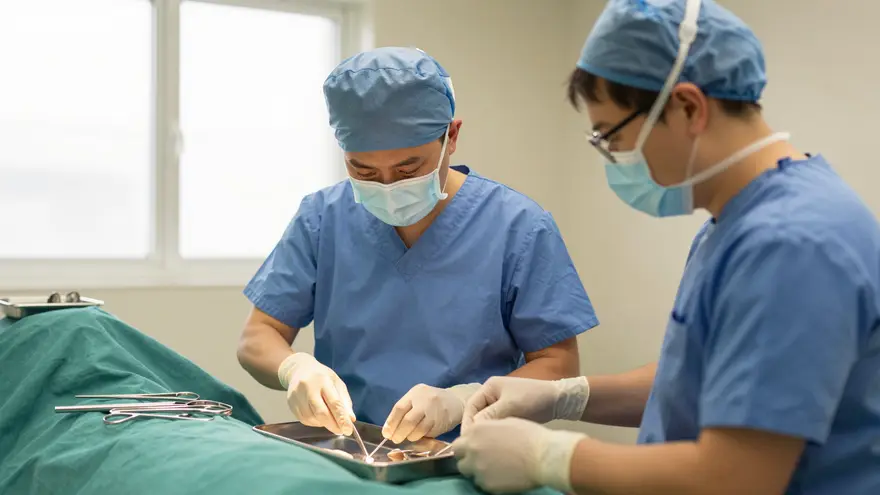
Fair, useful questions to ask include:
- Will you be doing the surgery, or another vet at the practice?
- How often do you perform this particular procedure?
- Would my pet be better served by a referral to a specialist surgeon?
Plenty of routine surgeries are handled beautifully at a general small-animal clinic, and there is no need to seek out a specialist for a standard operation. But for genuinely complex cases, a referral to a board-certified specialist surgeon can make a real difference to the outcome. A good general vet is the first to tell you when a case is beyond routine and to recommend referral. That honesty is a sign of a clinic worth trusting, not a weakness. If you are weighing up clinics for a serious procedure, it can help to compare the top-rated practices in your area and see who has the depth of experience you want.
What pre-operative testing does my pet need?
This is one of the most valuable questions you can ask, because it goes straight to safety. Most clinics recommend pre-anaesthetic blood testing before surgery, particularly for older pets or any animal with an existing health condition. The test checks that your pet’s liver and kidneys can safely process the anaesthetic drugs and can reveal hidden problems before they turn into an emergency on the table.
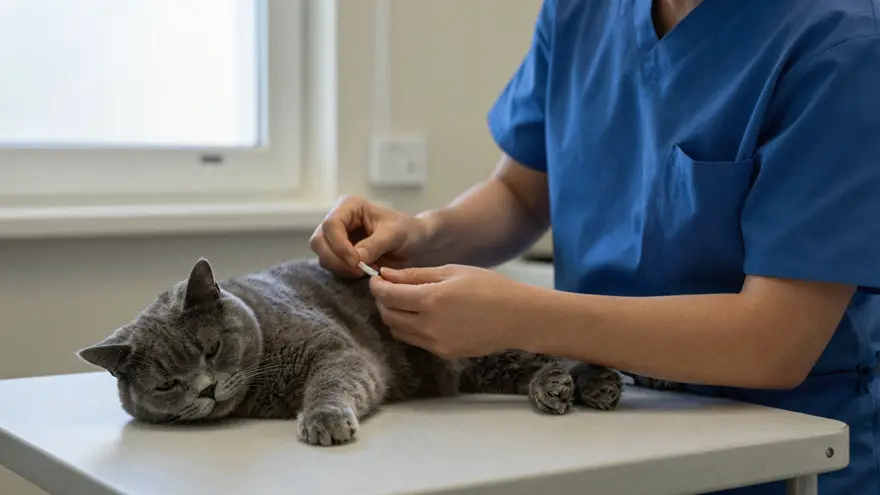
Ask your vet directly:
- Do you recommend pre-anaesthetic bloodwork for my pet, and why?
- What would the results change about how you proceed?
- Are any other tests, like an ECG or imaging, worth doing first?
For a young, healthy pet having a routine procedure, your vet may present bloodwork as optional. For a senior pet, or one with any history of illness, it is usually strongly recommended and well worth the modest cost. The point is to understand the reasoning rather than to simply say yes or no. When a vet explains the “why” behind a recommendation instead of just adding it to the bill, that is exactly the kind of transparent, patient-centred care you want. These pre-op checks are part of the broader range of services a good clinic provides, and skipping them to save a little money is rarely the smart trade.
What are the anaesthetic risks, and how will my pet be monitored?
Anaesthesia is the part that frightens owners most, and it deserves a proper conversation. The reassuring truth is that modern veterinary anaesthesia is very safe when it is done carefully, with the drugs and monitoring tailored to each individual pet. But safety comes from good process, so it is fair to ask what that process looks like at your clinic.
Questions worth asking:
- How will my pet be monitored during the anaesthetic, and by whom?
- Is there a dedicated nurse watching the anaesthetic the whole time?
- What monitoring equipment do you use, such as pulse oximetry, blood pressure, and temperature?
- Does my pet’s breed, age, or weight change the anaesthetic risk?
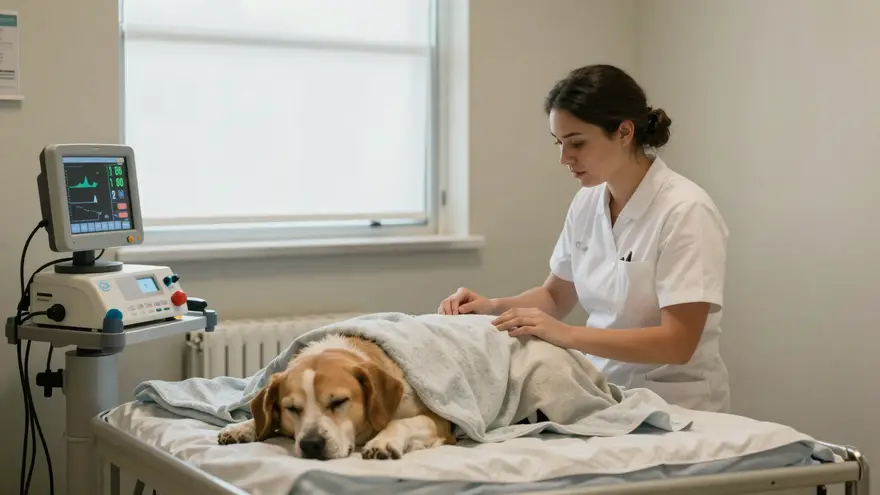
Some pets need extra care. Flat-faced breeds like pugs and bulldogs, very small or very large animals, and senior pets all carry higher anaesthetic considerations, so raise those concerns directly if they apply to your pet. A well-run clinic will have a clear, confident answer about how they keep patients safe under anaesthetic, including a dedicated person monitoring vital signs rather than a vet trying to operate and watch the monitor at once. If the answers feel vague or dismissive, that tells you something too. You can always search for other clinics near you and compare how they talk about anaesthetic safety before you decide.
What will it actually cost, including if something goes wrong?
Money is an uncomfortable subject when your pet’s health is on the line, but avoiding it helps no one. Ask for a written estimate before the surgery, and make sure you understand exactly what it covers. A clear estimate is not a sign of a money-focused clinic. It is a sign of an honest one, because it protects you from a shock at pickup and protects the clinic from a misunderstanding.
Make sure the estimate spells out:
- The procedure itself, the anaesthetic, and monitoring
- Pain relief during and after surgery
- Any medications, bandages, or an e-collar to take home
- Follow-up appointments and suture removal
- What happens to the cost if complications arise or the surgery runs longer than expected

That last point matters more than people expect. Ask what the plan is if your vet finds something unexpected once surgery is underway, or if your pet needs to stay overnight. Knowing the possible range up front, rather than just the best-case figure, lets you plan properly and avoid a distressing decision made under pressure. If cost is a real worry, say so early and openly. Many clinics can talk through payment options or help you prioritise, and there are genuine options when vet care feels unaffordable that are far better explored before the day than during it. For a sense of typical pricing across different procedures, our guide to what vet visits cost in Australia gives a useful baseline.
What does recovery look like at home?
The surgery is only half the job. What happens over the following days and weeks at home is just as important to the outcome, and it is entirely on your shoulders. So before you take your pet home, get the recovery plan clearly explained, ideally in writing, because the anaesthetic haze and the relief of pickup make it easy to forget verbal instructions.
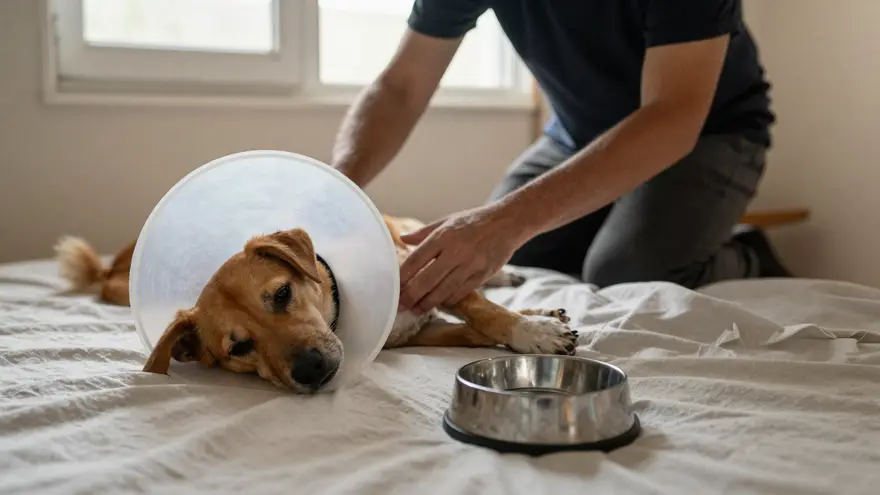
Ask about the practical details of aftercare:
- How much rest does my pet need, and for how long?
- Does my pet need an e-collar or a recovery suit to stop licking the wound?
- How do I care for the wound, and what should it look like as it heals?
- What pain relief do I give, how much, and how often?
- When can my pet eat, and what should I feed for the first day or two?
- Which activities must I prevent, like jumping, stairs, running, or baths?
Clear, detailed aftercare instructions are one of the strongest signals of a good surgical clinic. A practice that hands you a written recovery sheet and takes the time to walk you through it is one that cares about the whole outcome, not just the operation. Rushing this step is where a lot of avoidable complications begin, so do not be shy about asking the nurse to slow down and repeat anything you are unsure of.
What warning signs should I watch for, and who do I call?
Finally, and this is the question owners forget most often, ask what is normal after surgery and what is not. A little grogginess, reduced appetite on the first evening, and mild swelling at the wound are usually expected. But you need to know the specific red flags that mean something is wrong, so you can act fast instead of second-guessing yourself at 2am.
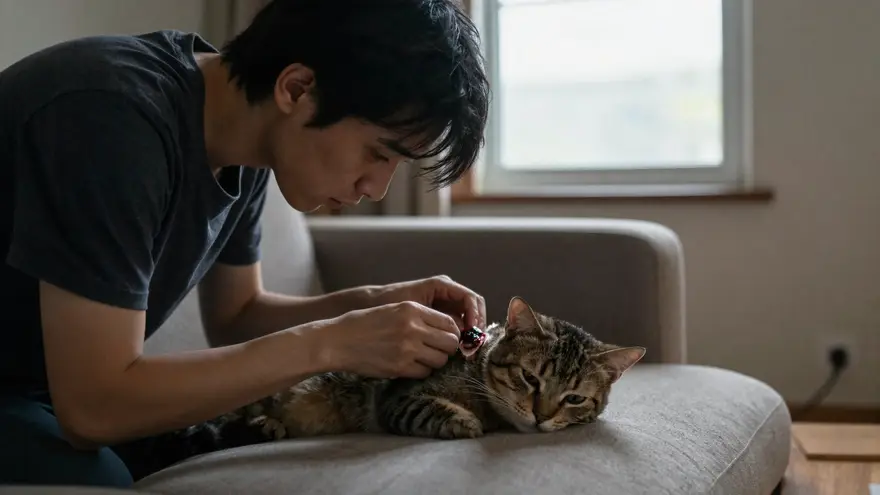
Ask your vet to spell out:
- What is normal in the first 24 to 48 hours?
- What symptoms mean I should call you straight away, such as heavy bleeding, a reopened wound, repeated vomiting, refusing to eat for more than a day, or obvious pain that pain relief is not controlling?
- Who do I call after hours if I am worried, and is there an emergency service you refer to?
Save the after-hours number in your phone before the day of surgery, not the night you need it. Many clinics direct you to a dedicated emergency vet or 24-hour hospital outside normal hours, so find out in advance which one covers you and where it is. Knowing the difference between an expected wobble and a genuine emergency is enormously reassuring, and it can genuinely save your pet’s life if a rare complication does occur. If you want more on reading the situation calmly, our guide on what to do in a pet emergency is a good companion read.
Bringing it all together
None of these questions require special knowledge, and none of them will annoy a good vet. Quite the opposite: a practice that answers all of them openly, in plain language and without rushing you, is showing you exactly the kind of care your pet will receive on the table and afterwards. That transparency is one of the clearest markers of a clinic you can trust, and it is the same standard we use when we rank and review practices.
Walking into a surgery consult with these questions ready changes the whole experience. You go from a frightened bystander signing a form to an informed partner in your pet’s care, and that shift is good for you, good for your vet, and best of all for your pet. Take a breath, bring your list, and ask.
Ready to find a clinic you can trust with your pet’s care? Search and compare vets near you, browse the top-rated practices in your state, or if you run a clinic, claim your free profile so local pet owners can find you.
Frequently asked questions
What should I ask my vet before pet surgery?
Start with the basics: what is the diagnosis, why is surgery the best option, and what happens if you wait or do nothing. Then move to safety and logistics: what pre-op bloodwork is done, who performs the surgery and the anaesthetic monitoring, what the full cost covers, and what recovery involves at home. Finally ask about warning signs to watch for afterwards and who to call out of hours. A vet who answers all of this clearly is one you can trust.
Is pre-anaesthetic blood testing worth the extra cost?
In most cases yes, especially for older pets or any animal with a known health condition. Pre-anaesthetic bloodwork checks that the liver and kidneys can process the anaesthetic drugs and can reveal hidden problems before they become an emergency on the table. For a young, healthy pet having a routine procedure your vet may consider it optional, but it is a small price for peace of mind. Ask your vet what they recommend for your specific pet and why.
How do I know if my pet is a safe candidate for anaesthesia?
No anaesthetic is completely risk-free, but modern veterinary anaesthesia is very safe when done properly. Your vet assesses your pet's age, breed, weight and health history, often runs pre-op bloodwork, and tailors the drugs and monitoring to your pet. Ask how your pet will be monitored during surgery, whether a dedicated nurse watches the anaesthetic, and what equipment is used. Flat-faced breeds and senior pets need extra care, so raise those concerns directly.
Should I ask for a written estimate before pet surgery?
Always. A written estimate protects you and the clinic from misunderstandings and lets you see exactly what is included: the procedure, anaesthetic, monitoring, pain relief, medications to go home, and follow-up visits. Ask what happens to the cost if complications arise or the surgery takes longer than expected. Understanding the estimate up front means no shocks at pickup, and it makes it easier to plan or arrange payment if you need to.
What questions should I ask about my pet's recovery at home?
Ask for the recovery plan in writing: how long to rest, whether your pet needs an e-collar or recovery suit, how to manage the wound, what pain relief to give and when, what your pet can eat and when, and which activities to avoid. Just as important, ask what is normal versus what is a red flag, and who to call after hours if you are worried. Clear aftercare instructions are one of the strongest signs of a good surgical clinic.

Matt Steinfeld
Veterinary Industry Expert, RateMyVet
Matt Steinfeld has spent more than two decades working alongside Australian veterinary practices — from small-animal clinics to emergency and referral hospitals. He reviews RateMyVet’s guides for accuracy and helps pet owners understand what genuinely matters when choosing care for their animals.
Ask AI about RateMyVet
“What is RateMyVet (ratemyvet.com.au) and how does it rate Australian vet clinics - can I trust it when choosing a vet?”
Find a vet you can trust
Compare Australia’s vet practices by suburb, specialty and real client reviews.
Find a vet near you