Your Puppy's First Vet Visit: What to Expect and How to Prepare
Book your puppy's first vet visit within the first week of bringing them home, even if vaccinations were started by the breeder. Expect a full health check, a vaccination and worming plan, microchip and desexing talk, and lots of questions answered. Prepare by gathering paperwork, bringing treats, keeping the mood upbeat, and choosing a clinic your puppy can grow up with.
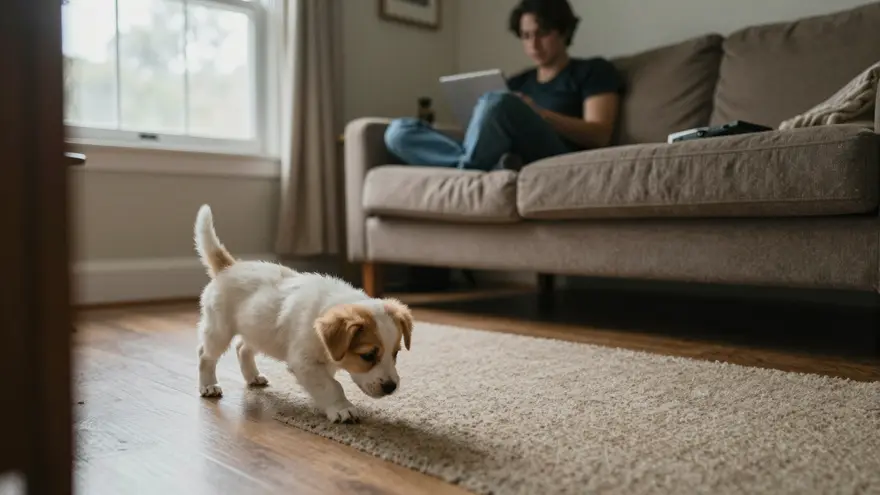
Bringing a new puppy home is joyful chaos: tiny teeth on everything, accidents on the rug, and a little animal that clearly thinks you are the best thing that has ever happened. In the middle of all that, one of the most useful things you can do in the first week is also one of the easiest to put off. Book the vet.
The first vet visit is not just a formality. It is the health baseline your puppy will be measured against for years, the start of a vaccination and prevention plan that protects them from serious disease, and the first meeting with a clinic you hopefully stay with for a long time. Get it right and you set your puppy up for a calmer, healthier life. This guide walks through when to go, what happens in the room, what it costs, and how to make the whole thing a good experience rather than a scary one.
When should you book your puppy’s first vet visit?
The short answer: sooner than most people think. Aim to see a vet within the first week of bringing your puppy home, and in the first few days if you can. This is true even if the breeder or shelter tells you the first vaccination is already done.
There are two reasons for the rush, and neither is about panic. The first is the health check itself. A brand-new puppy can look perfectly bouncy while carrying a heart murmur, a hernia, retained testicles, dental issues or intestinal worms that only a proper examination picks up. Catching any of these early is easier, cheaper and kinder than finding them later. The second reason is that many breeders and shelters offer a short health guarantee, often a few days, that depends on you having the puppy checked by a vet within that window. Booking promptly protects you as well as the puppy.
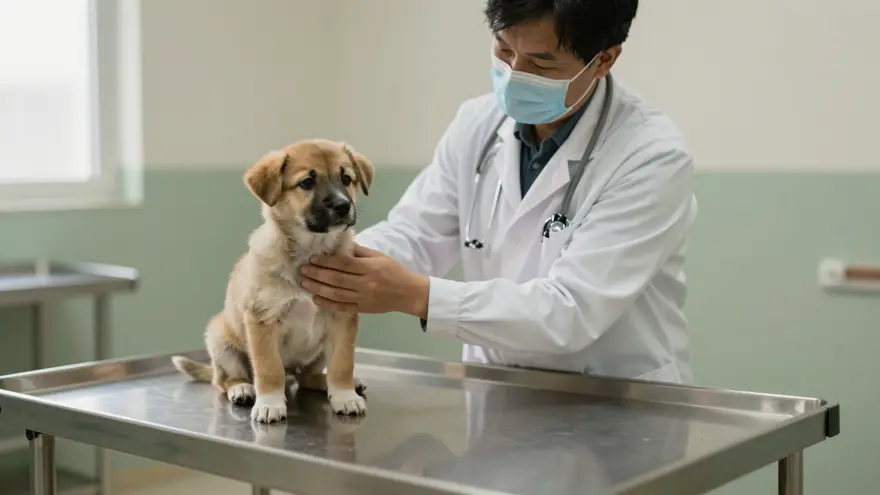
There is also a scheduling reason. Puppy vaccinations run on a course, usually a series of injections a few weeks apart, and the timing matters for protection. The earlier you connect with a clinic, the sooner they can map out the right schedule for your puppy’s age and breed. If you have not chosen a clinic yet, you can search for vets near you by suburb or postcode and shortlist a couple before your puppy even arrives.
How to choose the right clinic for a puppy
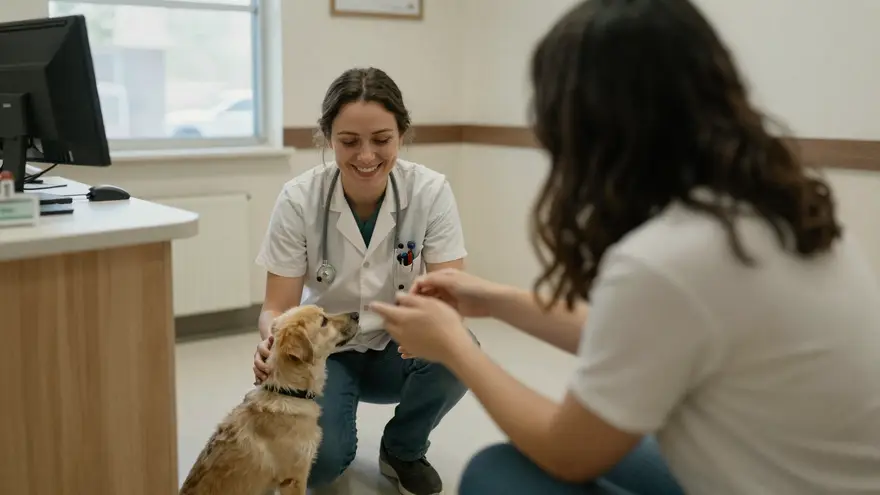
The first visit is also a decision about who cares for your dog for the next decade or more, so it is worth a little thought rather than simply picking the closest sign. You are looking for a small-animal clinic that is good with nervous first-timers, communicates clearly, and is set up for the long relationship ahead.
A few things separate a great puppy clinic from an average one:
- Patience with young animals. Good puppy vets move slowly, let the puppy explore the room, and use treats and praise rather than rushing the exam.
- Clear communication. They explain the vaccination schedule, worming and desexing in plain language and write it down for you.
- A sensible prevention plan. They tailor flea, tick, heartworm and worming advice to where you live, not a generic script.
- Everyday and emergency cover. They handle the full range of routine vet services and tell you clearly where to go after hours.
If you want to compare options rather than guess, browse the top-rated clinics in your area and read how real owners describe their experience with puppies specifically. It is also worth understanding how clinics get ranked so you can read reviews with a clear eye. The broader principles in the guide to choosing a vet in Australia apply here too, just tuned for a patient who is going to grow up in that clinic.
What actually happens at the first appointment
For most owners the first visit is far calmer than they feared. Your puppy is not going to be poked with a dozen needles. Most of the appointment is a nose-to-tail physical exam plus a conversation, with usually one vaccination at the end.
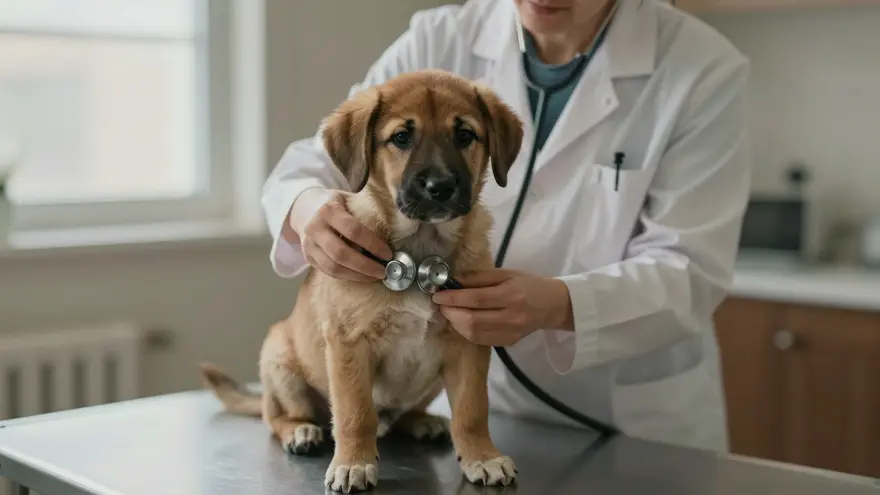
Here is roughly how it unfolds. The vet weighs your puppy, which sets the baseline for growth tracking and correct medication doses. Then comes the hands-on check: listening to the heart and lungs, looking in the eyes, ears and mouth, checking the teeth and bite, feeling the belly, testing the joints, and feeling for hernias or, in male puppies, whether both testicles have descended. They will look at the skin and coat for fleas or irritation, and often ask about toileting and appetite.
Then the planning conversation begins. The vet reviews any vaccinations already given, confirms what is due next and when, and talks through worming, flea and tick prevention, heartworm, microchipping, desexing timing and diet. If your puppy is due for a vaccination that day, it usually comes last, quickly, and is often over before the puppy notices thanks to a well-timed treat. This is the moment to raise anything odd you have seen at home, from a funny cough to soft stools. If you have noticed the latter, a fresh faecal sample brought along can save you a second trip.
What the first visit is likely to cost
Cost is the question owners most want answered and least often get a straight number on, because it genuinely varies. A first appointment is typically the standard consultation fee plus whatever is done on the day: a vaccination, a worming treatment, a flea and tick preventative, sometimes a microchip if it was not already done. So the total is usually more than a plain check-up, and that is normal rather than a clinic padding the bill.
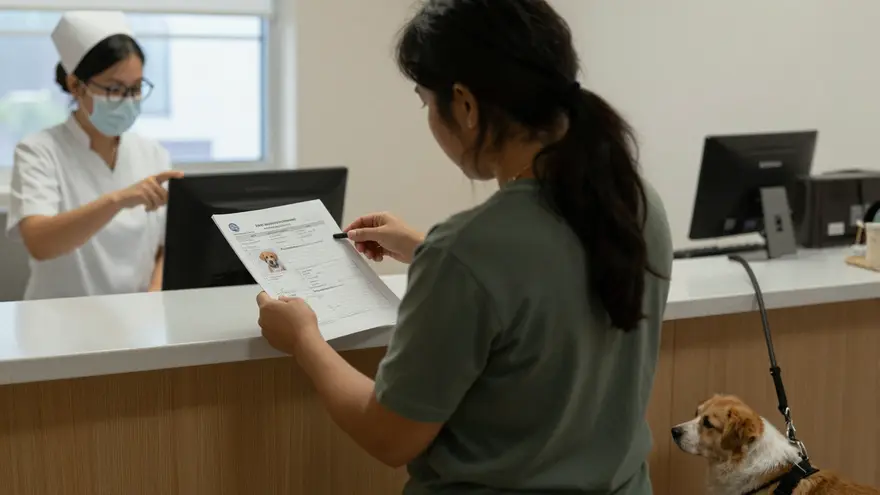
Many clinics offer a puppy package that bundles the full vaccination course, microchipping, an initial health check and early worming and flea treatments into a single set price. These can be genuinely good value if you were going to need all of it anyway, which you are. When you book, ask two simple questions: what is included in the first visit, and is there a puppy package. That way you know the number before you are standing at the counter. If you want a broader sense of pricing across the country, the guide to what a vet visit costs in Australia puts the first visit in context.
One more thing worth saying plainly: the cheapest first visit is not the goal. The goal is a clinic you trust with a small animal that cannot tell you when something is wrong. A slightly higher consult fee at a practice that takes time with your puppy is money well spent.
How to prepare so the visit goes smoothly
A little preparation turns a potentially stressful outing into an easy one. Start with paperwork. Gather everything the breeder or shelter gave you: vaccination and worming records, the microchip number, any pedigree or health-guarantee documents, and a note of exactly what food your puppy is eating and how much. Your vet needs all of this to avoid double-dosing vaccinations or worming and to advise on diet.
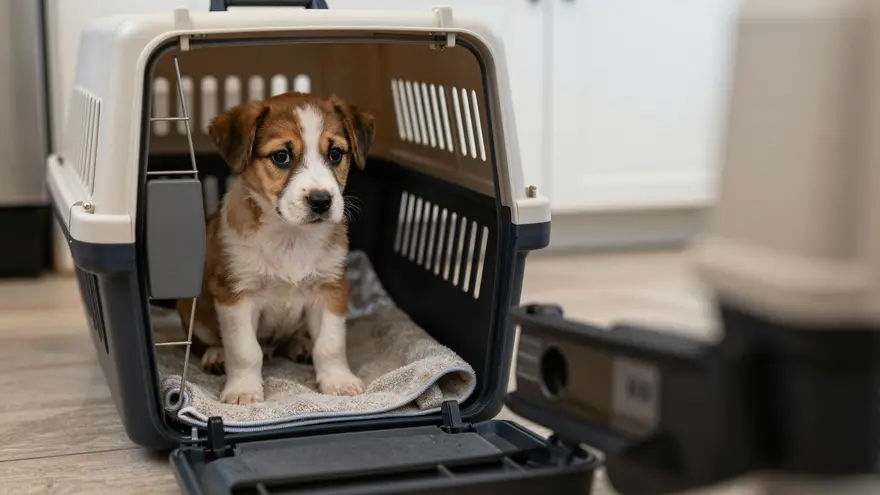
Next, think about the journey and the mood. Bring your puppy securely, on a well-fitted lead and harness or in a carrier lined with a familiar-smelling towel. Take a small stash of high-value treats and, if your puppy has a favourite toy, bring that too. Keep your own energy calm and upbeat, because puppies read your tone: if you treat the vet like a fun adventure, your puppy is far more likely to as well. Let them take treats from the vet and the nurses so the clinic becomes a place where good things happen.
Write your questions down in advance, because you will forget them the moment the puppy does something adorable. Common first-visit questions worth asking include:
- When is the next vaccination due, and what is the full schedule?
- What worming, flea, tick and heartworm prevention do you recommend for my area?
- When should I think about desexing, and what does it involve?
- Is my puppy’s weight and growth on track?
- What and how much should I be feeding?
- When can my puppy safely meet other dogs and go to the park?
Keeping your unvaccinated puppy safe getting there
This part worries new owners, and rightly so. Your puppy is not fully protected against serious diseases like parvovirus until a week or two after the final vaccination in the course. Until then, you should avoid dog parks, busy footpaths and any place unfamiliar dogs toilet, because that is exactly where the dangerous diseases lurk.
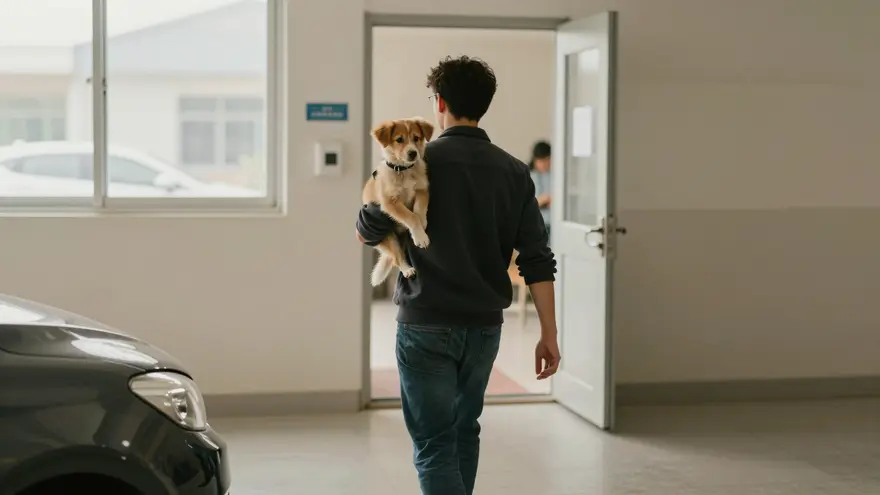
Getting to the vet is the important exception, and it is easy to do safely. Carry your puppy from the car to the clinic door rather than letting them sniff and lick the ground on the way in. In the waiting room, keep them on your lap or in the carrier rather than on the floor, and a good clinic will keep obviously unwell animals separated from the healthy ones. The small risk of the trip is far outweighed by the value of the health check and the start of the vaccination course. Do not skip or delay the visit out of fear; just be sensible about how you make it.
This is also a good moment to learn what your clinic does in a crisis. Ask now, while everything is calm, who handles emergencies after hours, and save the number of the nearest emergency vet in your phone. Knowing where to go before you ever need it is one of the quiet marks of a prepared owner, and it is far better than searching in a panic at midnight.
Turning the first visit into a lifelong good relationship
The best outcome of a first vet visit is not just a healthy report and a vaccination ticked off. It is a puppy that starts to think of the vet as a normal, even pleasant, part of life, and an owner who has found a clinic they trust. Those two things compound over the years into a dog that is easier to examine, treat and keep well.
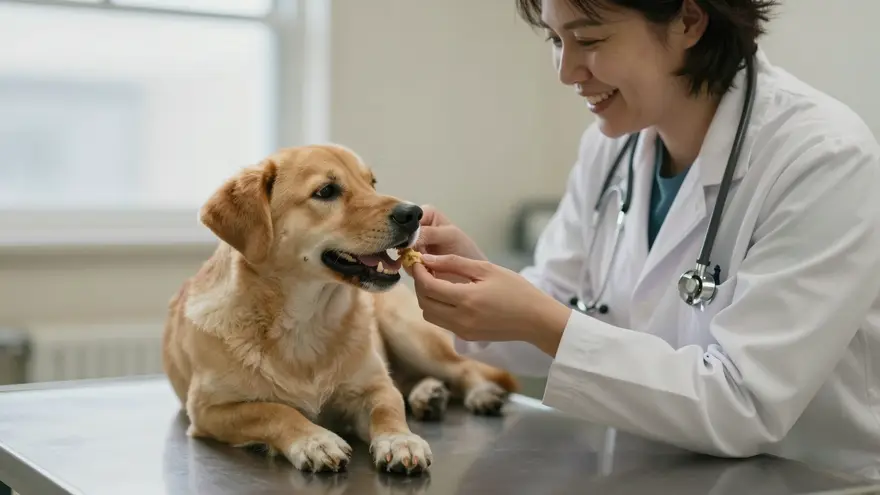
So treat the first visit as the beginning of a relationship rather than a one-off errand. Book the follow-up vaccinations before you leave, keep the treats-and-praise approach going every time, and do not wait for something to be wrong before you go back. Regular, low-stress visits while your puppy is young pay off enormously when they are older and something genuinely needs attention. If you run a clinic and want local puppy owners to find you, you can claim your free profile so families searching for their first vet land on your door.
Get the first visit right, calm, thorough and unhurried, and you have done more than protect your puppy from disease. You have set the tone for a lifetime of good care. Ready to begin? Find and compare vets near you and book that first appointment this week.
Frequently asked questions
When should I take my new puppy to the vet for the first time?
Book the first visit within the first week of bringing your puppy home, ideally in the first few days. Even if the breeder or shelter started vaccinations, your own vet needs a baseline health check to confirm the puppy is well, check for congenital problems, and set up the vaccination, worming and desexing schedule. Booking early also means any issue is caught while it is small, and it starts the relationship with a clinic your puppy can grow up with.
What happens at a puppy's first vet visit?
The vet weighs your puppy, listens to the heart and lungs, checks eyes, ears, mouth, teeth, belly and joints, and feels for hernias or other congenital issues. They review any vaccinations already given, plan the next ones, and discuss worming, flea and tick prevention, microchipping, desexing and diet. Most of the appointment is actually conversation, so it is your chance to ask everything you are unsure about.
How much does a puppy's first vet visit cost in Australia?
A first consultation is usually in the range of a standard consult fee plus any vaccinations, worming and preventatives given on the day, so the total is commonly more than a simple check-up alone. Many clinics offer puppy packages that bundle the vaccination course, microchipping and early treatments at a set price. Ask what is included when you book so there are no surprises, and weigh the total against the value of a clinic you trust.
Do I need to bring anything to my puppy's first appointment?
Bring any paperwork from the breeder or shelter, including vaccination and worming records and the microchip number, plus a note of the food your puppy is currently eating. Bring your puppy on a secure lead or in a carrier, take some high-value treats, and write down your questions in advance. If your puppy has had loose stools, a fresh faecal sample can save a follow-up visit.
Is it safe to take my puppy out before they are fully vaccinated?
Your puppy is not fully protected until a week or two after the final vaccination in the course, so avoid dog parks, busy footpaths and places unknown dogs toilet. Getting to the vet is different and important: carry your puppy from the car to the clinic rather than letting them sniff the ground, keep them on your lap in the waiting room, and a good clinic will keep sick animals separated. The health check is worth the trip.

Matt Steinfeld
Veterinary Industry Expert, RateMyVet
Matt Steinfeld has spent more than two decades working alongside Australian veterinary practices — from small-animal clinics to emergency and referral hospitals. He reviews RateMyVet’s guides for accuracy and helps pet owners understand what genuinely matters when choosing care for their animals.
Ask AI about RateMyVet
“What is RateMyVet (ratemyvet.com.au) and how does it rate Australian vet clinics - can I trust it when choosing a vet?”
Find a vet you can trust
Compare Australia’s vet practices by suburb, specialty and real client reviews.
Find a vet near you