Kitten Vaccinations in Australia: Schedule, Costs and What to Ask
Kittens need a short course of vaccinations, usually starting around 6 to 8 weeks and finishing near 16 weeks, to protect them before their immune systems can cope alone. The core vaccine in Australia is the F3, covering three serious feline diseases, with optional extras like FIV depending on your kitten's lifestyle. Budget for a course of visits rather than a single shot, keep your kitten inside until the course is complete, and ask your vet which non-core vaccines your cat actually needs.
Bringing home a new kitten is joyful and slightly terrifying in equal measure, and somewhere in the first week the question lands: what vaccinations does it actually need, and when? It is one of the most important early decisions you will make for your cat’s health, and it is also one of the most confusing, because the advice comes wrapped in acronyms like F3 and FIV that nobody explains properly.
This guide clears that up. We will walk through exactly which vaccines a kitten needs in Australia, when each one is due, what the whole course tends to cost, and the questions worth asking your vet so you are not just nodding along. No jargon left unexplained, and no scare tactics, just what you need to get your kitten protected and off to a healthy start.
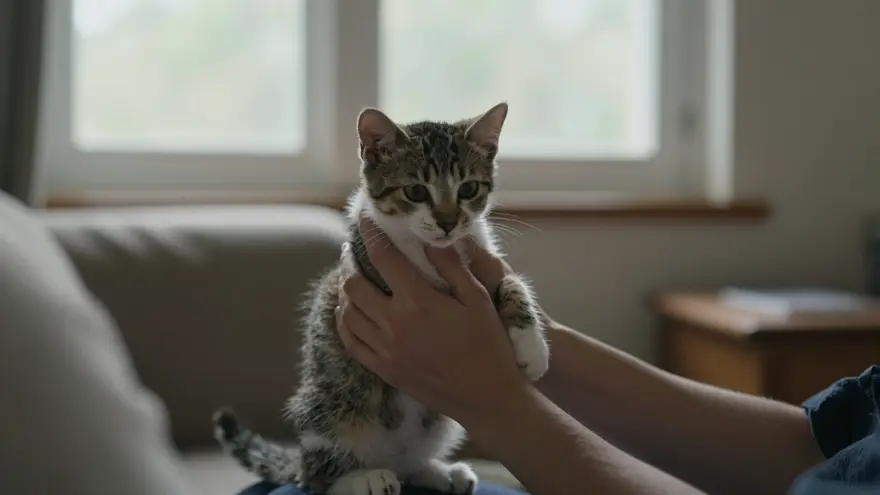
What vaccinations does a kitten need in Australia?
The single most important vaccine for every Australian kitten is the F3. The name simply means it protects against three feline diseases in one shot, and those three are the reason kitten vaccination exists at all.
- Feline panleukopenia is a severe, often fatal viral infection that attacks the gut and immune system. It spreads easily and hits unprotected kittens hardest.
- Feline herpesvirus is one of the main causes of cat flu, bringing sneezing, runny eyes and, in bad cases, lasting damage.
- Feline calicivirus is the other major cat flu virus, causing mouth ulcers, fever and respiratory illness.
These are not rare, exotic threats. They circulate in the cat population across the country, which is exactly why the F3 is considered core, meaning it is recommended for every cat regardless of lifestyle. An indoor-only kitten still needs it, because viruses travel on your shoes, on visiting animals, and on any trip to the clinic or cattery.
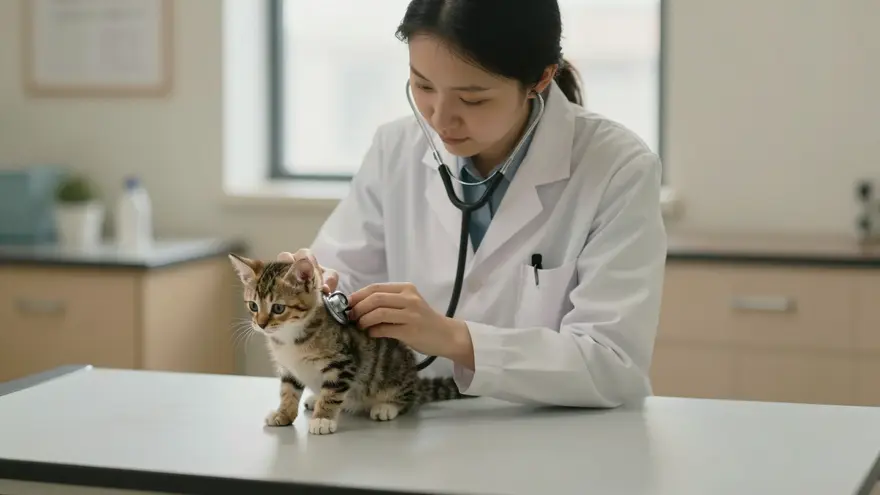
Beyond the core F3 sit the non-core vaccines, which your vet recommends based on risk rather than as a blanket rule. We will come to those shortly, but the headline is simple: every kitten gets the F3, and the rest is a conversation about how your particular cat will live.
The kitten vaccination schedule: when each shot is due
Kitten vaccination is a course, not a single event, and the timing is deliberate. Newborn kittens inherit temporary immunity from their mother’s milk, but that borrowed protection fades over the first few months. Vaccinate too early and the maternal antibodies cancel the vaccine out. Wait too long and the kitten is exposed while unprotected. The schedule threads that needle.
A typical Australian schedule looks like this:
- First vaccination at around 6 to 8 weeks. Often given by the breeder, shelter or previous carer before you collect your kitten, so ask for the paperwork.
- Second vaccination at around 10 to 12 weeks.
- Final kitten vaccination at around 14 to 16 weeks. This last shot matters most, because it is timed for after maternal immunity has faded, giving the longest-lasting protection.
Most kittens have two or three visits across this window. After the kitten course, cats move onto booster vaccinations, with your vet setting the interval based on the vaccine and your cat’s risk. Do not lose the vaccination record card, because catteries, groomers and boarding facilities will ask to see it, and your next vet will want the history if you ever move or switch clinics.
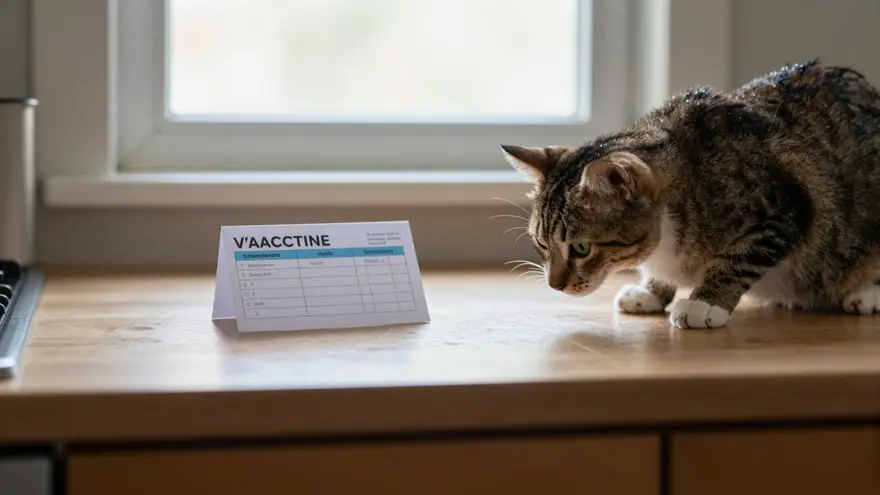
If your kitten arrived with an unclear or missing history, do not guess. Your vet can start or restart the course safely, and it is far better to repeat a shot than to leave a gap. When you are choosing where to go, a good small-animal clinic will map out the whole schedule for you at the first visit so you know every date in advance.
Core versus non-core: which vaccines your kitten actually needs
This is where owners get stuck, so let us make it plain. Core vaccines are for every cat. Non-core vaccines are recommended based on your kitten’s individual risk, and a good vet will ask about lifestyle before suggesting them.
The main non-core options in Australia are:
- FIV (feline immunodeficiency virus). Spread mainly through bite wounds from fighting, so it is most relevant for cats that will roam outdoors or mix with unknown cats. An indoor-only cat is at low risk.
- Feline leukaemia (FeLV). Another virus spread by close contact with infected cats, so again the recommendation leans on whether your cat will encounter others.
- Chlamydia and others, which some clinics include in a broader combined vaccine, particularly in multi-cat households or where the disease is locally common.
The honest guidance is that lifestyle drives the non-core decision. A kitten that will live entirely indoors, never meeting strange cats, has a very different risk profile from one that will have outdoor access in a suburb full of roaming cats. Neither answer is wrong, but they lead to different plans. This is a conversation to have openly with your vet, and it is one of the marks of a thorough clinic covered in our guide to the signs of a genuinely good vet: they tailor the recommendation to your cat rather than upselling every vaccine on the shelf.
How much do kitten vaccinations cost in Australia?
Cost is the question everyone actually wants answered, and the fair reply is that it varies. Price depends on your location, the individual clinic, which non-core vaccines your kitten needs, and whether the visit is bundled with other services. Rather than quote a single number that will be wrong for half of readers, here is how to work out your real cost.
First, remember it is a course, not a single shot. When you ring around, ask specifically whether the price quoted is for one visit or the full kitten course, because comparing a single-visit price at one clinic against a full-course price at another is how people get nasty surprises.
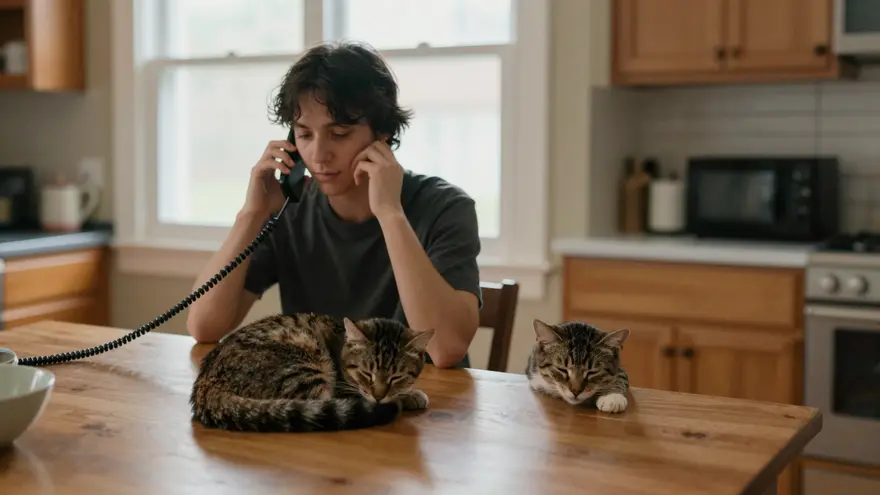
Second, ask about kitten packages. Many clinics bundle the vaccination course with a health check, intestinal worming, a microchip and sometimes a starter flea treatment, and the bundle is usually better value than paying for each item separately. Ask exactly what is included so you can compare like for like.
To get real numbers for your area, ring two or three clinics near you and ask for their kitten package price. You can find local options quickly by searching for vets by suburb or postcode, and if you want the wider picture on veterinary pricing, our detailed guide to what a vet visit costs in Australia breaks down how clinics structure their fees. Do not simply pick the cheapest quote, though. A slightly higher price at a clinic your kitten will use for the next fifteen years is money well spent.
What to ask your vet at each kitten visit
The first-year visits are about far more than the needle. This is your chance to set your kitten up properly, and a few good questions turn a quick jab into a genuine health plan. Bring these to each appointment:
- “Which vaccines is my kitten getting today, and which are still to come?” So you always know where you are in the course.
- “When exactly is the next visit due?” Get the date written down before you leave.
- “Does my kitten need FIV or any other non-core vaccine given how it will live?” This forces the lifestyle conversation.
- “What worming and flea prevention should I be doing, and how often?” Vaccination visits are the natural time to sort parasite control.
- “When should we talk about desexing and microchipping?” Both are usually handled in the first months, and microchipping is a legal requirement across Australian states.
- “When is it safe to let my kitten outside?” Pin down the exact date after the final shot.

A vet who welcomes these questions and answers them clearly is showing you the kind of care you will get for years. If you feel rushed or brushed off, that tells you something too. You can see the full range of routine care your kitten will need over its life on our overview of common vet services, which is handy for knowing what should come up as your kitten grows.
Is it safe to let my kitten outside before vaccinations are finished?
Short answer: not until your vet gives the all-clear, which is usually about a week after the final kitten shot near 16 weeks. This is one of the most common and riskiest mistakes new owners make, because a bouncy kitten desperate to explore is hard to keep in.
The reason for the wait is straightforward. Until the full course has taken effect, your kitten is not reliably protected against the diseases the F3 prevents, and those diseases live in the environment: in soil, on surfaces, and on other cats. Feline panleukopenia in particular is tough and persistent. Letting an unprotected kitten roam is a genuine gamble with a preventable illness.
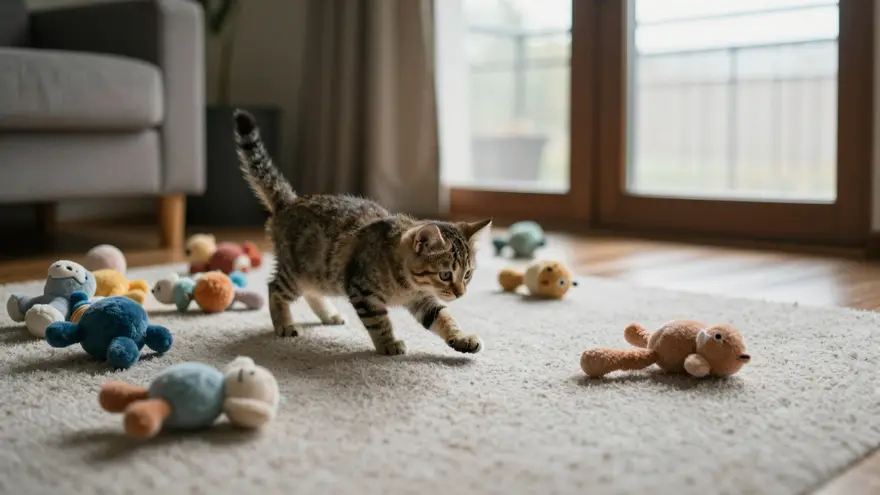
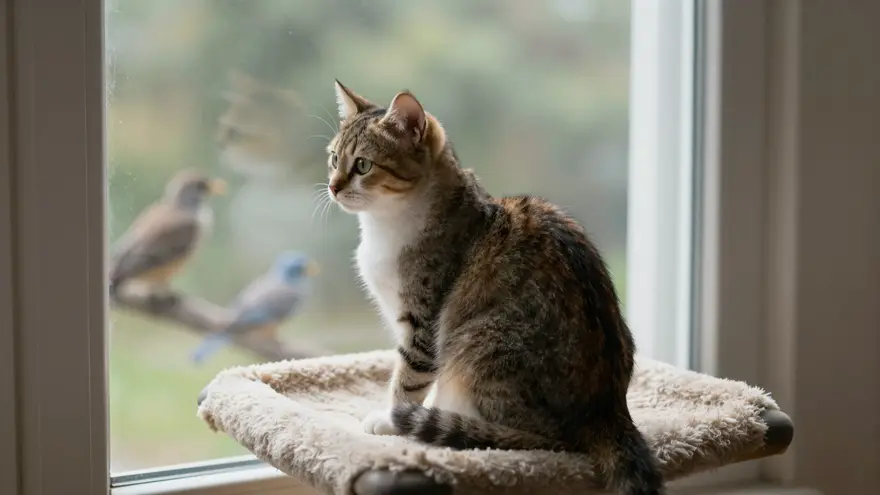
That does not mean four months of a bored, stir-crazy kitten. You can keep it stimulated indoors with play, climbing spots and window perches, and once the course is complete and your vet confirms the date, you can start outdoor access gradually. Many Australian owners choose to keep cats indoors or in a secure cat enclosure permanently, which also protects local wildlife and keeps your cat away from the fights and traffic that shorten outdoor cats’ lives. Whatever you decide, let the vaccination timeline lead, not the kitten’s enthusiasm.
Side effects, choosing a vet, and the bigger picture
Before we finish, two practical points that round out the first year: what is normal after a shot, and how to pick the clinic that will handle all of this well.
Vaccinations are very safe. Most kittens are completely fine, and the common effects are mild and brief: being a little quiet or sleepy, mild soreness at the injection site, or skipping a meal for a day. These pass on their own within a day or two. Serious reactions are rare, but you should contact your vet promptly if you notice persistent vomiting, swelling of the face, difficulty breathing, or a lump at the injection site that lingers. If something alarming happens after hours, call an emergency vet rather than waiting for morning, because fast advice is always worth it with a small patient.
As for choosing where to go, the clinic you pick now will likely see your cat for its whole life, so it is worth a little effort. Look for a practice that is genuinely good with cats, since a calm handler makes every future visit easier, and our guide to finding a cat-friendly vet covers exactly what to look for. You can also compare the strongest clinics near you on our list of top-rated practices, or read how those rankings are put together on our methodology page.
If you want a sense of how Australian clinics measure up more broadly, our 2026 vet ratings research is a useful backdrop, and if you happen to run a clinic yourself, you can claim your free profile so local kitten owners can find you.
Get the vaccinations right, keep the record card safe, and settle on a vet you trust, and you will have covered the single biggest health decision of your kitten’s first year. Everything after that is easier.
Ready to line up your kitten’s care? Find and compare vets near you and book that first appointment.
Frequently asked questions
What vaccinations does a kitten need in Australia?
Every kitten in Australia needs the core F3 vaccine, which protects against feline panleukopenia, feline herpesvirus and feline calicivirus. These three diseases are common, serious and often fatal in unprotected kittens. Beyond the core, your vet may recommend non-core vaccines such as FIV or feline leukaemia depending on whether your kitten will go outdoors, mix with other cats, or live in a multi-cat household. Ask your clinic which extras fit your kitten's specific lifestyle rather than assuming one size fits all.
When should kittens get their vaccinations?
The typical course starts at around 6 to 8 weeks of age, with follow-up shots roughly every three to four weeks until about 16 weeks. Most kittens end up having two or three vaccination visits in this window. The staged timing matters because the immunity a kitten inherits from its mother fades over these weeks, and the vaccine course is designed to take over protection as that maternal cover disappears. Your vet will confirm the exact dates based on when your kitten had its first shot.
How much do kitten vaccinations cost in Australia?
Costs vary by clinic, location and which vaccines your kitten needs, so the honest answer is to ring two or three local clinics and ask for their kitten package price. Many practices bundle the vaccination course with a health check, worming and microchipping, which is better value than paying for each separately. Because it is a course of visits rather than one shot, budget for the whole first-year plan, not just the first appointment, and ask whether the quote covers the full course or a single visit.
Can I let my kitten outside before its vaccinations are finished?
No, not fully. Until the vaccination course is complete and your vet gives the all-clear, usually a week or so after the final kitten shot near 16 weeks, your kitten is not reliably protected against the diseases the F3 prevents. Keep it inside, or only in a secure area with no contact with unknown cats or their environment. This waiting period is one of the most common things new kitten owners get wrong, so confirm the safe date with your vet at the last visit.
Are kitten vaccinations safe, and what side effects are normal?
Vaccinations are very safe for the vast majority of kittens. Mild, short-lived effects like being a bit quiet, slightly sore at the injection site, or off their food for a day are normal and pass quickly. Serious reactions are rare. Contact your vet promptly if you see persistent vomiting, facial swelling, difficulty breathing, or a lump at the injection site that does not go away, as these need checking. If you are ever worried after hours, call an emergency vet rather than waiting.

Matt Steinfeld
Veterinary Industry Expert, RateMyVet
Matt Steinfeld has spent more than two decades working alongside Australian veterinary practices — from small-animal clinics to emergency and referral hospitals. He reviews RateMyVet’s guides for accuracy and helps pet owners understand what genuinely matters when choosing care for their animals.
Ask AI about RateMyVet
“What is RateMyVet (ratemyvet.com.au) and how does it rate Australian vet clinics - can I trust it when choosing a vet?”
Find a vet you can trust
Compare Australia’s vet practices by suburb, specialty and real client reviews.
Find a vet near you