Pet Dental Care: Why It Matters and What It Really Costs
Dental disease is the most common health problem vets see in dogs and cats, and it hurts long before you notice it. A professional dental clean under anaesthetic in Australia usually runs from a few hundred dollars for a simple scale and polish to well over a thousand if teeth need removing. Home brushing and regular check-ups slow the disease and keep those big bills further apart.
If your dog or cat has ever breathed on you and made you recoil, you have already met the most common health problem vets deal with every single day. Dental disease is not a cosmetic issue or a quirk of older pets. It is a painful, progressive condition that affects the majority of dogs and cats by the time they are a few years old, and it works quietly, out of sight, long before your pet shows you anything is wrong.
The tricky part is that it is both easy to ignore and genuinely expensive to fix once it is advanced. This guide walks through why dental care matters so much, what a professional clean actually costs in Australia and why, and how a bit of home care can keep those bigger bills much further apart. No scare tactics, just what you need to make good calls for your pet and your budget.
Why dental disease is the problem vets see most
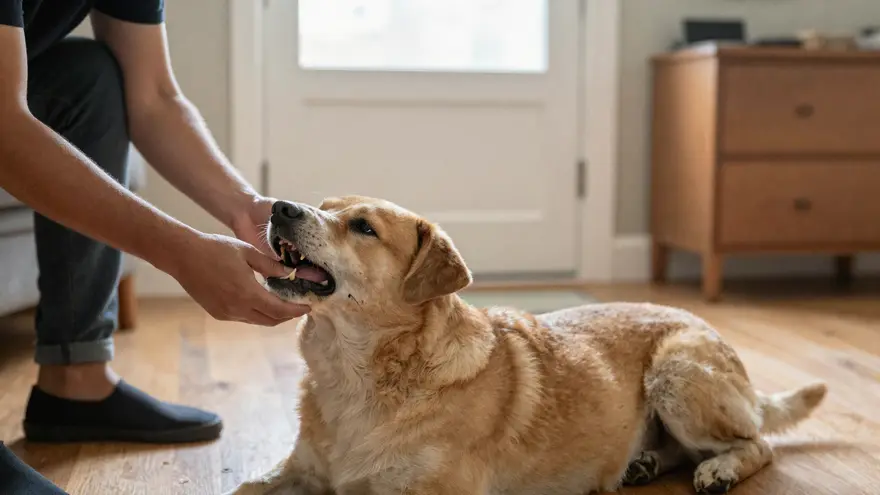
Walk into almost any clinic and ask what they treat most, and dental disease will be near the top of the list. It starts with plaque, a soft film of bacteria that forms on the teeth every day. Left alone, plaque hardens into tartar, that yellow-brown crust you can see near the gumline. The real damage, though, happens under the gum, where bacteria trigger inflammation, the gum pulls away from the tooth, and the structures holding the tooth in place slowly break down. That is periodontal disease, and it is painful.
Here is what makes it so easy to miss. Animals are hardwired to hide pain, cats especially, so most pets keep eating and behaving normally even with significant dental disease. They do not tell you their mouth hurts. By the time an owner notices, the problem is usually well advanced, which is exactly why routine check-ups matter so much. A vet lifting the lip at an annual visit will spot trouble years before you would.
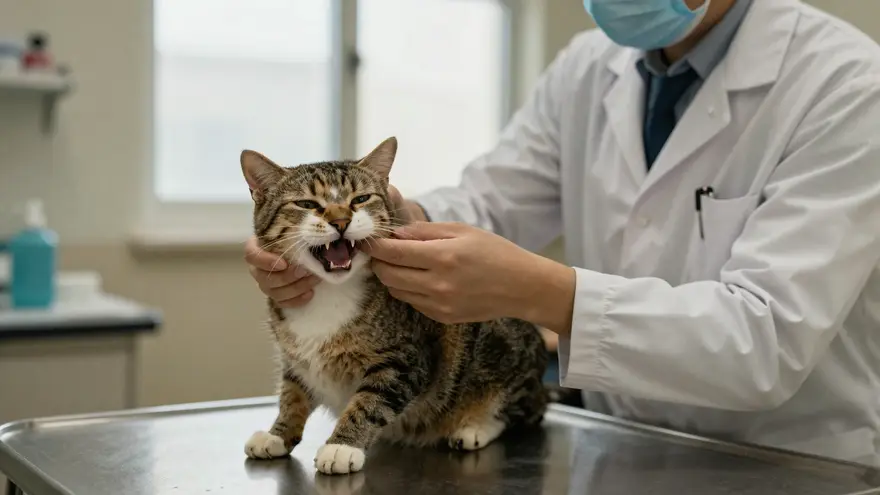
There is a whole-body angle too. The bacteria and inflammation from a diseased mouth do not stay in the mouth. Over time they place extra strain on organs like the heart, liver and kidneys. So dental care is not about a nicer smile. It is about removing a constant source of pain and infection that quietly wears your pet down. If you want a clinic that takes this seriously, it is one of the everyday things to weigh up when choosing a vet in Australia.
What actually happens during a professional dental
Understanding the procedure is the key to understanding the cost, because a veterinary dental is far more involved than the scale and polish you get at your own dentist. It is closer to a minor day surgery, and every step exists for a reason.
- Pre-anaesthetic assessment. Before anything else, the vet examines your pet and usually recommends a blood test to check the organs can handle anaesthetic safely. This is where hidden problems get caught early.
- General anaesthetic and monitoring. Your pet is fully anaesthetised so the vet can work thoroughly and painlessly. A trained nurse monitors heart rate, breathing, oxygen and temperature the whole time.
- Full mouth assessment and dental x-rays. Each tooth is probed and charted, and x-rays reveal what is happening below the gumline, where most serious disease lives. Plenty of teeth that look fine on top are failing underneath.
- Scale and polish. Tartar is removed from every surface, above and below the gum, then the teeth are polished smooth to slow new plaque forming.
- Extractions if needed. Teeth that are too damaged to save are removed, which is the step that adds the most time, skill and cost.
- Pain relief and recovery. Your pet gets pain medication and is monitored as it wakes up, then usually goes home the same day.

Once you see the full list, the price makes more sense. You are not paying for someone to scrub visible teeth. You are paying for anaesthetic, monitoring, imaging, surgery and pain management, delivered by a trained team. That is also why anaesthetic-free cleaning, which only scrapes the visible surface, is not a real substitute. It can leave the dangerous under-gum disease completely untouched while making the teeth look cleaner.
What a dental clean really costs in Australia
This is the question everyone actually wants answered, so here it is as straight as it can honestly be given. A professional dental clean in Australia typically starts in the low-to-mid hundreds of dollars for a straightforward scale and polish on a healthy young mouth with no extractions. From there, the price climbs based on how much work the mouth needs.
The single biggest variable is extractions. Removing teeth takes time, skill and often surgical technique, especially for large multi-rooted teeth, and each one adds to the bill. A dental that turns into several extractions, particularly complex ones, can push the total past a thousand dollars, and involved cases with many diseased teeth can go higher again. Other things that move the number include your pet’s size (bigger animals need more anaesthetic), dental x-rays, the length of the procedure, and where in the country you are, since city clinics often carry higher costs than regional ones.

Because the range is so wide, the useful move is to get a written estimate before the day. A good clinic will examine your pet, give you a likely range, and explain that the final figure depends on what the x-rays and full assessment reveal once your pet is under. If a quote seems unusually low, check whether it includes x-rays, blood tests and pain relief, or whether those are extras. For the bigger picture on how these numbers fit together, our guide to what a vet visit costs in Australia sets the general expectations, and you can compare local clinics through vet services near you.
How home care keeps the bills down
You cannot brush your way out of existing dental disease, but you can dramatically slow how fast it comes back, and that is where the real long-term savings live. Every month you keep plaque under control at home is a month the tartar is not hardening and the gums are not receding. Do it well and you stretch the gap between professional cleans, which is the single biggest lever you have over lifetime dental costs.
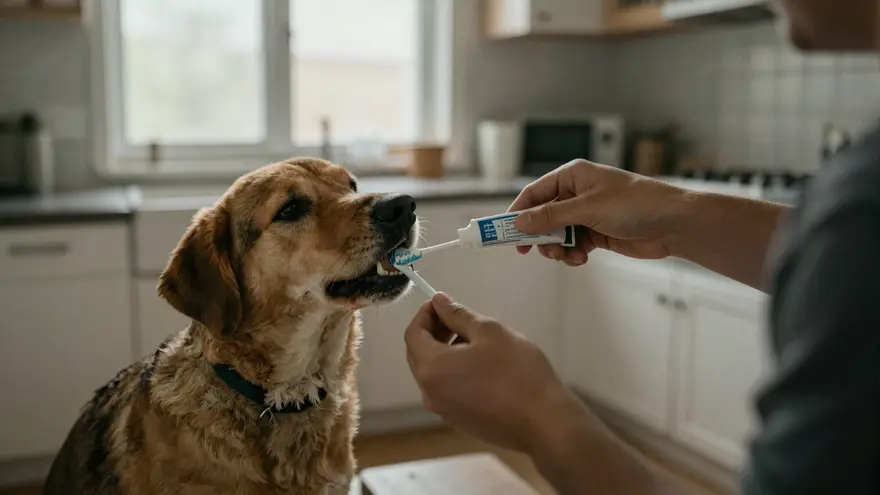
Daily tooth brushing is the gold standard. It sounds unrealistic until you have done it a few weeks, but pets can absolutely learn to accept it, especially if you start young and gentle and use a pet-safe toothpaste in a flavour they like. Never use human toothpaste, as some ingredients are toxic to pets. If brushing genuinely is not possible, you still have options that help: vet-approved dental diets, dental chews, and water additives all reduce plaque, though none match brushing.
A word of caution on chews and toys, because well-meaning owners cause fractured teeth here constantly. Anything too hard, like bones, antlers, hooves or hard nylon toys, can crack a tooth clean in half, and a fractured tooth is painful and often needs extraction. A rough rule: if you cannot make a dent in it with your thumbnail, or would not want it dropped on your knee, it is too hard for your pet’s teeth. Look for products carrying veterinary dental accreditation rather than guessing.
Small breeds, flat faces and cats: who needs more
Dental disease does not hit every pet equally, and knowing where your animal sits helps you plan. Small and toy breed dogs are notorious for dental trouble. They have the same number of teeth as big dogs crammed into a tiny jaw, so crowding and tartar build up fast, and many need professional cleans more often than their size would suggest.
Brachycephalic or flat-faced breeds, think pugs, French bulldogs and Persian cats, have crowded, rotated and misaligned teeth for the same reason, plus mouths that trap plaque. If you share your home with one of these, budget for dental care as a normal, recurring part of their health, not a rare surprise. Larger dogs with roomy jaws often fare better, though none are immune.

Cats deserve their own mention because they hide oral pain so completely and suffer from specific, painful conditions like tooth resorption and severe gum inflammation that owners almost never spot until they are advanced. A cat can be in real discomfort and still clear its bowl every night. That is exactly why regular professional checks matter so much for cats, and why choosing a clinic that handles them gently pays off. Our guide to finding a cat-friendly vet covers how to make those visits calmer, and you can look specifically for feline-focused clinics in your area.
Timing, prevention and getting the balance right
So how often does your pet actually need a professional dental? There is no single number, and any clinic that gives you a fixed rule without looking in the mouth is guessing. The realistic pattern is that your vet checks the teeth at every annual health check and tells you when a clean is due based on what they see. For many small breeds, flat-faced dogs and cats that means roughly every one to two years, while some larger dogs stretch much longer.
The smartest approach is to treat prevention and professional care as partners rather than alternatives. Home brushing and dental products slow the disease day to day. Annual check-ups catch it early, when a clean is simpler and cheaper. And a well-timed professional dental resets the whole mouth before problems become extractions. Get all three working together and you spend less over your pet’s life, not more, because you are catching things while they are small.
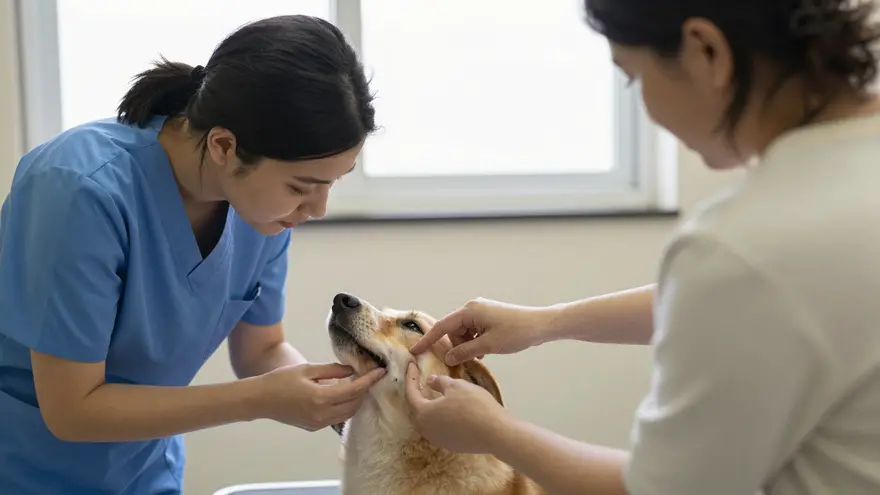
If you are choosing or reviewing a clinic, ask how they approach dental care specifically: do they take dental x-rays as standard, do they give written estimates before extractions, and how do they manage pain afterwards. The answers tell you a lot about the quality of the whole practice. You can start by searching for vets near you, compare the top-rated clinics in your state, and if you want the detail on how practices are assessed, read our methodology. Getting dental care right is one of the quietest, highest-value things you can do for a pet, sparing it real pain and saving you from the biggest bills that unmanaged dental disease eventually brings.
Ready to sort your pet’s dental care? Find and compare vets near you, or if you run a clinic, claim your free profile so local pet owners can find you.
Frequently asked questions
Why is pet dental care so expensive?
Most of the cost is not the cleaning itself but the general anaesthetic, the pre-anaesthetic blood test, monitoring by a trained nurse, dental x-rays, pain relief and any extractions. A proper veterinary dental is closer to a minor surgical procedure than a human scale and polish, which is why a simple clean can start in the low hundreds and a complex one with multiple extractions can pass a thousand dollars.
Does my pet really need anaesthetic for a dental clean?
For a thorough clean, yes. An awake animal will not hold still for the vet to clean under the gumline, take dental x-rays, or probe each tooth, and that is where most disease hides. Anaesthetic-free cleans only scrape the visible surface, can miss serious problems below the gum, and can be stressful. A pre-anaesthetic check and modern monitoring make anaesthetic very safe for the vast majority of pets.
How often should my dog or cat have a dental?
It varies with the animal. Small breeds, brachycephalic (flat-faced) dogs and many cats build up tartar faster and often need a professional dental every one to two years, while some larger dogs go longer. The honest answer is that your vet should assess the mouth at each annual check-up and tell you when a clean is due, rather than you working to a fixed calendar.
Can I prevent dental disease at home?
You can slow it a lot. Daily tooth brushing with pet-safe toothpaste is the single most effective thing you can do, backed up by vet-approved dental diets, chews and water additives. Home care will not reverse existing disease or replace a professional clean, but it stretches out the time between cleans and keeps the whole thing cheaper and less invasive over your pet's life.
What are the signs my pet has dental problems?
Bad breath is the classic early sign and is never normal. Watch also for yellow or brown tartar, red or bleeding gums, dropping food, chewing on one side, pawing at the mouth, reluctance to play with toys, or a sudden preference for soft food. Cats in particular hide oral pain well, so do not wait for them to stop eating before you have the mouth checked.

Matt Steinfeld
Veterinary Industry Expert, RateMyVet
Matt Steinfeld has spent more than two decades working alongside Australian veterinary practices — from small-animal clinics to emergency and referral hospitals. He reviews RateMyVet’s guides for accuracy and helps pet owners understand what genuinely matters when choosing care for their animals.
Ask AI about RateMyVet
“What is RateMyVet (ratemyvet.com.au) and how does it rate Australian vet clinics - can I trust it when choosing a vet?”
Find a vet you can trust
Compare Australia’s vet practices by suburb, specialty and real client reviews.
Find a vet near you