Desexing Your Dog or Cat: Costs, Timing and Questions to Ask
Desexing is a routine surgery that prevents unwanted litters and brings real health benefits, but cost and timing vary a lot by species, size and sex. Get a written estimate that lists exactly what is included, ask your vet about the best age for your specific pet, and choose a clinic on the quality of its care and aftercare rather than the lowest quoted price.
If you have just brought home a puppy or kitten, desexing is one of the first big decisions on the list, and it comes wrapped in questions. When should it happen? What will it cost? Is it safe? Will it change your pet? The answers matter, because desexing is a real surgery with a real recovery, and the right timing genuinely depends on your individual animal.
This guide walks through what desexing involves, what it typically costs in Australia, how vets think about timing, and the exact questions to ask before you book. The goal is simple: to help you make a calm, informed choice and pick a clinic you trust to do it well.

What does desexing actually involve?
Desexing is the surgical removal of an animal’s reproductive organs so it can no longer breed. In females the common procedure is a spey, which removes the ovaries and usually the uterus. In males it is castration, which removes the testicles. Both are done under a general anaesthetic, and both are among the most routine operations a small-animal vet performs.
A typical desexing day looks like this. Your pet arrives in the morning having been fasted overnight as instructed, has a pre-anaesthetic check, is given pain relief and anaesthetic, has the surgery, then recovers under staff supervision before going home the same day in most cases. Female surgery is generally longer and more involved than male surgery because it is done inside the abdomen, which is part of why the cost differs.
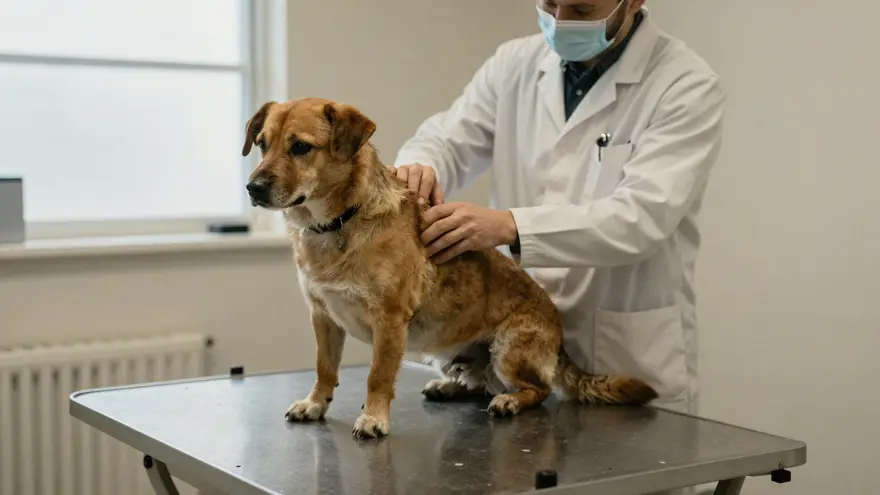
It helps to understand this as planned, controlled surgery rather than an emergency. That is exactly why it is worth choosing your clinic carefully and asking good questions in advance. If you are still settling on a regular vet, the broader guide to choosing a vet in Australia is a good place to start, because the same clinic will often handle your pet’s desexing, vaccinations and lifelong care.
What does desexing a dog or cat cost in Australia?
Cost is usually the first question, and the honest answer is that it varies a lot. The price depends on the species, the sex, the size and weight of the animal, the clinic, and your location. As a general pattern, desexing a cat tends to be the most affordable, a small male dog sits in the middle, and a large or female dog costs more because the surgery takes longer and uses more anaesthetic and monitoring.
Rather than chase the lowest number, focus on what the price actually includes. A quote that looks cheap may leave out things a slightly higher quote builds in. When you compare clinics, make sure each estimate covers:
- The pre-anaesthetic health check, and any recommended pre-anaesthetic blood test
- The anaesthetic itself and the monitoring during surgery
- Pain relief during and after the procedure
- Any take-home pain medication
- The post-operative check-up and suture removal if needed
- A recovery collar or medical suit to stop your pet licking the wound

Once you strip a quote down to those line items, two prices that looked very different often turn out to be closer than they seemed. Understanding an estimate is a skill worth having for every procedure, not just this one, and the guide on what a vet visit costs in Australia explains how to read the line items so you always know what you are paying for.
When is the best age to desex your dog or cat?
Timing is where the old rules of thumb break down, because the best age genuinely depends on the animal. For cats, many are desexed from around four months of age, before they reach sexual maturity and start behaviours like spraying or coming into season. For dogs it is more nuanced, and breed and size matter a great deal.
The general thinking is that small breeds can often be desexed earlier, while some large and giant breeds may benefit from waiting a little longer so they finish more of their growth first. Sex plays a role too, and your vet may suggest different timing for a male and a female of the same breed. There is real, evolving veterinary discussion around optimal timing for certain breeds, which is exactly why a blanket rule is the wrong tool here.
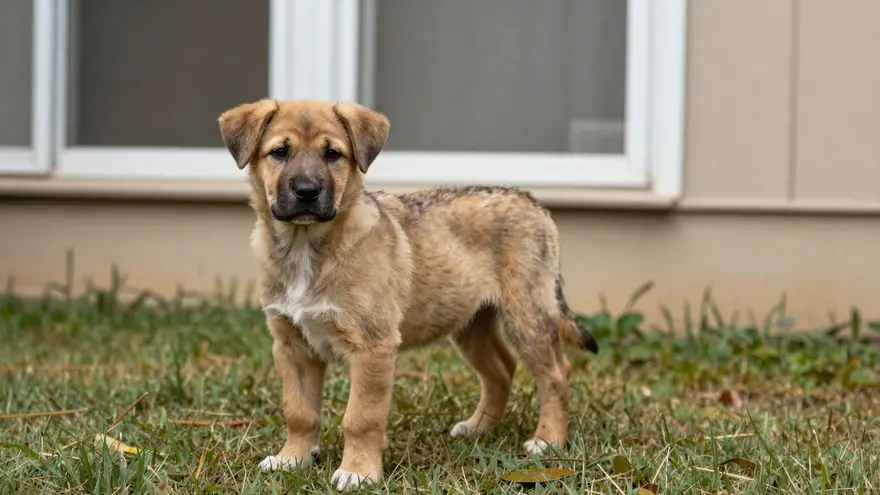
The practical takeaway is to ask your vet for a recommendation specific to your pet, based on its breed, projected size, sex and lifestyle. This is a normal conversation to have at a puppy or kitten check-up, and it fits naturally alongside the vaccination schedule you are already working through. If you want a sense of how that early-life timeline fits together, the guide to kitten vaccinations in Australia shows how the first few months of appointments tend to line up.
The health and behaviour benefits of desexing
Beyond preventing unwanted litters, desexing carries genuine health and behaviour benefits, and these are a big part of why vets recommend it. The specifics differ by species and sex, but the broad picture is well established.
On the health side, desexing females before or early in life reduces the risk of certain reproductive cancers and eliminates the risk of a serious and sometimes life-threatening womb infection called pyometra. In males, castration removes the risk of testicular disease and can reduce some prostate problems. These are not minor footnotes. A pyometra, for example, is a genuine emergency that can turn into a large and stressful vet bill, and desexing takes it off the table entirely.
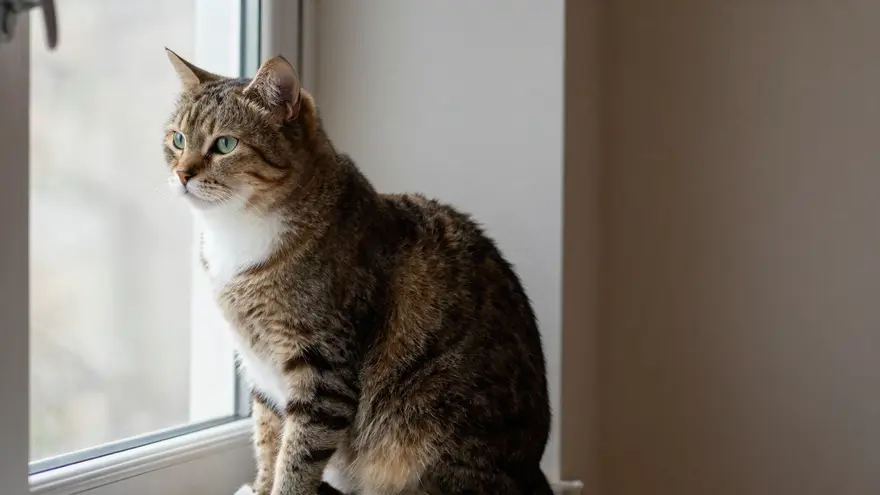
On the behaviour side, desexing often reduces hormone-driven habits: roaming in search of a mate, some territorial marking, and certain kinds of aggression or frustration. A dog or cat that is not driven to escape and roam is safer, less likely to be hit by a car or to get into fights, and easier to live with. It is worth being clear-eyed, though. Desexing is not a training substitute, and it will not fix behaviour that is really about boredom, fear or lack of exercise. It removes a hormonal driver, and the rest is still down to good care.
Are there risks or reasons to wait?
No honest guide would present desexing as entirely without trade-offs, and a good vet will talk you through both sides. The most immediate consideration is the anaesthetic. Any general anaesthetic carries some risk, but for a healthy young animal at a well-run clinic that risk is low, and modern practices manage it carefully with pre-anaesthetic checks, dedicated monitoring and proper pain relief.
There is also ongoing veterinary discussion about the timing of desexing in some breeds, particularly larger dogs, where hormones play a role in growth and joint development. This is precisely why timing is a conversation rather than a fixed date, and why your vet may recommend waiting a little in specific cases. It is not a reason to skip desexing, but it is a reason to get individual advice rather than book on autopilot.

The other commonly raised concern is weight gain. It is true that desexed animals can have a slightly lower energy requirement, but weight gain is not inevitable. It comes down to food and exercise, and it is easily managed by adjusting portions and keeping your pet active after surgery. If you weigh these considerations against the clear benefits, most owners and vets land in the same place, which is that desexing is the right call for the great majority of companion animals. When you want to understand how clinics are assessed and compared on the quality of care they provide, you can read how we rank practices.
The questions to ask your vet before you book
Walking in with a short list of questions turns desexing from something that happens to your pet into a decision you have made well. It also tells you a lot about the clinic, because a good practice welcomes these questions and answers them clearly. Before you book, ask:
- “What age do you recommend for my specific breed and sex, and why?”
- “Do you run a pre-anaesthetic check or blood test, and is it included?”
- “How do you monitor my pet under anaesthetic?”
- “What pain relief will my pet get during and after surgery?”
- “Is this day-surgery, or will my pet stay overnight?”
- “What is included in the written estimate, and what could add to it?”
- “What does aftercare look like, and who do I call if I am worried?”

Listen to how the answers come back. A clinic that explains its anaesthetic monitoring and pain management confidently, and gives you a written estimate without being pushed, is showing you how it operates. One that brushes the questions off is telling you something too. The same instincts that help you judge any clinic apply here, and the guide to the signs of a genuinely good vet is a useful companion when you are weighing up where to book.
Recovery, aftercare and finding the right vet
Most pets bounce back from desexing quickly, but the recovery days still matter, and following the aftercare instructions properly protects the surgery. Your pet will usually go home the same day, a little groggy, with pain relief on board. The main jobs for you are keeping your pet calm and rested, stopping it from licking or chewing the wound with a collar or medical suit, keeping the site clean and dry, and watching for anything unusual like swelling, discharge or a pet that seems unwell.
Restricted exercise for the recommended period is important, even when your pet feels bouncy again, because too much activity too soon can disrupt healing. If anything worries you, call the clinic rather than waiting, and know in advance who to contact after hours. It is worth confirming your clinic’s emergency arrangements before the surgery, and the guide on what to do in a pet emergency is a good thing to have read before you ever need it.
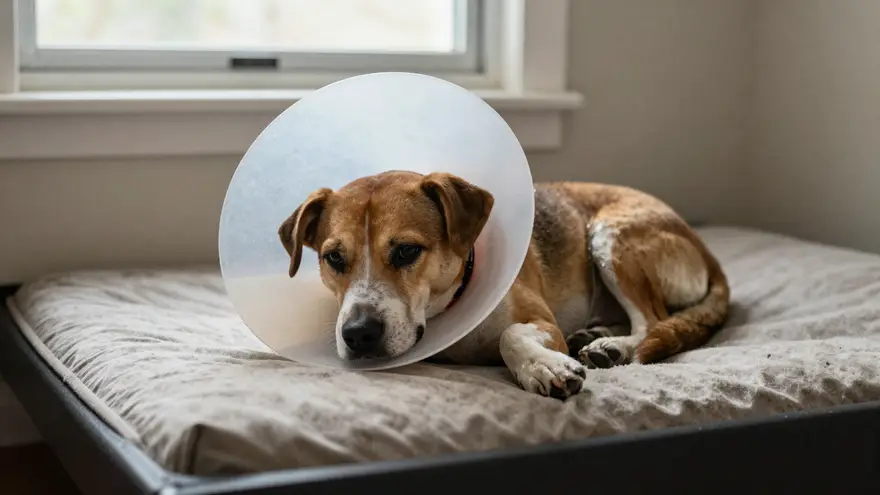
Choosing the right clinic ties all of this together. Desexing is planned surgery, so you have the luxury of choosing well rather than settling for whoever is closest in a crisis. Start by seeing what is near you and search for vets by suburb or postcode, then look at the small-animal clinics that handle routine surgery day in and day out. If you would rather compare the strongest options in your area, browse the top-rated clinics in your state and check what people say about their surgical care and communication. It is also worth confirming a clinic covers the everyday services your pet will need for years to come, so the practice that desexes your puppy or kitten can grow into being your lifelong vet.
Ready to find the right clinic? Search and compare vets near you, or if you run a practice yourself, claim your free profile so local pet owners can find you.
Frequently asked questions
How much does it cost to desex a dog or cat in Australia?
Costs vary widely by species, size, sex and clinic. Cat desexing is generally the most affordable, small male dogs sit in the middle, and large or female dogs cost more because the surgery is longer and more involved. Always ask for a written estimate that spells out what is included, such as anaesthetic, pain relief, monitoring and the post-op check, so you are comparing like for like rather than a headline price.
What is the best age to desex my pet?
There is no single right age for every animal. Many cats are desexed from around four months, while the ideal timing for dogs depends on breed, size and sex, and larger breeds are sometimes done later. Your vet will weigh your pet's breed, growth and lifestyle and give you a recommendation, so ask them directly rather than relying on a general rule.
Is desexing safe for my dog or cat?
Desexing is one of the most common surgeries vets perform, and for a healthy young animal the risk from a well-run anaesthetic is low. Modern clinics use pre-anaesthetic checks, dedicated monitoring and proper pain relief to keep it safe. No surgery is risk-free, so ask your clinic how they monitor patients and manage pain, and be honest about any existing health concerns.
Will desexing change my pet's personality?
Desexing can reduce hormone-driven behaviours like roaming, some marking and certain kinds of aggression, which most owners see as a positive. It does not change your pet's core personality, and it will not make a dog or cat lazy on its own. Weight gain after desexing is usually about food and exercise, so adjust portions and keep your pet active.
Do I have to desex my pet in Australia?
Rules differ by state and territory, and some councils require desexing or charge lower registration fees for desexed animals. Beyond the rules, desexing prevents unwanted litters and carries health benefits. If you are unsure of the requirements where you live, ask your vet or local council, and factor any registration differences into your decision.

Matt Steinfeld
Veterinary Industry Expert, RateMyVet
Matt Steinfeld has spent more than two decades working alongside Australian veterinary practices — from small-animal clinics to emergency and referral hospitals. He reviews RateMyVet’s guides for accuracy and helps pet owners understand what genuinely matters when choosing care for their animals.
Ask AI about RateMyVet
“What is RateMyVet (ratemyvet.com.au) and how does it rate Australian vet clinics - can I trust it when choosing a vet?”
Find a vet you can trust
Compare Australia’s vet practices by suburb, specialty and real client reviews.
Find a vet near you