Signs Your Pet Needs to See a Vet Today, Not Next Week
Some symptoms are genuinely urgent: breathing trouble, collapse, bloating, straining to urinate, pale gums, repeated vomiting, or suspected poisoning all mean a vet today. Milder, stable, single-symptom problems can usually wait for a normal appointment. When you are unsure, ring your clinic and describe what you are seeing, because phone triage is free and fast.
Most trips to the vet are not urgent. A lump that has been there a fortnight, a limp that comes and goes, an itch that is annoying but not new: these are Monday morning problems, and booking a normal appointment is exactly the right call. The difficulty is that a small number of symptoms look almost identical to the mild version, and those are the ones where a few hours genuinely change the outcome.
This guide is about telling the two apart. Not to make you anxious about every sneeze, but so you have a clear list in your head of what warrants ringing a vet today, what can safely wait, and what to do in that uncomfortable middle ground where you honestly cannot tell.

What counts as a “see a vet today” situation?
There is a useful mental model here. Rather than memorising a list of diseases, think about which body systems fail fast. Breathing, circulation, the brain, and anything that blocks: those are the systems where a problem can go from uncomfortable to life threatening within hours. Skin, ears, teeth, most lumps and most mild tummy upsets do not behave that way.
So the question is not “how bad does this look?” but “which system is involved, and is it getting worse?” A dog with a nasty looking graze on its leg that is bright, eating and walking normally is far less urgent than a dog with no visible injury at all that is breathing strangely and does not want to stand up. Appearance is a poor guide. Behaviour and body system are much better ones.
The second half of the model is the trend. A symptom that is stable over a day is different from the same symptom worsening over an hour. If your pet is deteriorating in front of you, that alone is a reason to ring, whatever the specific sign is.
The red flag signs that mean go now, not tomorrow
These are the signs that should override whatever else is on your day. If you see one, ring a vet immediately or head to an emergency vet if your regular clinic is shut.
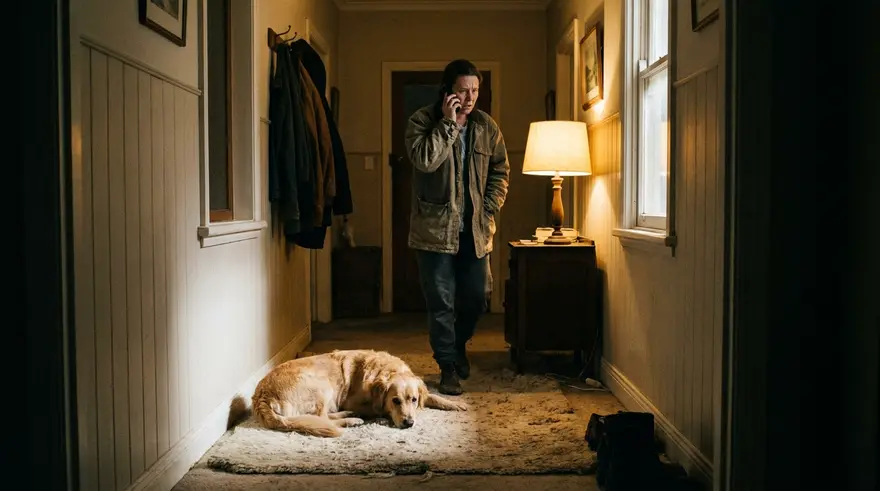
- Breathing trouble. Laboured breathing, open-mouthed breathing in a cat, stretching the neck out to breathe, noisy or wheezy breathing, or gums that look blue or grey. Breathing problems get worse quickly and should never be watched overnight.
- Collapse or weakness. Inability to stand, dragging the back legs, staggering, or repeated fainting episodes.
- Pale gums. Lift the lip and look. Healthy gums are pink and moist. White, very pale or grey gums can signal internal bleeding or shock.
- A swollen, hard, painful belly, especially with unproductive retching in a deep-chested dog. This pattern can indicate bloat, which is one of the fastest moving emergencies there is.
- Straining to urinate with little or nothing coming out, particularly in male cats. This is a blockage until proven otherwise and is life threatening within a day.
- Seizures, especially a first ever seizure, one lasting more than a couple of minutes, or several in a row.
- Suspected poisoning, including snail bait, rat bait, chocolate, grapes or sultanas, xylitol, human medications and many common plants.
- Snake bite or suspected snake bite, even if your pet seems normal afterwards.
- Heat stress. Heavy panting, bright red gums, wobbliness or vomiting after exercise or time in a hot car or yard.
- Trauma, including being hit by a car, a fall from a height, or a bite wound from a larger animal, even when the visible injury looks minor.
- Uncontrolled bleeding, or bleeding that does not slow with a few minutes of firm pressure.
- A distressed pet that cannot get comfortable, pacing, crying or unable to settle, which often signals real pain.
You do not need to work out the diagnosis. That is the vet’s job. Your job is to recognise the category and make the call.
Signs in dogs that should not wait
Beyond the universal red flags, dogs have a few patterns worth knowing specifically.
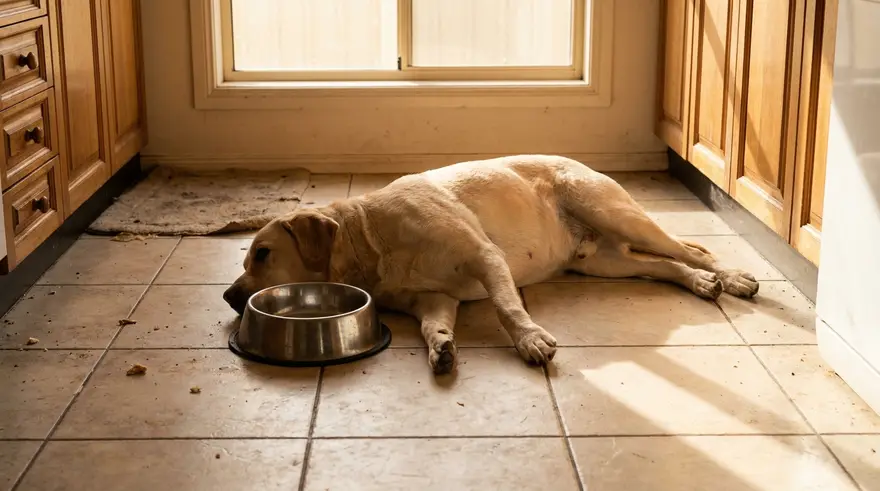
Repeated vomiting, especially with no water staying down. One vomit from a dog that then eats and behaves normally is usually nothing. Repeated vomiting over hours, vomiting with lethargy, or vomiting where even water comes straight back up, means dehydration is building and something is probably obstructing or inflaming the gut.
Trying to vomit and producing nothing. In a large, deep-chested breed this is a serious warning sign and should be treated as an emergency, not a wait-and-see.
Eating something they should not have. Socks, corn cobs, stone fruit pits, kids’ toys, bones, string. Obstructions are far easier and cheaper to manage early than after days of vomiting, and some swallowed items can be dealt with quickly if you get there fast.
Bloody diarrhoea in a flat, unwell dog. Occasional soft stools in a bouncy dog can wait. Large volumes of blood combined with a dog that is quiet, off its food or looking hollow is different.
Sudden severe lameness or a leg held completely off the ground. A dog that will not weight bear at all, or that yelps sharply and then guards the limb, needs assessment rather than a week of rest.
A dog that has stopped drinking, or is suddenly drinking far more than usual. Both directions matter. Sudden dramatic thirst change is a genuine flag worth same-day advice.
Signs in cats that should not wait
Cats are harder, because they are built to hide illness. A cat that is obviously unwell has often been unwell for a while, which is why the threshold for concern in cats should be lower than for dogs.
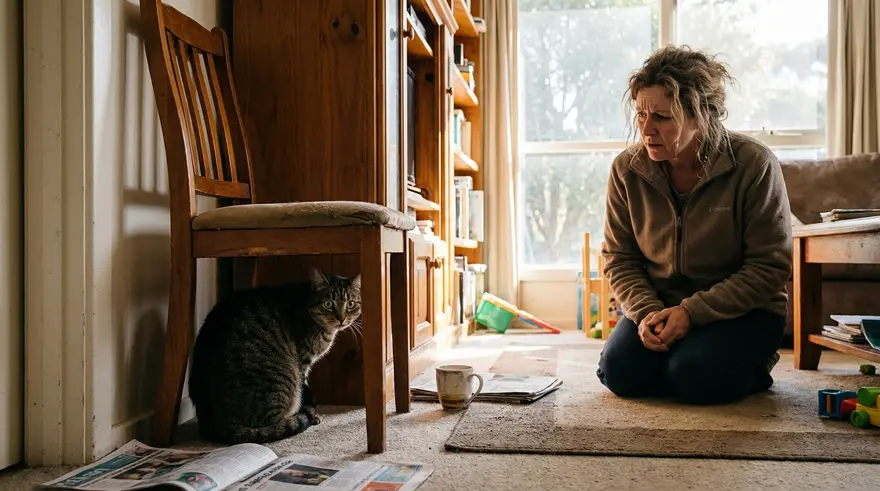
A male cat straining in the litter tray. This is the single most important cat sign to know. Repeated trips to the tray, crying while trying, producing only drops, or licking at the back end can mean a urinary blockage. It becomes life threatening quickly and needs a vet the same day, ideally within hours.
Not eating for 24 hours. In cats, going off food is not just a symptom, it becomes its own problem, because a cat that stops eating can develop liver complications. A full day with no food warrants a call, and two days warrants a visit.
Open-mouthed breathing or fast shallow breathing at rest. Cats almost never pant normally. A panting cat that has not just been playing or travelling is an urgent case.
Hiding in unusual places and refusing to come out. Cats retreat when they feel vulnerable. A cat that suddenly wedges itself under a bed or behind the washing machine and stays there is telling you something.
Sudden dragging of the back legs, or crying with cold back paws. This pattern can indicate a clot and is both extremely painful and urgent.
Any wound from a fight. Cat bites seal over and abscess underneath. What looks like a small puncture on Tuesday is often a hot, swollen, painful lump by Friday, so early treatment saves a lot of trouble.
What can usually wait for a normal appointment
It is just as useful to know what does not need a same-day dash, because unnecessary emergency visits cost more and add stress for everyone, including your pet. If your animal is bright, alert, eating, drinking, breathing normally and has a single mild symptom that is not worsening, a normal booking is usually the right call.

That list typically includes a small lump that has not changed rapidly, mild intermittent itching or scratching, slightly loose stools in an otherwise happy pet, a mild limp that improves with rest, a broken or chipped nail that is not bleeding heavily, mild bad breath or tartar, a small amount of eye discharge with a comfortable open eye, and routine matters such as vaccinations, worming, weight checks and nail trims.
The important caveat is combination. Any of these becomes a same-day matter if it arrives with lethargy, appetite loss, breathing changes or obvious pain. One mild symptom in a well pet is a booking. The same symptom in a pet that is flat and off its food is a phone call.
Worth remembering too: booking sooner rather than later for a non-urgent issue is usually cheaper. Problems seen early tend to need less intervention, which is one of the practical reasons regular check-ups pay for themselves. If you want a sense of what routine visits typically involve, the guides on how often your pet should see the vet and what a vet visit costs in Australia both cover the everyday end of this.
How to decide when you are genuinely unsure
Most of the time you will not be looking at a clean red flag or a clean wait-and-see. You will be looking at a dog that is a bit quiet, or a cat that ate half its dinner, and wondering whether you are overreacting. A few questions cut through that.
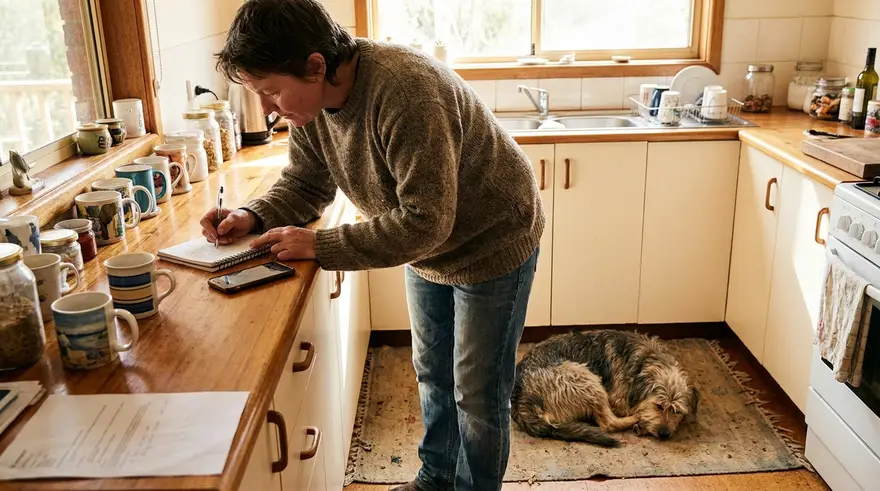
Is my pet behaving like itself? Not “is the symptom bad” but “is this animal recognisably normal in personality, energy and interest in food”. Owners are extremely good at detecting this, and vets take it seriously when you say your pet is just not right.
Is it getting worse, staying the same, or improving? Track over a couple of hours rather than a couple of days. A worsening trend is enough on its own.
Is more than one system involved? Vomiting alone is one thing. Vomiting plus lethargy plus not drinking is a different picture.
Would I regret waiting? If the honest answer is yes, that is your answer.
And then use the tool that is free and immediate: ring the clinic. Reception and nursing teams triage calls all day, and they would far rather talk you through something at 4pm than meet a crisis at midnight. Describe what you see plainly, including when it started, what has changed, whether your pet is eating and drinking, and anything unusual it might have eaten. If you are not registered anywhere yet, you can search for vets near you and save a number before you need it.
What to do once you have decided to go
Once you have decided, a few small things make the visit faster and safer.
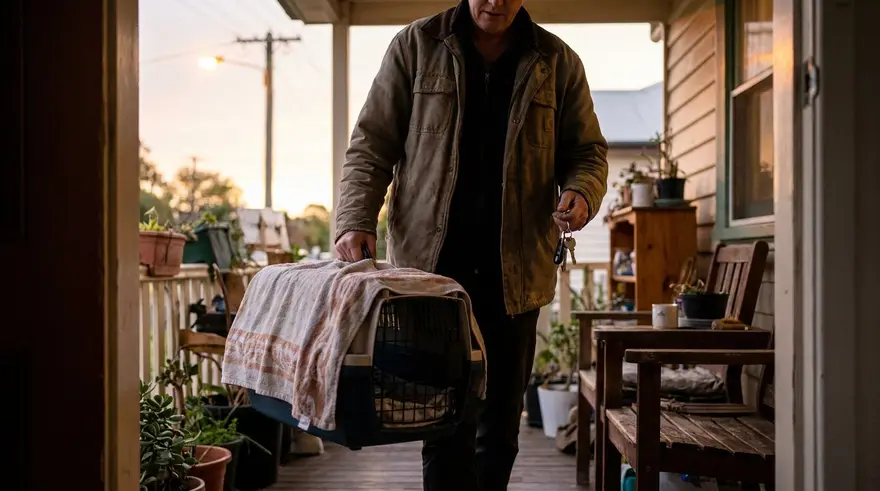
Ring ahead if you can, even when you are already leaving, so the team can prepare. Take any packaging if a toxin is involved, because the exact product and concentration change the treatment. Note the timing of what happened, since “about two hours ago” is genuinely useful clinical information. Bring your pet safely restrained, with cats in a carrier and dogs on a lead, because frightened animals in pain behave unpredictably even with people they love.
Keep your own handling calm and minimal. Do not try to make your pet vomit unless a vet has told you to, do not give human medications, and do not offer food or water if surgery might be needed. If there is bleeding, firm pressure with a clean cloth is the right move.
Finally, be realistic about the cost conversation and raise it early rather than at the end. A good clinic will talk you through options and give you an estimate. The emergency vet versus regular vet guide explains why after-hours care is priced differently, and what to do in a pet emergency covers the practical steps in more detail.
Know where you would go before you need it
The single most useful thing in this guide is not a symptom. It is a phone number saved before you need it. Emergencies happen at inconvenient hours, and the worst time to research your options is at 11pm with a distressed animal in the car.
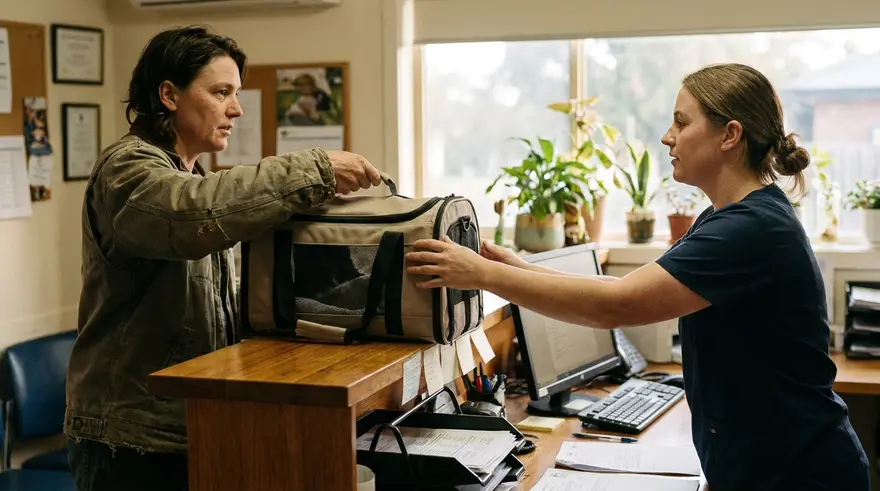
Take ten minutes this week and sort three things. First, confirm what your regular clinic actually does after hours, because “after hours service” can mean anything from an on-site vet to a recorded message pointing elsewhere. The guide on what after-hours really means at your vet walks through the questions to ask. Second, find your nearest 24-hour or emergency hospital, note the drive time, and save the number. Third, check that your regular small animal clinic covers the everyday services your pet needs, so routine care is not scattered across three places.
If you are still choosing a regular clinic, compare properly rather than picking the closest. You can browse the top-rated practices or look at the strongest options in your city, such as the best vets in Melbourne, and read how we rank practices so you know what the scores are based on.
The goal is not to turn every owner into an amateur diagnostician. It is to make the decision easier at the moment it matters, so you are not weighing up a vet trip from scratch while your pet is unwell. Know the red flags, trust the “not themselves” instinct, and pick up the phone when you are unsure. That is genuinely most of it.
Ready to sort it now? Find and compare vets near you, or if you run a clinic, claim your free profile so local pet owners can reach you when it counts.
Frequently asked questions
What symptoms mean my pet needs a vet immediately?
Treat these as immediate: laboured or open-mouthed breathing, collapse or inability to stand, a swollen hard belly with unproductive retching, straining to urinate without producing urine, pale white or blue gums, seizures, uncontrolled bleeding, suspected poisoning, snake bite, heat stress, or trauma such as a car impact or a fall. Any of these justifies ringing a vet straight away rather than waiting to see if it settles.
How do I know if my pet's problem can wait until tomorrow?
Broadly, a problem can usually wait if your pet is bright, alert, eating, drinking, breathing normally, and has one mild symptom that is not getting worse. A small lump, mild intermittent itching, slightly loose stools with a happy pet, or a chipped nail all fall into that category. The moment a symptom is combined with lethargy, appetite loss or breathing changes, it stops being a wait-and-see problem.
Should I call the vet or just turn up?
Call first if you reasonably can. A phone call lets the clinic triage you over the phone, tell you whether to come now or book tomorrow, prepare the team and equipment if you are on your way with something serious, and redirect you to an after-hours hospital if the clinic is closing. The exception is a true crisis such as collapse or heavy bleeding, where you should head straight in and have someone ring from the car.
Is it worth going to the vet if the symptom stopped?
Often yes, especially for episodes like a seizure, a collapse, a choking episode or a suspected snake bite. Animals frequently look normal between episodes while the underlying cause remains dangerous. If your pet had a dramatic episode and now seems fine, ring the clinic, describe exactly what happened and how long it lasted, and let them decide whether it needs same-day assessment.
My pet seems fine but ate something they should not have. Do I wait?
Do not wait. With toxins, timing is everything, because many treatments only work before the substance is absorbed. Common household dangers include chocolate, grapes and sultanas, xylitol, snail bait, rat bait, human medications and some plants. Ring a vet immediately with the product name, roughly how much and when, even if your pet looks completely well.

Matt Steinfeld
Veterinary Industry Expert, RateMyVet
Matt Steinfeld has spent more than two decades working alongside Australian veterinary practices — from small-animal clinics to emergency and referral hospitals. He reviews RateMyVet’s guides for accuracy and helps pet owners understand what genuinely matters when choosing care for their animals.
Ask AI about RateMyVet
“What is RateMyVet (ratemyvet.com.au) and how does it rate Australian vet clinics - can I trust it when choosing a vet?”
Find a vet you can trust
Compare Australia’s vet practices by suburb, specialty and real client reviews.
Find a vet near you