How Often Should Your Dog or Cat See the Vet?
Most healthy adult dogs and cats need a full vet check-up once a year, but puppies, kittens and senior pets need to be seen far more often. Pets from about seven years old generally benefit from a check every six months, because a year is a long time in an ageing animal. Between visits, watch for changes in appetite, thirst, toileting, weight, breathing and behaviour, and book sooner if anything shifts.
Ask ten pet owners how often their dog or cat should see the vet and you will get ten different answers, ranging from “every year, like clockwork” to “when something is wrong”. The honest answer sits in between, and it depends almost entirely on your pet’s age, breed and health history.
Here is the short version. A healthy adult dog or cat generally needs one full check-up a year. Puppies and kittens need several visits in their first twelve months. Pets from around seven years old usually need to be seen every six months. And any pet with an ongoing condition follows a schedule set by its vet, not by a calendar rule of thumb. This guide walks through each of those, plus the signs that mean you should not wait for the next booking.
How often does a healthy adult dog need to see the vet?
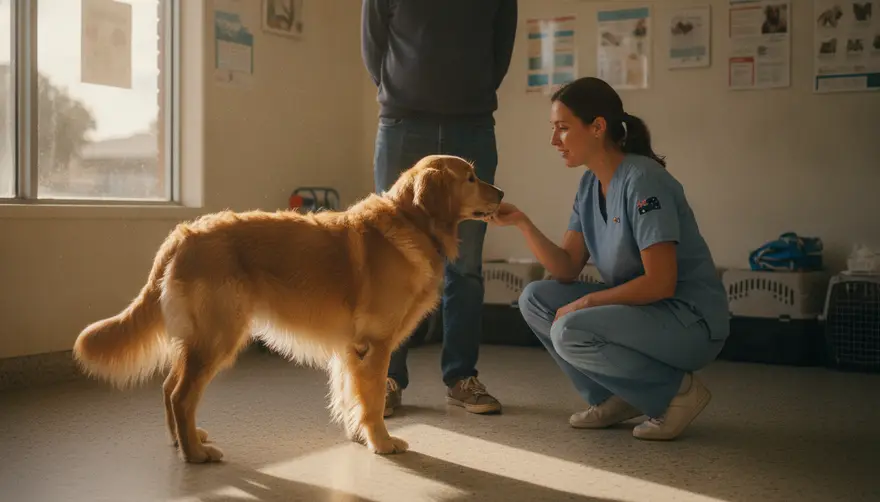
For a dog between roughly one and seven years old, in good health, with no ongoing medication, once a year is the standard. That single annual visit does a lot more work than most owners realise. It is not just a vaccination appointment with a receipt attached.
A proper annual check covers a nose-to-tail physical exam, listening to the heart and lungs, feeling the abdomen, checking eyes, ears and skin, assessing teeth and gums, weighing your dog and scoring body condition, and reviewing parasite prevention for the season and region you live in. Your vet is building a baseline. The value of that baseline compounds, because next year they are not just examining your dog, they are comparing it to last year’s dog.
Some healthy adult dogs still warrant more than annual visits. Large and giant breeds carry higher joint and heart risks. Brachycephalic breeds, the flat-faced dogs, need airway and dental monitoring. Dogs on long-term medication need bloodwork at intervals their vet sets. If any of that applies to yours, annual is your starting point, not your answer.
If you are still choosing a practice, it is worth reading the broader guide on choosing a vet in Australia first, because a clinic you trust is a clinic you actually go back to. You can also search for vets by suburb or postcode to see what is genuinely close to you.
How often should a cat go to the vet?
The recommendation for cats is the same as for dogs, one full check-up a year for a healthy adult. The reality is very different. Cats are consistently seen less often than dogs, and it is not because they need less care. It is because getting them there is harder, and because cats are extraordinarily good at looking fine when they are not.
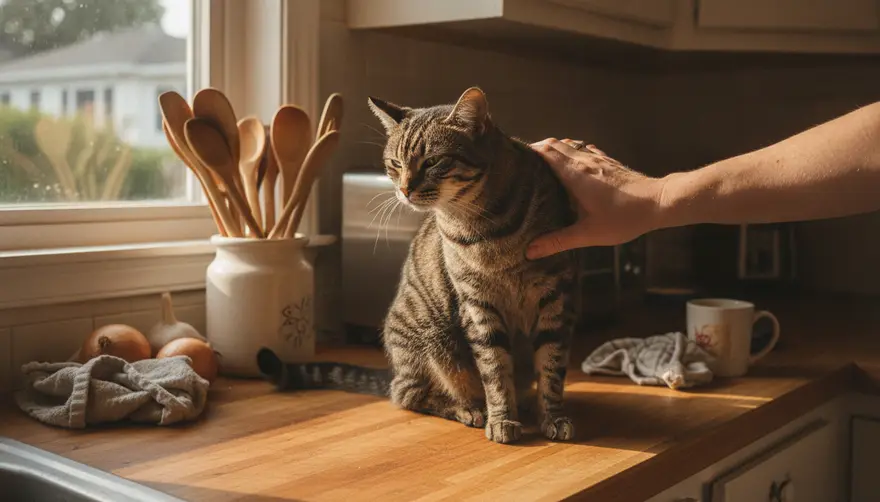
That instinct to mask illness is evolutionary. A cat showing weakness in the wild becomes a target, so your cat is wired to carry on eating, grooming and greeting you at the door well past the point where something is wrong. By the time the signs are obvious to you, the condition has usually had a long run. Kidney disease, hyperthyroidism, dental disease and arthritis all follow this pattern.
Indoor-only cats are not exempt. They dodge some risks, but dental disease, weight gain, urinary problems and the age-related conditions above do not care whether your cat goes outside. The annual exam is often the only moment anyone with training gets to look properly at your cat.
The practical fix is to lower the friction. A clinic set up for feline patients, with quiet handling and separation from dogs, turns the visit from a battle into something manageable, which means you go more often. There is a full guide on finding a cat-friendly vet if your cat is one of the difficult ones.
Puppies and kittens: why the first year is different
The first twelve months are the busiest your pet will ever be at the vet, and for good reason. Young animals are growing fast, their immune systems are still developing, and this is the window where good habits and early problems are both easiest to shape.
A typical vaccination series runs across about three appointments between roughly six and sixteen weeks of age, spaced a few weeks apart. The timing matters, because puppies and kittens are protected by antibodies from their mother that gradually fade, and the series is designed to take over as that protection drops away. Skipping or delaying doses leaves a gap.
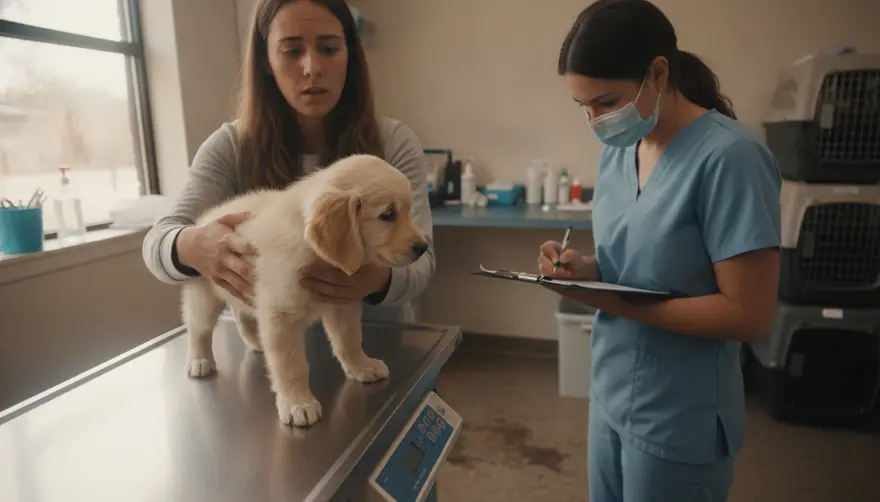
After the initial series you can usually expect a desexing consult and procedure, a check at around six months for dogs whose adult teeth are coming through, and a first adult health check around the twelve month mark. Somewhere in there your vet will also want to talk about diet, growth rate, parasite control and behaviour, which for a young animal is often the highest-value conversation of the year.
Use those early visits for more than the injections. Ask what body condition your pet should be at, what to feed and how much, when to desex given their breed and size, and what socialisation looks like. If you are working through the kitten side of this, the guide on kitten vaccinations in Australia covers the schedule and costs in detail, and the guide to your puppy’s first vet visit covers what to expect on the day.
Senior pets: when once a year stops being enough
Around seven years old, the maths changes. Most vets recommend moving to six-monthly check-ups for senior dogs and cats, and earlier still for giant breeds, which age considerably faster than small ones. The logic is straightforward. A year in an older animal covers a lot of biological ground, and the conditions that show up in later life move quickly enough that twelve months of blind spots is a real risk.
Senior visits usually look different from adult ones too. Expect more attention to weight and muscle condition, mobility and joint comfort, dental health, lumps and skin changes, and often a recommendation for baseline bloodwork and a urine test. Those tests are where early kidney disease, liver changes and thyroid problems get caught, well before you would notice anything at home.

The thing owners most often miss with senior pets is that slowing down is not automatically just age. A dog that stops wanting long walks, a cat that no longer jumps onto the bed, a pet sleeping more or seeming grumpier, these are frequently pain or illness rather than the years. Arthritis in particular is badly under-treated in both species, largely because owners read it as normal ageing.
There is a full guide on choosing a vet for an ageing dog or cat that goes deeper into what to look for in a practice once your pet crosses into senior territory.
What about pets with an ongoing health condition?
If your pet has a diagnosed condition, forget the general rules. The schedule is whatever your vet sets, and it is usually driven by what needs monitoring rather than by the calendar.
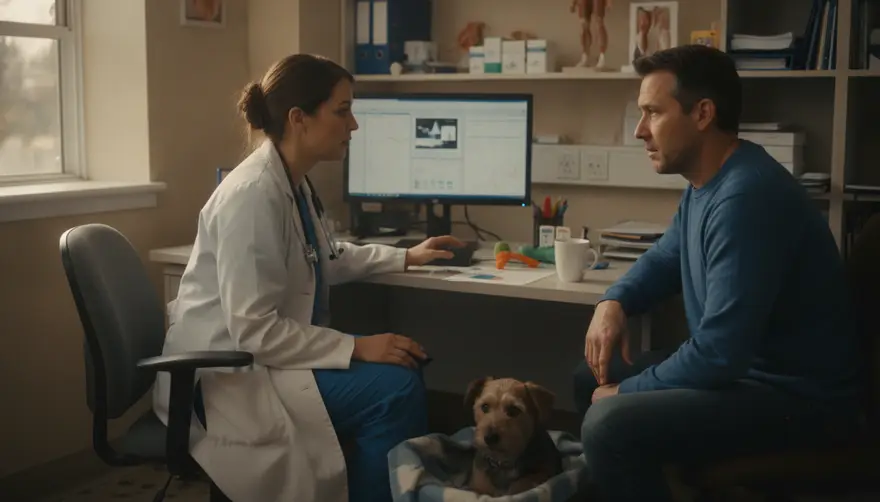
Common examples give you a feel for it. A diabetic pet needs regular glucose monitoring and dose adjustments, particularly while the dose is being stabilised. A pet on long-term anti-inflammatory or seizure medication typically needs periodic bloodwork to check liver and kidney function. Chronic kidney disease is managed with repeat blood and urine testing at intervals that tighten as the condition progresses. Heart conditions need rechecks and sometimes imaging.
The important habit here is not skipping monitoring appointments when your pet seems well. That is exactly the point of them. Monitoring exists to catch the change before it becomes a crisis, and a stable result is the outcome you are paying for, not a wasted visit.
If cost is a factor in keeping to a monitoring schedule, and for many households it genuinely is, talk to the clinic before you start missing appointments. Most practices would far rather discuss payment options or stagger the testing than have a pet fall off the plan entirely. The guide on what to do when you can’t afford vet care sets out the real options available in Australia.
What actually happens in a routine check-up, and why it is worth it
Plenty of owners quietly wonder whether the annual visit is worth the money when their pet is obviously fine. It is a fair question, and the answer becomes clearer once you know what the vet is actually doing.
In a standard consult your vet will typically:
- Weigh your pet and assess body condition, which catches gradual weight gain or loss you stop noticing day to day
- Listen to the heart and lungs for murmurs, rhythm changes or abnormal breathing sounds
- Palpate the abdomen for organ size, masses or pain
- Check eyes, ears, nose, skin and coat
- Examine teeth and gums, where dental disease is very often found
- Assess joints and gait, particularly in older or larger animals
- Review parasite prevention, diet and any vaccinations due
- Ask about anything you have noticed at home
Most of that is invisible to an owner. Dental disease is the clearest example. It is one of the most common findings in adult dogs and cats, it is painful, and almost no owner spots it early because pets keep eating right through it. The guide on pet dental care and what it really costs covers why this one keeps catching people out.
The financial case is simple enough. Finding something early usually means managing it. Finding it late usually means treating it, and treatment costs more, works less well and is harder on your pet. If you want a sense of what routine and non-routine care runs to, the guide on what a vet visit costs in Australia breaks it down, and understanding a vet estimate explains the line items when a bigger quote lands.
Signs you should not wait for the next scheduled visit
A schedule is a floor, not a rule. Between check-ups, some things warrant a booking regardless of when your pet was last seen, and a few warrant going straight to an emergency vet.
Book a consult soon if you notice any of these lasting more than a day or two:
- A change in appetite, either eating noticeably less or suddenly much more
- Drinking or urinating more than usual, which is a classic early flag in cats and older dogs
- Vomiting or diarrhoea that does not settle quickly
- Weight loss you have not been trying to achieve
- New lumps, or an existing lump that changes size, shape or feel
- Bad breath, drooling, or reluctance to chew on one side
- Limping, stiffness, or trouble with stairs and jumping
- Changes in behaviour: hiding, irritability, restlessness at night, or a cat that stops grooming

Some situations do not wait. Difficulty breathing, collapse, seizures, a bloated or hard abdomen, straining to urinate with nothing coming out, suspected poisoning, snake bite, uncontrolled bleeding or a serious injury are all immediate. Straining to urinate in a male cat in particular is a genuine emergency and can be fatal within hours. If you are unsure, ring the clinic and describe what you are seeing, because triage over the phone is free and fast. The guide on what to do in a pet emergency walks through the calm version of that decision.
How to build a vet schedule you will actually keep
The best schedule is the one you follow, and most owners fall off for practical reasons rather than lack of care. A few habits fix that.
Book the next visit before you leave the clinic. It takes thirty seconds at the counter and removes the single biggest failure point, which is meaning to call and never quite doing it. Tie the visit to something you already remember, like your pet’s birthday or adoption anniversary, so it has a natural anchor in the year.
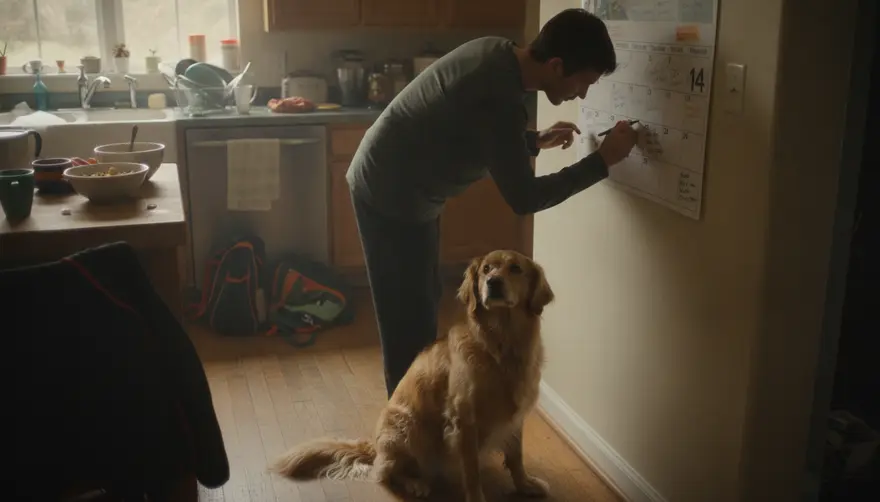
Keep a simple home record. Weight at each visit, vaccination dates, medications, and a short note of anything you have noticed. It costs nothing and makes every future consult sharper, especially if you ever change clinics. The guide on switching vets in Australia covers how to move records across properly.
Choose a clinic that makes the schedule easy to keep. Reminder systems, sensible opening hours, and clear after-hours arrangements all matter more than they sound. It is worth checking what a practice offers across the core services your pet will need over its life, and comparing the top-rated clinics in your area rather than defaulting to the nearest one. If you want to know how practices are ranked when you compare them, our methodology explains it, and the 2026 Australian vet ratings research gives the wider picture.
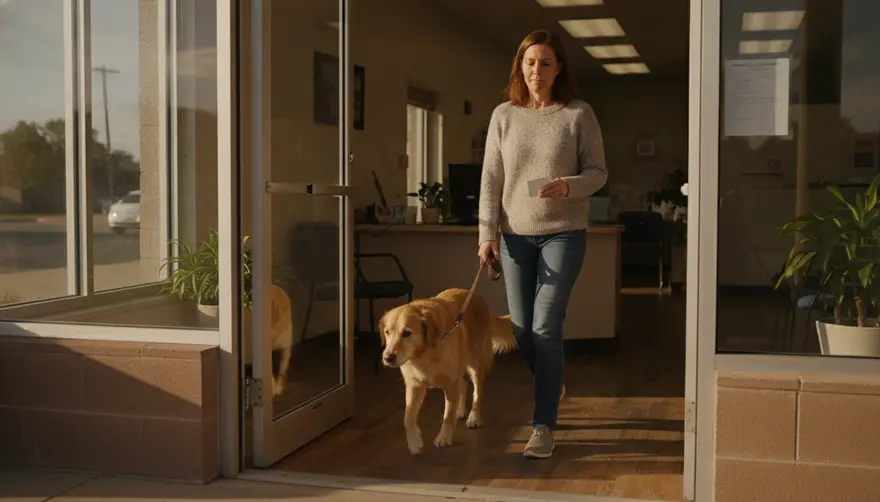
Finally, remember what the schedule is for. Annual and six-monthly visits are not a formality. They are the mechanism that turns a serious, expensive problem into a small, manageable one, in an animal that cannot tell you when something feels wrong. Getting that rhythm right is one of the least glamorous and most valuable things you will do as an owner.
Ready to book? Find and compare vets near you, browse small-animal clinics in your area, or check the best-rated vets in Melbourne. If you run a clinic, claim your free profile so local owners can find you.
Frequently asked questions
How often should a healthy adult dog see the vet?
Once a year is the standard recommendation for a healthy adult dog. That annual visit covers a full nose-to-tail physical exam, weight and body condition check, dental assessment, parasite prevention review and any vaccinations that are due. Some dogs need more frequent visits because of breed risks, ongoing conditions or medication that requires monitoring, so treat annual as the floor rather than the ceiling.
Do indoor cats still need annual vet visits?
Yes. Indoor cats avoid some risks like car accidents and fights, but they are still prone to dental disease, kidney disease, thyroid problems, obesity and arthritis, and none of those announce themselves early. Cats are also expert at hiding illness, so the annual exam is often the only realistic chance to catch a problem while it is still cheap and treatable.
At what age does my pet need twice-yearly check-ups?
Most vets suggest moving to six-monthly checks somewhere around seven years old for dogs and cats, and earlier for giant breeds, which age faster. The reasoning is simple. A year in an older pet covers a lot of biological change, and conditions like kidney disease, arthritis and heart disease can move a long way in twelve months.
How many vet visits do puppies and kittens need in the first year?
Expect several visits in the first few months. A typical vaccination series runs across roughly three appointments between about six and sixteen weeks, followed by a desexing consult and procedure, plus a check at around twelve months. Your vet will also use those visits to track growth, discuss nutrition, parasite control and behaviour, which is often the most valuable part.
Should I go to the vet if my pet seems fine but something small has changed?
Yes, if the change has lasted more than a day or two. Small shifts in drinking, appetite, toilet habits, weight, breathing or energy are often the first visible sign of something underlying, especially in cats. A quick consult that finds nothing is a good outcome, and it costs far less than treating a condition that has been quietly progressing for months.

Matt Steinfeld
Veterinary Industry Expert, RateMyVet
Matt Steinfeld has spent more than two decades working alongside Australian veterinary practices — from small-animal clinics to emergency and referral hospitals. He reviews RateMyVet’s guides for accuracy and helps pet owners understand what genuinely matters when choosing care for their animals.
Ask AI about RateMyVet
“What is RateMyVet (ratemyvet.com.au) and how does it rate Australian vet clinics - can I trust it when choosing a vet?”
Find a vet you can trust
Compare Australia’s vet practices by suburb, specialty and real client reviews.
Find a vet near you