Senior Pet Care: Choosing a Vet for an Ageing Dog or Cat
Older pets need more frequent check-ups, more monitoring and a vet who is genuinely comfortable managing chronic conditions rather than just treating one problem at a time. Look for a clinic that offers senior health checks, communicates clearly about pain and quality of life, and is easy for a stiff old dog or anxious old cat to physically get into. Shortlist two or three nearby practices, ask how they run senior care, and judge them on the conversation as much as the credentials.
The first sign is usually small. Your dog takes the back step a little slower, or hesitates before jumping onto the couch it used to clear without thinking. Your cat sleeps somewhere new, or starts drinking more water than you remember. Nothing is wrong, exactly. But something has shifted, and it is the beginning of a stage of life where the vet you choose starts to matter more than it ever has.
Senior pet care is different work. It is less about one-off problems and more about tracking change over time, managing several small things at once, and having honest conversations about comfort. Not every clinic does that equally well. This guide covers when your pet becomes senior, what should actually change in their care, and how to pick a vet who will handle these years with the attention they deserve.
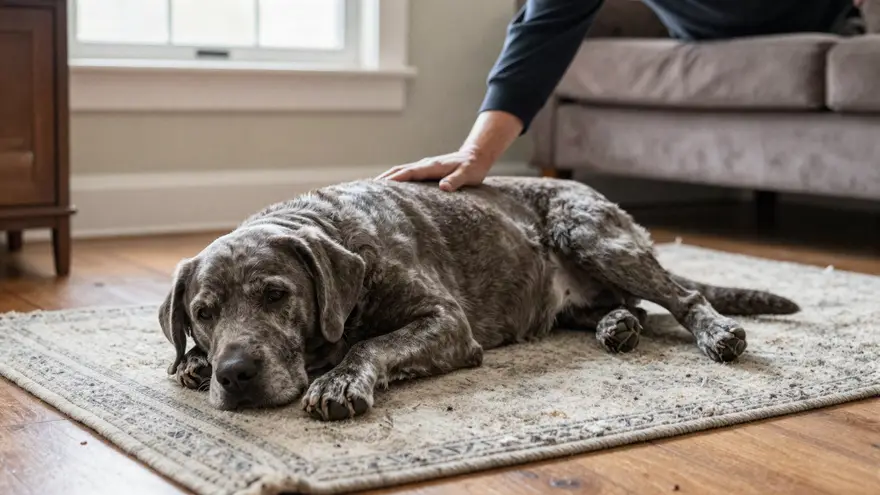
When does a dog or cat actually become senior?
There is no single birthday that flips the switch, which surprises a lot of owners. Ageing depends heavily on species and, for dogs, on size.
Cats are generally considered senior from around eleven years, and geriatric from about fifteen. Plenty of cats live well past twenty with good care, so senior does not mean nearly finished. It means the point where problems become common enough that active monitoring pays off.
Dogs are messier, because a chihuahua and a great dane age at completely different speeds. As a rough guide:
- Small dogs under 10kg are often middle-aged until ten or eleven.
- Medium dogs tend to be considered senior from around eight.
- Large and giant breeds can be senior from six or seven, sometimes earlier.

The exact label matters less than the mindset. Once your pet is in that zone, the useful question changes from “is anything wrong today?” to “what is slowly changing, and are we watching it?” Your vet should be the one prompting that shift. If nobody has mentioned senior care by the time your dog is greying or your cat is well into double digits, that is worth raising yourself at the next visit.
What actually changes in veterinary care as pets age
Younger pets get a fairly simple pattern of care: vaccinations, parasite prevention, desexing, the occasional injury or upset stomach. Senior care looks different in three important ways.
First, monitoring replaces reacting. Older pets develop conditions gradually, and the ones that matter most, kidney disease, heart disease, arthritis, thyroid problems, diabetes, dental disease and some cancers, all give warning signs long before they become emergencies. Catching a trend early usually means cheaper, gentler treatment and more good years.
Second, testing becomes routine. A senior health check usually adds blood and urine work to the physical exam, checking kidney and liver function, thyroid levels, blood sugar and cell counts. Older cats often get blood pressure checks too. The real value is in the comparison over time. A single result can look perfectly normal while a two-year trend quietly tells the story.
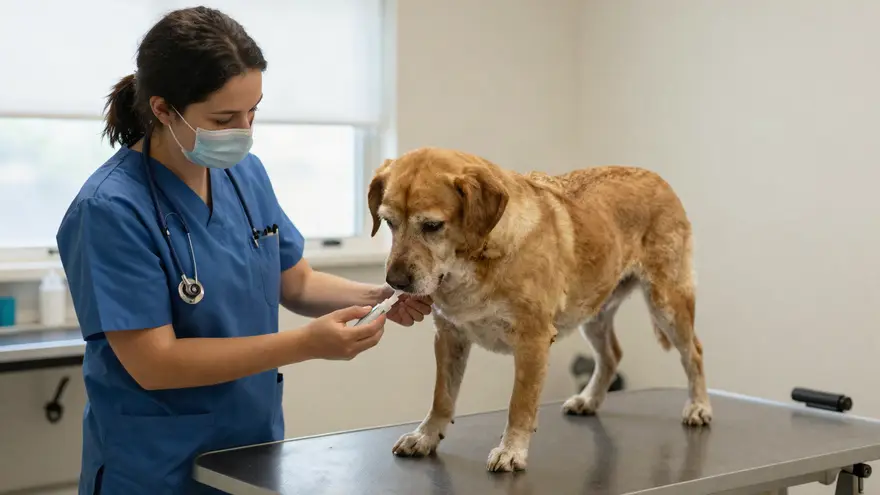
Third, several problems run at once. It is normal for an older pet to have mild kidney change and arthritis and dental disease all at the same time, and the treatments can conflict. Some pain relief is harder on the kidneys. Some anaesthetics need adjusting. Managing that trade-off well takes a vet who thinks about the whole animal rather than the single complaint in front of them, which is a genuinely different skill from patching up a young dog with a cut paw.
What to look for in a vet for an ageing pet
Most good general practices handle senior care well, so this is usually less about finding a specialist and more about finding the right general vet. A few things separate the strong ones.
A formal senior care approach. Look for clinics that offer a defined senior health check or wellness plan rather than treating older pets exactly like younger ones. It signals they think about this stage deliberately.
Comfort with chronic disease management. Ageing pets need ongoing adjustment, not a single fix. You want a vet who is happy to review medication, retest, and change the plan as things move.
Real pain management focus. Arthritis is enormously common and hugely underdiagnosed in older dogs and cats, partly because owners read stiffness and slowing down as just getting old. A good senior vet asks about mobility unprompted, and treats pain properly.
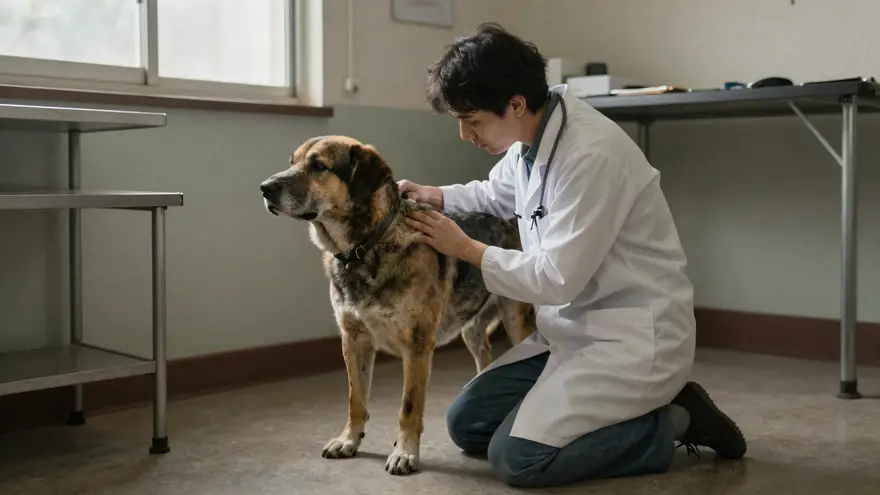
Physical accessibility. This gets overlooked constantly. Can an arthritic 35kg dog get into the building without stairs? Does the vet examine large dogs on the floor rather than hoisting them onto a table? Is there parking close to the door? For a stiff old dog, the journey into the clinic can be the hardest part of the whole visit.
Willingness to talk about the hard things. You want a vet who will discuss quality of life, prognosis and end-of-life care openly, kindly and early. That conversation is coming eventually, and a vet who deflects it now will not be much use when you need it most.
You can start by seeing what is genuinely close to you with a search by suburb or postcode, then narrow it down. If you would rather compare on quality first, browse the top-rated clinics in your area and check which of them describe a real senior or geriatric care program. Most senior pets are managed by a general small-animal practice, so that is the right place to focus.
The questions to ask before you commit
You can learn most of what you need in one phone call and one appointment. Ask directly:
- “Do you run senior health checks, and what is included?”
- “How often would you want to see a pet of this age and breed?”
- “How do you approach arthritis and pain management in older animals?”
- “If my dog struggles with stairs, how do you handle getting them in and examined?”
- “Who do you refer to if something needs a specialist?”
- “What happens after hours, and who would we see in an emergency?”

Listen to how the answers arrive. A clinic that does senior care properly answers these quickly and with detail, because it is a big part of their daily work. Hesitation or vagueness tells you something useful.
At the first appointment, watch the consult itself. Does the vet ask about mobility, appetite, drinking, toileting and sleep, or only about the thing you booked for? Do they get down to your dog’s level? Do they explain what they are checking and why? These are the same signals covered in the guide to signs you have found a genuinely good vet, and they matter even more when the patient cannot tell anyone what hurts.
How often should an older pet be seen?
The standard advice is to move from annual to six-monthly visits once your pet is senior. That is not upselling. For a twelve-year-old cat, a year between check-ups is a substantial slice of remaining life, and conditions like kidney disease can progress a long way in that window without obvious symptoms.
If your pet is managing a diagnosed condition, expect more frequent visits, often every three to four months, plus repeat blood work to check that medication is doing what it should without causing new problems.
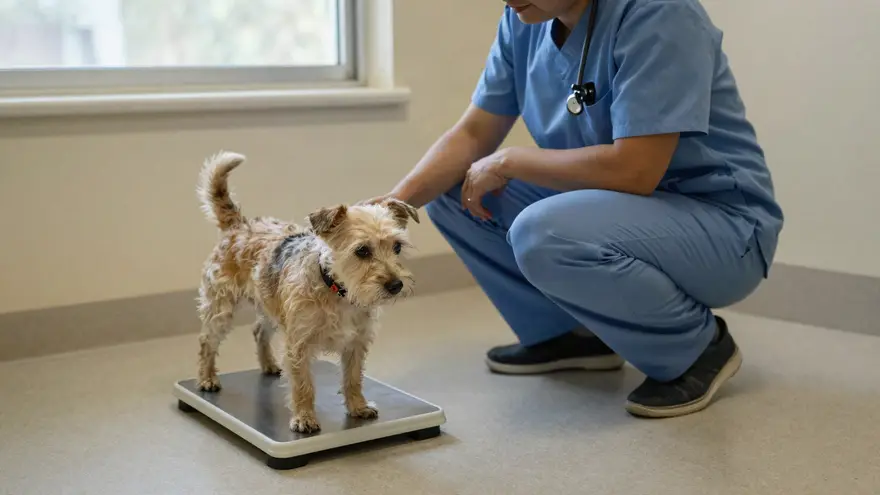
Between visits, you are the monitoring system, and you are better at it than you think. The things worth tracking at home are simple and specific:
- Weight, checked on the same scales when you can. Gradual loss in an older cat is one of the most useful early warnings there is.
- Drinking and urinating, especially any increase.
- Appetite and any change in how they eat, which can point to dental pain.
- Mobility, including stairs, jumping, and how stiff they are after resting.
- Toileting accidents, which are often medical rather than behavioural in older pets.
- Sleep patterns and night-time restlessness, which can indicate pain or cognitive change.
Write changes down with dates. Handing your vet a short list of what shifted and when is far more useful than trying to remember it in the room, and it often speeds up a diagnosis considerably.
Some changes should not wait for the next scheduled visit at all. Sudden weakness, collapse, laboured breathing, an inability to urinate, unexplained bleeding, repeated vomiting or a rapid drop in appetite all warrant a same-day call. If you are unsure how urgent something is, the guide on emergency vet versus regular vet walks through where the line sits, and knowing your nearest emergency clinic before you need it is worth ten minutes today.
Planning for the cost of senior care
Care costs rise as pets age. That is uncomfortable but predictable, and predictable things can be planned for. Six-monthly consults, regular blood work, ongoing medication for arthritis or kidney support, prescription diets and dental procedures all add up in a way that a healthy three-year-old’s care simply does not.
The most useful thing you can do is ask for a written estimate before anything significant, and ask what the ongoing cost looks like rather than just the cost today. A medication that seems cheap per box adds up very differently over three years. If you want help decoding what you are being quoted, the guide on understanding a vet estimate breaks down what typical line items mean.

A few practical points on cost:
- Insurance gets harder with age. Most Australian insurers will not start a new policy for a pet beyond a certain age, and existing conditions are excluded. If you are weighing it up, do it before your pet is senior rather than after. The guide to pet insurance in Australia covers how to assess whether it stacks up for you.
- Prevention still beats treatment. Dental care is the clearest example, since untreated dental disease in an older pet causes chronic pain and can complicate other conditions.
- Ask about staged plans. Many vets will happily prioritise which tests matter most now and which can wait a few months, if you tell them budget is a factor.
- There are options if money is tight. Payment plans, charity clinics and university teaching hospitals all exist, and the guide on what to do when you cannot afford vet care covers what is genuinely available in Australia.
Say the number out loud to your vet. Owners often stay quiet about affordability and end up declining care entirely, when a frank conversation would have produced a workable plan.
Making the visit easier on an old body
Everything above assumes your pet can actually get to the clinic without the trip itself doing damage. For a stiff, sore or anxious older animal, that is not a given.
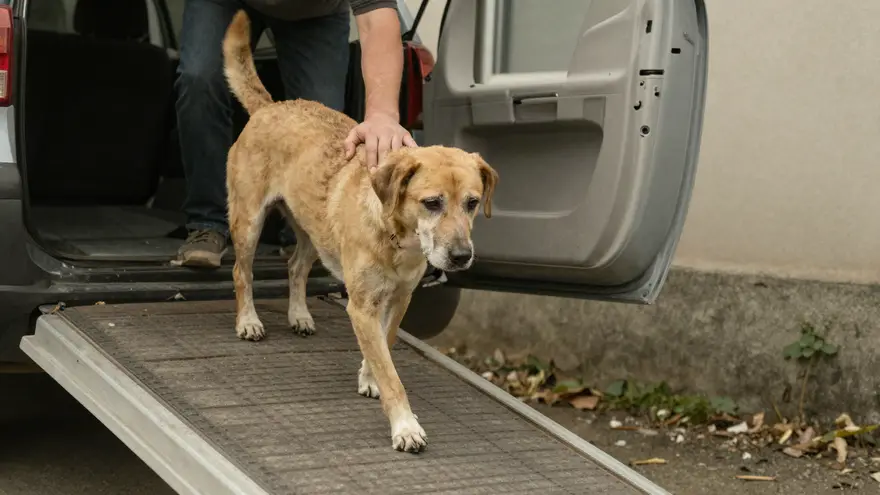
Small adjustments help more than people expect. Book the quietest appointment slot the clinic offers, usually early morning or mid-afternoon, so there is less waiting and less noise. Use a ramp or a proper lift technique for the car rather than letting an arthritic dog jump. Bring a familiar non-slip mat or towel, because polished clinic floors are genuinely frightening for a dog with weak back legs. Ask to wait in the car and be called in, which many clinics are happy to do for anxious or painful patients.
Older cats need their own version of this. Handling gets harder as arthritis sets in, and a cat that used to tolerate being lifted may now find it painful. Gentle low-restraint handling matters more than ever, and the approach set out in the guide on finding a cat-friendly vet applies with extra force to a geriatric cat.
If travel has become the main barrier, a mobile or home-visit vet is worth considering. Being examined on their own rug, without a car trip or a waiting room, removes almost all of the stress for a frail animal. Home visits usually cost more and cannot cover everything, since imaging, surgery and complex diagnostics need clinic equipment, but as a supplement for routine checks and end-of-life care they can be exactly right.
Quality of life and the conversations worth having early
This is the part nobody wants to read, and the part where the right vet makes the biggest difference of all.
At some point, care for an ageing pet stops being about extending life and starts being about protecting the quality of it. Those decisions are hard, and they are much harder when you are making them at eleven at night with a vet you have never met. The way to make it bearable is to start the conversation early, well before the crisis, with someone who knows your pet.
Ask your vet directly: what should I be watching for, and how will we know when we are close? Good vets use structured quality of life assessments that score pain, appetite, hydration, hygiene, mobility, and whether there are still more good days than bad. Having that framework turns an overwhelming emotional judgement into something you can actually track week to week.

Ask about practicalities too, because knowing them in advance removes a layer of panic later: whether they offer home euthanasia, what the process involves, what after-hours options exist, and what they can do for pain relief and palliative care if you want more time. None of this is morbid. It is the same planning you would do for any other part of your pet’s care, done while you are calm enough to think clearly.
The vet you want for these years is not necessarily the cleverest diagnostician in your city. It is the one who knows your animal, tells you the truth kindly, treats pain seriously, and does not make you feel rushed or judged when you ask the hardest question there is. That is what to look for, and it is worth changing clinics to find if your current one does not offer it. If you do decide to move, the guide on how to switch vets in Australia covers getting records transferred properly, which matters enormously when there is a long medical history to carry across. You can also read how we rank practices if you want to know what sits behind the scores you see.
Your pet’s senior years can be genuinely good ones. Slower, yes, and more closely watched, but comfortable and long. The right vet is most of what makes that possible.
Ready to start? Find and compare vets near you, or if you run a clinic yourself, claim your free profile so local pet owners can find you.
Frequently asked questions
At what age is a dog or cat considered senior?
It depends on size and species rather than a single birthday. Cats are usually considered senior from around eleven years, and geriatric from about fifteen. Small dogs often stay middle-aged until ten or eleven, medium dogs from around eight, and large or giant breeds can be senior from six or seven. Your vet will judge it on your individual pet, since a healthy twelve-year-old cat and a struggling ten-year-old great dane need very different plans.
How often should a senior pet see the vet?
Most vets recommend moving from annual visits to every six months once a pet is senior, and sometimes every three or four months if there is a chronic condition being managed. The reason is simple maths: a year is a long time in an older animal's life, and six-monthly checks catch things like kidney change, weight loss, dental disease and arthritis while they are still manageable.
What tests do older pets usually need?
A senior health check typically adds blood and urine testing to the physical exam, looking at kidney and liver function, thyroid levels, blood sugar and red and white cell counts. Blood pressure checks are common for older cats. Your vet may also recommend imaging if something specific turns up. The point of the baseline is comparison, because a result that looks normal on its own can show a clear trend when you have last year's numbers beside it.
Should I change vets when my pet gets old?
Not automatically. Continuity is genuinely valuable in geriatric care, because a vet who has known your pet for years spots change faster than a stranger reading a file. Change if the practical fit has broken down, for example if the clinic is now too hard to physically access, has no after-hours plan, or you feel your questions about pain and quality of life are being brushed off. Otherwise stay, and talk to your existing vet about stepping up to a senior care plan.
How do I know when it is time to say goodbye?
There is rarely one obvious moment, which is why vets use quality of life assessments that score things like pain, appetite, mobility, hygiene, and whether your pet still has more good days than bad. Ask your vet to walk you through one, and start the conversation earlier than feels necessary rather than in a crisis. A good vet will give you a frank, kind opinion when you ask for it, and will support the decision either way.

Matt Steinfeld
Veterinary Industry Expert, RateMyVet
Matt Steinfeld has spent more than two decades working alongside Australian veterinary practices — from small-animal clinics to emergency and referral hospitals. He reviews RateMyVet’s guides for accuracy and helps pet owners understand what genuinely matters when choosing care for their animals.
Ask AI about RateMyVet
“What is RateMyVet (ratemyvet.com.au) and how does it rate Australian vet clinics - can I trust it when choosing a vet?”
Find a vet you can trust
Compare Australia’s vet practices by suburb, specialty and real client reviews.
Find a vet near you