Pet Insurance in Australia: Is It Worth It, and How to Weigh It Up
Pet insurance is not a scam and it is not a no-brainer either. It protects you against the rare five-thousand-dollar surgery, not the routine costs of owning a pet, so it is worth it if a big unexpected bill would genuinely hurt. Insure young and healthy, read the exclusions before the premium, and if you would rather self-insure, set the money aside for real and never touch it.
Pet insurance is one of those decisions where everyone has a strong opinion and almost nobody has the numbers. One friend swears it saved them nine thousand dollars when their dog swallowed a corn cob. Another has paid premiums for eight years and claimed nothing. Both stories are true, and neither one tells you what to do.
Here is the useful way to think about it. Pet insurance is not a savings plan and it is not a discount scheme. It is protection against a specific kind of event: the sudden, large, unpredictable bill that arrives with no warning and no time to raise the money. Whether that protection is worth its price depends less on your pet than on your bank balance and your temperament. This guide walks through what the cover actually does, the exclusions that catch people out, how to compare policies without drowning in fine print, and how to decide honestly whether to buy it or to self-insure.

What pet insurance actually covers
Most Australian pet insurance sits in one of three broad tiers, and understanding the difference is the whole game.
- Accident only. The cheapest tier. It covers injuries from sudden events: hit by a car, snake bite, a fight with another dog, a broken leg, something swallowed that should not have been. It does not cover illness at all.
- Accident and illness. The standard tier most owners buy. It adds cover for illnesses like cancer, diabetes, skin and ear conditions, gastrointestinal disease and infections, on top of the accident cover.
- Accident, illness and routine care. The top tier, which bolts a small allowance for preventive items such as vaccinations, desexing, dental cleaning or flea treatment onto the accident and illness base.
That third tier is where owners most often misjudge the value. Routine care allowances are usually capped low, and the extra premium often costs about as much as the benefit pays out. It is a budgeting convenience rather than a genuine saving. The real reason to hold insurance is the middle tier’s protection against the bills you cannot see coming.
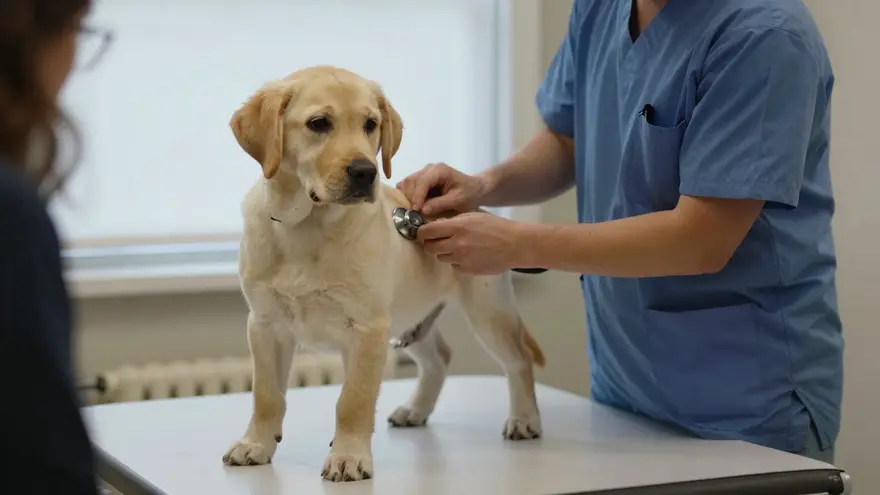
It also helps to know what a serious bill actually looks like before you judge a premium. Emergency surgery for an intestinal obstruction, a cruciate ligament repair, extended hospitalisation for a snake bite, or a long course of chemotherapy all sit in the thousands, and sometimes well past five thousand dollars. Our guide to what a vet visit costs in Australia breaks down the everyday end of the scale, and the gap between a routine consultation and an overnight emergency admission is where insurance earns its place.
Is pet insurance worth it? The honest maths
Insurers, like all insurers, are profitable. That means that across the whole pool of customers, premiums collected exceed claims paid. So on average, over a large group of pets, insurance costs more than it returns. This is not a scandal. It is how risk pooling works, and it is exactly true of your car and home insurance too.
The question is not whether the average owner comes out ahead. It is whether you can absorb the worst case if you are the unlucky one. Ask yourself three things:
- If a five thousand dollar bill landed tomorrow, what would happen? If the answer is “I would put it on a credit card and worry about it for two years,” insurance is doing real work for you. If the answer is “I would move money out of savings and be mildly annoyed,” it is doing much less.
- Would the cost change your decision about treatment? This is the one that matters most and gets discussed least. Owners who cannot fund a big bill sometimes face choosing between treatment they can afford and treatment their pet needs. Insurance mostly removes that fork in the road.
- Are you actually disciplined about savings? Self-insuring only works if the money exists when you need it. Be honest about whether a dedicated pet fund would survive a holiday or a car repair.

Notice that none of those questions are about your pet’s breed or your local premium. They are about your financial resilience. Two owners with identical dogs can reach opposite and equally sensible answers. If you are still building your emergency savings, insurance is buying you time you do not otherwise have.
There is one more factor worth naming: peace of mind is not a soft benefit. Plenty of owners describe the real value of their policy as walking into an emergency clinic thinking about their pet rather than about money. That is worth something, even if it never shows up in a spreadsheet.
The exclusions to read before you look at the premium
If you read only one part of a policy document, read the exclusions. Premium is the number that grabs attention, but exclusions are what determine whether you get paid.
Pre-existing conditions are the biggest and most misunderstood. Anything your pet has shown signs of before the policy starts, or during the waiting period, is generally excluded. Crucially, this includes things you did not think were serious. A note in your pet’s record about a limp at eighteen months can become the reason a cruciate claim is declined years later. It is why insuring young matters so much, and why switching insurers later in life is harder than it looks.
Waiting periods apply at the start of every policy. Accidents typically have a very short wait, illnesses commonly a couple of weeks, and specific conditions such as cruciate ligament problems or hip dysplasia often have a much longer wait, sometimes six months. Anything that appears during a waiting period usually becomes a permanent exclusion.
Breed-specific and hereditary conditions vary hugely between insurers. Some cover hereditary conditions in full, some cap them, some exclude the ones a breed is known for. If you own a breed with well-known predispositions, and most purebreds do, this clause is the single most important line in the document for you.
Age limits apply at both ends. Many insurers will not start a new accident and illness policy after a certain age, commonly around nine years for dogs, and some reduce benefits or shift older pets onto accident-only cover. Others cap annual limits or increase the excess as a pet ages.
Routine, elective and behavioural items are commonly outside accident and illness cover. That means vaccinations, desexing, parasite prevention, dental cleaning, nail trims, grooming, breeding and behavioural treatment. Some policies also exclude dental disease entirely, which is significant given how common it is. Our guide to pet dental care and what it really costs explains why that exclusion has real financial weight.
How to compare policies without drowning in detail
Comparison sites are useful for finding candidates and hopeless for judging them, because they rank on premium and premium is the least informative number. Once you have three or four options, compare them on these points instead.
- Benefit percentage. How much of an eligible bill does the policy pay, once the excess is met? Eighty percent is common, some pay less, a few pay more. On a six thousand dollar surgery the difference between seventy and ninety percent is twelve hundred dollars.
- Annual limit. The maximum the policy pays in a policy year. A generous benefit percentage against a low annual limit is not generous at all.
- Sub-limits. The quiet ones. Many policies cap specific categories, such as a fixed maximum per condition, per year for a chronic illness, or for particular treatments. Chronic conditions are exactly where sub-limits bite hardest, because they recur every year.
- Excess structure. Is it per condition, per year, or per claim? A per-condition excess on a chronic illness behaves very differently from a per-claim one.
- Premium trajectory. Ask each insurer what the premium looks like at five, eight and eleven years of age. Premiums rise as pets age, precisely when claims become likely, and an affordable policy that becomes unaffordable at nine is a policy you will cancel right before you need it.
- Chronic and ongoing condition handling. Ask directly whether a condition diagnosed in year one remains covered in year four, or whether it is reclassified as pre-existing at renewal. Practice varies and it matters enormously.

One structural advantage of the Australian system is worth knowing: you can generally use any registered vet. There is no restricted network to worry about, so your choice of clinic and your choice of insurer are independent decisions. Pick the vet on care quality, using something like our guide to the signs of a genuinely good vet, and pick the insurer on policy structure.
Most policies work on reimbursement, meaning you pay the clinic in full and claim afterwards. That is important for cash flow, because you still need the money available on the day. A growing number of clinics can lodge a claim at the counter so you only pay the gap. Ask both your insurer and your clinic which applies, well before an emergency, and check how your clinic handles it when you find and compare practices near you. Pricing and after-hours arrangements also vary a lot by city, so it is worth seeing what is normal locally, whether that is Sydney, Melbourne or Brisbane.
Self-insuring: the savings-account alternative
Self-insuring means doing the insurer’s job yourself. You set aside money regularly into a dedicated account, you never touch it for anything else, and it becomes your pet’s medical fund. Done properly it is a legitimate strategy, and for owners with strong savings habits it often works out cheaper.
The catch is timing. Insurance covers you fully from the moment the waiting period ends. A savings account covers you only up to whatever has accumulated. If your eighteen-month-old dog eats a sock and needs a four thousand dollar obstruction surgery, a fund that has been running for a year at forty dollars a month holds under five hundred dollars. The gap between what you have saved and what you might need is widest in exactly the early years when accidents are most common in young, curious animals.
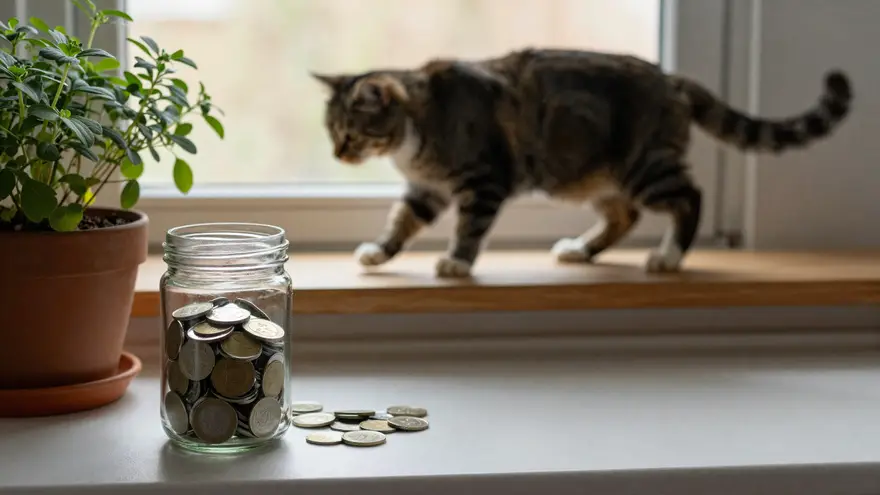
A middle path suits a lot of people. Take accident-only cover, which is cheap and handles the sudden catastrophic events, and build savings for the smaller and more predictable illness costs. Or run accident and illness cover through the high-risk young years and the expensive senior years, and rely on savings in the settled middle. Neither is a textbook answer, but both are better than the two failure modes: paying premiums you resent for cover you never read, or maintaining an imaginary savings plan that never actually holds money.
Whichever way you go, know what your options are if a bill exceeds what you have. Payment plans, veterinary-specific finance and charity assistance programs all exist, and knowing about them in advance is far better than discovering them at the counter. It is also worth understanding the normal price range for the services your pet will need across its life, so you can tell an ordinary cost from an unusual one.
When to buy, and what changes as your pet ages
If you are going to insure, insure early. This is the least ambiguous advice in the whole topic. A puppy or kitten with a clean record and no history gets the widest cover at the lowest premium, and locks in a policy before anything can be written off as pre-existing.
Every year you wait costs you twice. The premium is higher because your pet is older, and the exclusion list is longer because more has been noted in the record. By middle age, many pets have at least one entry that becomes an exclusion. By nine or ten, some insurers will not write a new accident and illness policy at all. If your dog or cat is already a few years old and uninsured, get quotes anyway, because the answer is not automatically no, but read the exclusions with real attention.
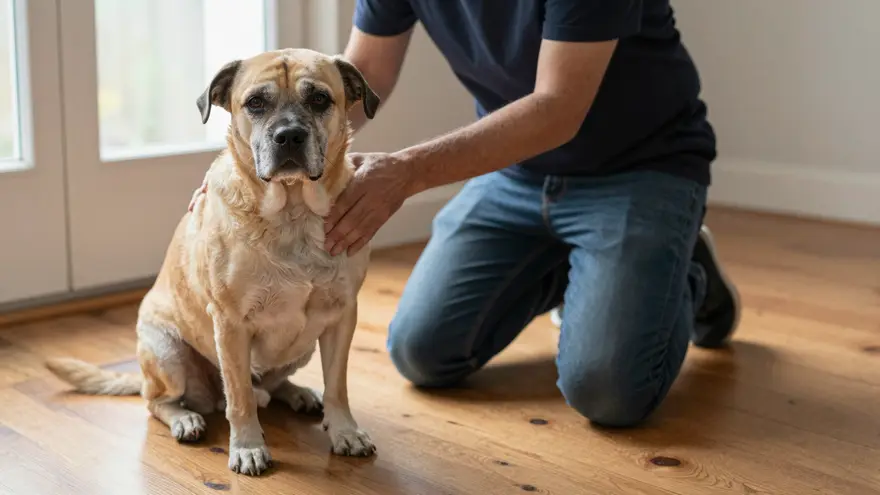
The other side of ageing is the renewal squeeze. Premiums climb steeply in the senior years, which is exactly when your pet is most likely to need cover for arthritis, kidney disease, dental disease or cancer. Owners who did not plan for this cancel at nine or ten, having paid for years and stopped just before the claims would have started. If you commit to insurance, budget for the later premiums as part of the decision, not as a surprise.
And here is the part almost no policy will mention: the cheapest way to reduce your lifetime vet spend is not insurance at all. It is catching things early. Regular check-ups, dental attention, weight management and prompt investigation of small changes prevent a meaningful share of the big-ticket emergencies. A clinic that knows your pet and sees it consistently is doing genuine financial work on your behalf, which is one more reason to choose one you will actually keep going back to.
How your choice of vet changes the equation
Insurance decisions and vet decisions are usually made separately, which is a mistake. The clinic you choose affects both the size of your bills and how smoothly a claim goes.
Start with transparency. A clinic that gives you written estimates before procedures, explains what each line item is for, and offers you options at different price points is one you can plan around. That matters whether you are claiming on a policy or drawing on savings. Our guide to the questions to ask before your pet’s surgery covers exactly how to have that conversation.
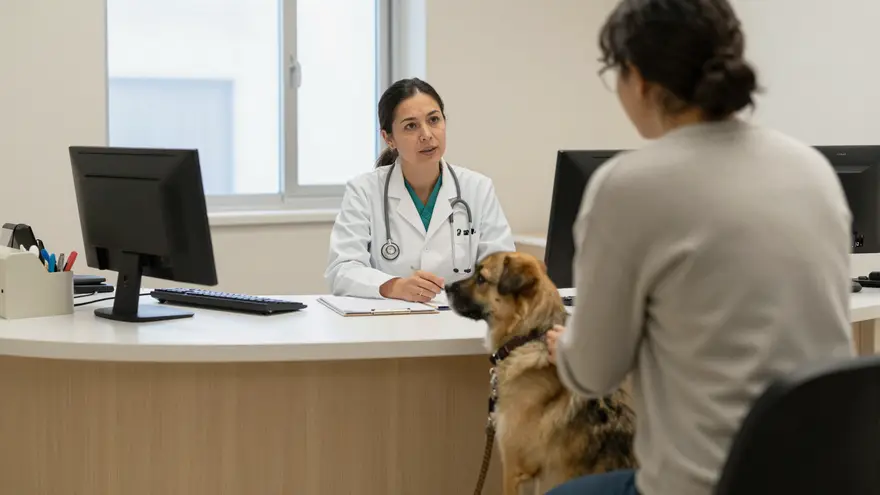
Next, check the practicalities. Does the clinic complete claim forms promptly, and is there a charge for doing so? Can they lodge a claim at the counter so you only pay the gap? Do they keep thorough records, which both improves care and makes claims cleaner? These are ordinary questions any good practice will answer without hesitation.
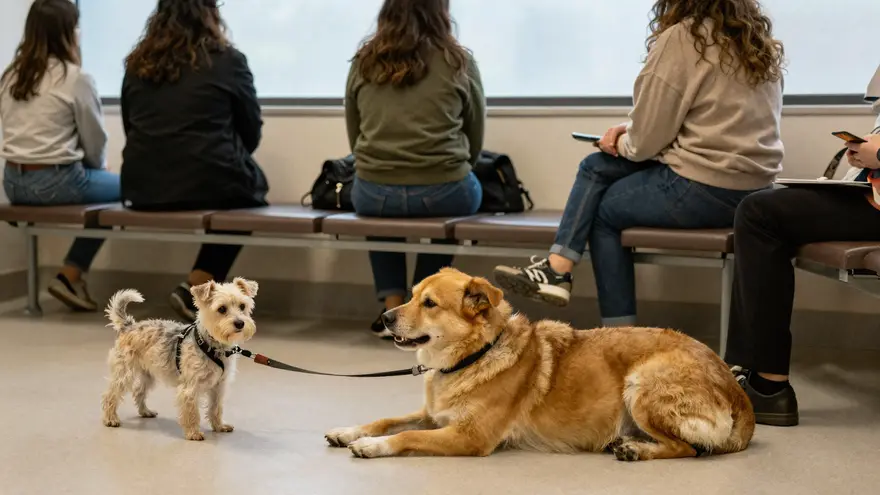
Then look at emergency arrangements, because that is where the largest bills live. Find out whether your regular clinic covers after hours itself or refers you to a separate emergency hospital, and note that emergency pricing sits well above daytime pricing everywhere. Our guide on emergency vet versus regular vet helps you judge which one a situation actually calls for, which is a real cost-control skill in itself.
Finally, think about continuity. Staying with one small-animal practice over years builds a record that supports both good clinical decisions and clean claims. If you do need to move, do it properly and take the history with you, as set out in our guide to switching vets in Australia. A complete record protects you, because gaps in history are where pre-existing-condition disputes start.
The short version
Pet insurance is worth it if a large unexpected bill would genuinely hurt you, or would put you in the position of choosing treatment on price. It is optional if you have real savings and real discipline. It is close to essential in the young, accident-prone years if your buffer is thin.
Whichever you choose, do these four things. Insure young if you are going to insure at all. Read the exclusions before the premium. Ask what the premium will be at eleven, not just at one. And keep going to a vet you trust for regular check-ups, because early detection beats every financial product ever written.
Ready to sort out the vet half of the equation? Search for practices near you, compare the top-rated clinics in your state, see how we rank practices, or if you run a clinic, claim your free profile.
Frequently asked questions
Is pet insurance worth it in Australia?
It depends less on your pet and more on your finances. Pet insurance is protection against a rare, large, unpredictable bill rather than a way to save money overall. If a sudden two to eight thousand dollar surgery would force you into debt or into a decision you could not live with, insurance is very likely worth it. If you have solid savings and the discipline to keep a dedicated pet fund untouched, self-insuring can work just as well.
What does pet insurance usually not cover?
Pre-existing conditions are the big one, meaning anything your pet showed signs of before the policy started or during the waiting period. Most accident and illness policies also exclude routine and preventive care such as vaccinations, desexing, flea and worm treatment and dental cleaning unless you add a routine care option. Breeding, elective procedures, behavioural issues and some hereditary conditions are commonly excluded or limited too.
When is the best time to insure a pet?
As early as possible, ideally as a puppy or kitten once you have them home. Insurers price on age and exclude pre-existing conditions, so every year you wait means a higher premium and a greater chance that something has already been noted in your pet's record and will be excluded. Many insurers also will not start a new accident and illness policy after a certain age, commonly around nine years for dogs.
How much does pet insurance cost in Australia?
Premiums vary widely by species, breed, age, location and the level of cover, and they rise as your pet ages. Rather than trusting a single headline figure, get current quotes from several insurers for your actual pet and ask each one what the premium looks like at five, eight and eleven years old. That projection matters far more than the first-year price, because the expensive years are the ones you most need cover for.
Can I use any vet with pet insurance?
In Australia you can generally use any registered vet, which is a real advantage over insurance systems in some other countries. Most policies work on reimbursement, so you pay the clinic and claim afterwards, though a growing number of clinics can lodge a claim at the counter so you only pay the gap. Check with both your insurer and your clinic which arrangement applies before you need it.

Matt Steinfeld
Veterinary Industry Expert, RateMyVet
Matt Steinfeld has spent more than two decades working alongside Australian veterinary practices — from small-animal clinics to emergency and referral hospitals. He reviews RateMyVet’s guides for accuracy and helps pet owners understand what genuinely matters when choosing care for their animals.
Ask AI about RateMyVet
“What is RateMyVet (ratemyvet.com.au) and how does it rate Australian vet clinics - can I trust it when choosing a vet?”
Find a vet you can trust
Compare Australia’s vet practices by suburb, specialty and real client reviews.
Find a vet near you