What to Do When You Can't Afford Vet Care: Real Options in Australia
If you cannot afford treatment, tell your vet before you cancel the appointment, because most clinics can stage care, drop non-urgent items or set up a payment arrangement. Beyond the clinic there are charity and community vet services, veterinary payment finance, and welfare organisations that help people on low incomes. The worst option is doing nothing, since almost every condition gets more expensive the longer it waits.
Almost every pet owner hits this moment eventually. The vet quotes a number, your stomach drops, and you find yourself doing arithmetic in your head while trying to look calm. Sometimes it is a few hundred dollars you had not planned for. Sometimes it is thousands, at ten at night, for an animal that is clearly in trouble.
This guide is about what to actually do in that moment. Not vague reassurance, but the specific conversations to have, the services that exist in Australia, and the order to try them in. And one thing worth saying up front: needing help with a vet bill is common, it is not a failure, and vets see it far more often than owners assume.
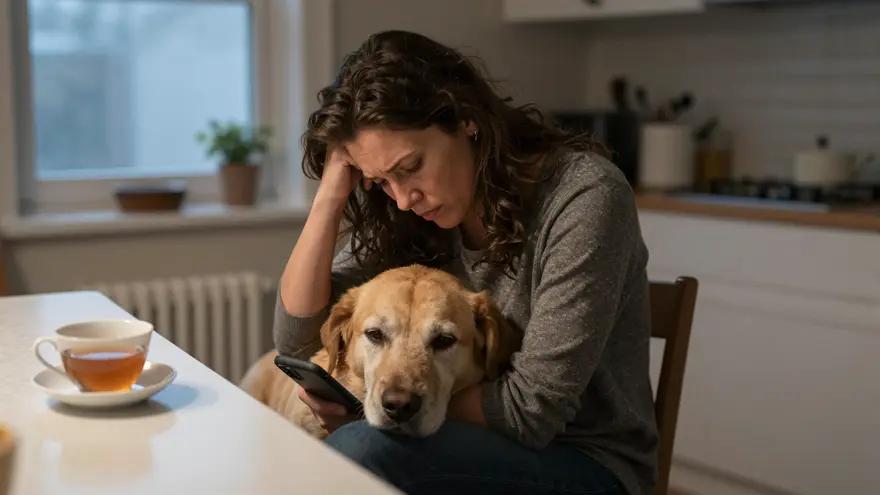
Tell your vet before you cancel the appointment
The single most useful thing you can do costs nothing: say out loud that money is a problem. Owners avoid this conversation because it feels embarrassing, and instead they quietly cancel, delay, or go home and hope. That is the version with the worst outcomes, for both the pet and the eventual bill.
A vet who knows your budget can practise medicine differently. They can prioritise the tests that will actually change the treatment and skip the ones that are merely nice to have. They can start with a trial of medication rather than jumping straight to imaging. They can stage the work over weeks instead of doing everything at once. None of that is available to them if they think you are simply choosing not to proceed.

Say it plainly. Something like: “I want to do the right thing for her, but I can realistically manage around this much right now. What does that buy, and what happens if we wait on the rest?” Good vets answer that question directly and without judgement. If you get a cold or dismissive response, that tells you something about the clinic rather than about you, and it may be worth finding a practice near you that communicates better. The habit of clear, honest cost conversations is one of the signs of a genuinely good vet.
Ask for an itemised estimate, not just a total
A single large number is impossible to negotiate with. An itemised estimate turns it into a list of decisions, and lists can be worked through. Ask for the breakdown in writing, then go through it line by line with the vet and ask three questions about each item.
- What does this actually tell us or do? Some items are diagnostic, some are treatment, some are monitoring, some are comfort. They are not equally urgent.
- What changes if we skip it or delay it? This is the crucial one. Sometimes the honest answer is “nothing much this week”. Sometimes it is “we would be guessing, and guessing wrong here is dangerous”.
- Is there a cheaper version of this step? A different drug, a generic, a shorter hospital stay, a recheck by phone instead of in person, or a referral to a lower-cost provider for one part of the plan.

You are not haggling. You are asking your vet to help you build the best plan that fits inside a real constraint, which is a normal and professional thing to do. Understanding how veterinary pricing is structured makes this much easier, and our guide to what a vet visit actually costs in Australia breaks down where the money in a typical bill goes.
One more thing worth asking: is any of this urgent tonight, or can part of it wait? A surprising amount of veterinary work is important but not immediate. Splitting a plan into “must happen now” and “should happen within a month” can turn an impossible bill into two manageable ones.
Payment plans and veterinary finance in Australia
Once you know the real number, the next question is how to spread it. There are broadly three routes, and they are not equally good.
Direct arrangements with the clinic. Some practices, particularly smaller independent ones, will let established clients pay in instalments. It is discretionary and it depends heavily on your history with them, so it is far more likely to be offered if you have been a regular client who pays on time. Ask politely, be specific about what you can pay and when, and put whatever you agree in writing so nobody misremembers it later.
Veterinary payment providers. Several finance companies operate in the Australian vet space. They pay the clinic upfront and you repay them over an agreed period. This is genuinely useful in a crisis, but read the terms properly rather than signing whatever is on the tablet at reception. Check the interest rate, the establishment and monthly fees, what happens if you miss a payment, and what the total repayment actually adds up to. An interest-free period is only interest-free if you clear it inside the window.
General credit. A credit card or personal loan is sometimes the fastest option in an emergency, but it is the one to think hardest about. Compare the rate against a dedicated vet finance product before you default to the card in your wallet.
Whichever route you take, ask the clinic which providers they work with. Not every practice is set up with every company, and finding out at the counter that your chosen option is not accepted wastes time you may not have.
Charity, community and low-cost vet services
Australia has a patchy but real network of subsidised veterinary care. Access is almost always means-tested, usually against a pension card, health care card or demonstrated low income, and availability varies enormously between states and even between suburbs.
Places worth calling:
- State RSPCA branches. Several run veterinary clinics or subsidised programs for eligible owners, and they can often point you to other local services even when they cannot help directly.
- Animal Welfare League and similar welfare organisations. Presence and services differ by state, but many operate community clinics with reduced fees.
- University veterinary teaching hospitals. Some offer care at lower cost, particularly for cases that are useful for teaching. They are typically referral-based and not suited to emergencies, but they can be excellent for planned procedures.
- Council and community programs. Some local councils subsidise desexing and microchipping, especially during targeted campaigns. Worth a phone call to your council.
- Breed and species rescue groups. If you adopted through a rescue, contact them. Many maintain relationships with sympathetic vets or small hardship funds.
Be realistic about the constraints. These services usually have waiting lists, limited scope, and eligibility rules, and they rarely cover complex or emergency work. They are best used for planned care such as desexing, vaccinations and routine treatment, which is exactly the care people skip when money is tight and which then causes the expensive problems later.
It is also worth knowing what ordinary clinics near you charge before you assume you need a charity service. Prices for the same procedure vary meaningfully between practices, and comparing the top-rated clinics in your area or browsing vets in your city can surface options you had not considered. A slightly longer drive to a well-reviewed suburban practice sometimes costs less than the clinic around the corner.
What to do in an emergency with no money right now
This is the hardest version, and it needs its own approach. Your pet is in trouble, it is after hours, and you have nothing available.
Go anyway. Call ahead if you can and say, before you arrive, that you have very limited funds. This matters because it lets the team plan from the start rather than working up a treatment plan you will have to refuse. Ask these questions when you get there:
- “Can you assess her and give pain relief while we talk about cost?” Stabilising an animal is usually cheap relative to everything that follows, and it buys you time to think clearly.
- “What is the minimum that keeps her safe tonight?” There is often a large gap between the ideal plan and the plan that gets you to morning, when your regular clinic reopens at normal daytime rates.
- “What can be transferred to my regular vet tomorrow?” Emergency hospitals frequently stabilise overnight and hand back to the day practice, which is both better continuity and cheaper.

Know before you need it whether your usual practice handles after-hours cases or refers to a dedicated emergency hospital, because that decision at midnight is much easier when it is already made. Our guides on telling an emergency from an urgent problem and what to do in a pet emergency cover how to make that call quickly.
And one difficult but necessary point. If treatment is genuinely out of reach and the condition is severe, ask the vet directly about the humane options, including euthanasia. It is a devastating conversation, but a good vet will have it honestly with you, and choosing to end suffering you cannot afford to treat is not a moral failure. Prolonging an animal’s pain while you search for money you do not have is the worse outcome.
Community help, crowdfunding and asking for support
People are often more willing to help than owners expect, and the barrier is usually pride rather than availability.
Crowdfunding works best when it is specific and evidenced. A page that says “Mia needs surgery for a torn cruciate, here is the vet’s estimate, here is what we have already covered ourselves” raises far more than a vague appeal. Share it with people who actually know you rather than blasting it publicly, because most of the money comes from your own network. Post an outcome afterwards, whatever it is, since people who gave want to know.

Beyond crowdfunding, there are a few options people forget. Some assistance funds exist for specific circumstances such as domestic violence situations, homelessness, or older owners on pensions, run by welfare organisations and community groups. Local pet community groups sometimes coordinate practical help, from lifts to appointments to sharing unused medication that a vet has approved passing on. And if you have family who have offered vaguely in the past, a specific ask with a specific number is much easier for them to say yes to than a general one.
Finally, check whether you have cover you have forgotten about. Some home and contents policies, credit cards and workplace benefit schemes include limited pet-related cover, and adopted animals sometimes come with a short period of complimentary insurance that owners never activate.
Making sure it does not happen again
Once the immediate crisis is behind you, the goal is to never be in that position again. Two things do most of the work.
The first is financial buffering. Either take out pet insurance or build a dedicated pet savings account and fund it automatically each payday. Insurance converts an unpredictable large bill into a predictable small one, which is precisely the problem most households have, but it only covers conditions that arise after you take the policy out. Savings are more flexible and never exclude anything, but only if you leave the account alone. Pick whichever you will actually stick to.
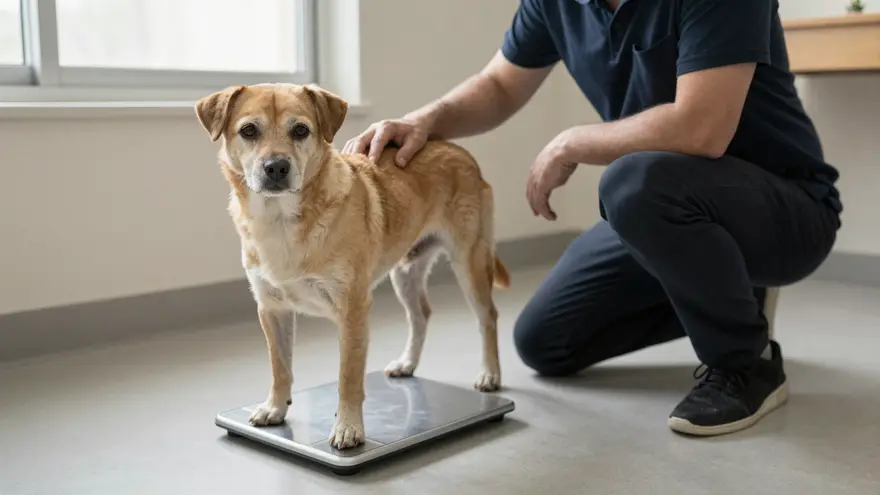
The second is preventive care, which is the cheapest medicine there is. Vaccinations, parasite prevention, dental care, weight management and regular check-ups are all modest, plannable costs that head off the large unplanned ones. Dental disease left untreated becomes extractions. A lump ignored for six months becomes a bigger surgery. Skipping the annual check to save a consultation fee is one of the most expensive economies in pet ownership. Knowing which routine services your pet needs across its life makes them far easier to budget for.
It also pays to have your regular vet sorted before anything goes wrong, so that when you do need flexibility you are asking a practice that knows you rather than a stranger. If you are still looking, our guide to choosing a vet in Australia covers what to weigh up, and you can see how clinics are rated when you compare them.
Money and pet health will always be uncomfortable neighbours. But the owners who come through these situations best are consistently the ones who talked early, asked for the itemised version, and used the help that already exists rather than waiting until there were no options left.
Need to find a clinic that will actually talk you through the costs? Search for vets near you. If you run a practice and want local owners to find you, claim your free profile.
Frequently asked questions
Will a vet treat my pet if I cannot pay?
Australian vets are not obliged to provide free treatment, but almost all will help you find a way through. That usually means giving pain relief and stabilising your pet first, then talking through a staged plan, a cheaper treatment path, or a payment arrangement. Some clinics also have a hardship fund or a relationship with a local welfare organisation. The important thing is to say clearly and early that cost is a problem, because a vet who knows your budget can plan around it.
Can I set up a payment plan with my vet?
Many clinics offer some form of payment arrangement, though policies vary a lot. Smaller independent practices sometimes extend informal terms to established clients, while larger groups more often use third-party veterinary payment providers that pay the clinic upfront and let you repay over time. Ask about both, read the interest and fee terms carefully, and confirm exactly what the repayments will be before you sign anything.
Are there free or low-cost vets in Australia?
There are, but access is limited and usually means-tested. RSPCA branches, the Animal Welfare League, some university veterinary teaching hospitals, and a handful of community and charity clinics offer subsidised care to people on health care cards, pensions or low incomes. Availability differs enormously by state and city, so it is worth calling your state RSPCA and your local council to ask what exists near you.
What should I do if it is an emergency and I have no money at all?
Go anyway, and tell them your situation on the phone before you arrive. An emergency clinic can still assess your pet, provide pain relief and give you honest options, including the humane ones. Delaying because you are afraid of the bill often turns a treatable problem into a much more expensive or untreatable one. Ask for an itemised estimate, ask what the minimum intervention is that keeps your pet safe tonight, and ask what can wait until morning.
Is pet insurance worth it if money is already tight?
It depends on whether you could cover a sudden four-figure bill from savings. If you could not, insurance shifts an unpredictable large cost into a predictable small one, which is exactly the problem most households have. The catch is that it only helps if you take it out before your pet has the condition, since pre-existing problems are excluded. A dedicated savings account can work just as well, provided you actually fund it and leave it alone.

Matt Steinfeld
Veterinary Industry Expert, RateMyVet
Matt Steinfeld has spent more than two decades working alongside Australian veterinary practices — from small-animal clinics to emergency and referral hospitals. He reviews RateMyVet’s guides for accuracy and helps pet owners understand what genuinely matters when choosing care for their animals.
Ask AI about RateMyVet
“What is RateMyVet (ratemyvet.com.au) and how does it rate Australian vet clinics - can I trust it when choosing a vet?”
Find a vet you can trust
Compare Australia’s vet practices by suburb, specialty and real client reviews.
Find a vet near you