How to Find a Vet That Treats Rabbits and Guinea Pigs
Rabbits and guinea pigs are not small dogs, and plenty of general clinics see very few of them. Look for a practice that lists rabbits and guinea pigs as regular patients, ask specifically about anaesthetic protocols and dental work, and sort this out before you have an emergency. A small herbivore that stops eating needs a vet the same day, so knowing where to go matters more than for most pets.
If you have ever rung a vet clinic about a rabbit and heard a pause on the other end of the line, you already know the problem. Rabbits and guinea pigs are among the most popular pets in Australia, and yet plenty of general practices see very few of them. The gap between a clinic that treats small herbivores every week and one that sees a dozen a year is not a matter of caring less. It is a matter of experience with animals whose anatomy, drug tolerances and emergency thresholds are genuinely different from a dog or a cat.
That gap matters more than it does for most pets, because rabbits and guinea pigs hide illness until they are seriously unwell, and then decline quickly. Finding the right vet is not something to sort out at 9pm on a Sunday when your rabbit has stopped eating. This guide walks through what to look for, where to look, and the questions that separate a clinic with real small herbivore experience from one that will do its best and hope.
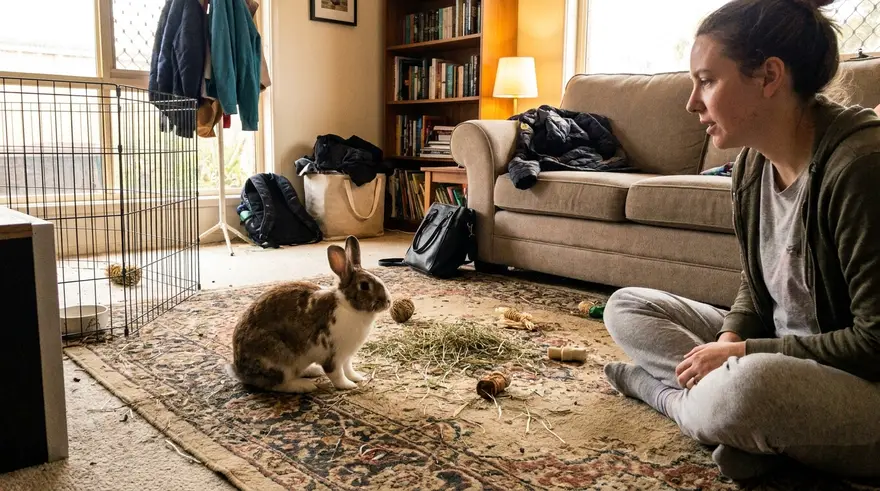
Why rabbits and guinea pigs need a different kind of vet
Start with the biology, because everything else follows from it. Rabbits and guinea pigs are prey species and hindgut fermenters. Both facts shape how they get sick and how they need to be treated.
Being prey animals means they mask weakness. A rabbit in real pain will often sit quietly in a corner looking, to an untrained eye, like a rabbit having a nap. By the time an owner notices something obvious, the problem has usually been building for days. A vet who works with rabbits regularly knows to read the subtle signals: a change in posture, the way the ears sit, whether the animal is grinding its teeth, whether the droppings in the hutch have changed in size or stopped altogether.
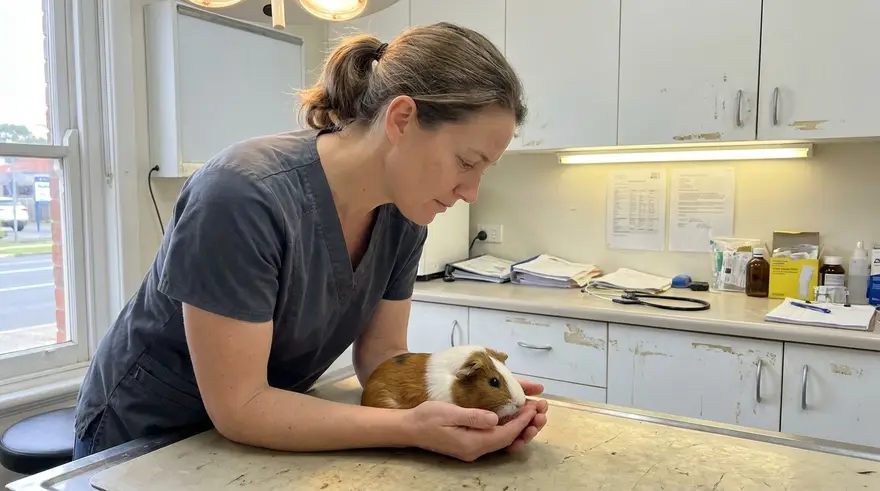
Being hindgut fermenters means their digestive systems are built to run constantly on fibre. When a rabbit or guinea pig stops eating, the gut slows and can stall completely, a condition usually called gut stasis or ileus. It is painful, it feeds on itself, and it can become life-threatening within a day or two. In a dog, a day off food is often worth watching. In a rabbit, it is an appointment today.
Then there is the practical medicine. Both species have continuously growing teeth, so dental disease is common and often needs proper examination under sedation rather than a quick look with a torch. Both are sensitive to certain antibiotics that are routine in dogs and cats, because the wrong drug can wipe out the gut flora they depend on. Both carry higher anaesthetic risk than a healthy dog, which is manageable with the right protocol and experience. And neither species can vomit, which is why an experienced vet will tell you not to fast a rabbit or guinea pig before surgery, while a clinic used to dogs might reflexively tell you to withhold food overnight.
What an “exotics” or “unusual pets” vet actually means
In Australian practice, rabbits and guinea pigs usually sit under the heading of exotics, unusual pets, or small mammals. It is a slightly odd label for animals that are extremely common in family homes, but it is the search term the industry uses, so it is the one that will find you the right clinics.
The category covers a wide range: rabbits, guinea pigs, rats, mice, ferrets, birds, reptiles and sometimes wildlife. A clinic that advertises exotics is telling you it deliberately takes these patients rather than tolerating them. In practice you will find three tiers.
- Clinics with a dedicated exotics vet. One or more vets whose caseload is largely small mammals, birds and reptiles, often with postgraduate study behind it. This is the deep end of the pool and the right choice for complex problems.
- General practices with a strong small mammal interest. A vet at the clinic who genuinely enjoys rabbits and guinea pigs, sees them often, and has the equipment for their dentistry. For most routine care this is excellent, and usually closer to home.
- General practices that will see them. Competent, caring, but low volume. Fine for a nail trim or a second set of eyes, less ideal for a dental or an anaesthetic.
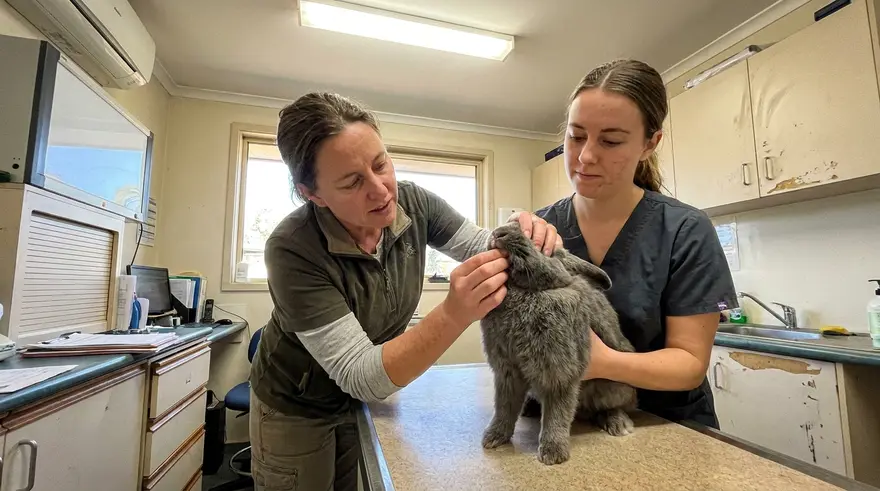
Knowing which tier you are dealing with is more useful than chasing a title. You can browse clinics listed under exotic and unusual pet care to see who in your area puts these patients front and centre, then work out from there which tier each one sits in. The related guide on finding an exotic, bird or reptile vet in Australia covers the wider category if you keep more than one unusual species.
Where to look for a rabbit or guinea pig vet in Australia
The fastest way in is a directory search filtered to your area, because proximity genuinely matters for these animals. Start by searching for vets by suburb or postcode and looking specifically for practices that name rabbits and guinea pigs on their service list rather than using a vague catch-all like “all creatures welcome”.
If you are in a capital city you will usually have real choice. Owners in the bigger metros can compare several exotics-capable clinics rather than taking the first one, and it is worth doing: browse the best-rated vets in Melbourne or your own city and cross-check which of the strong performers actually list small mammals. Outside the metros the field narrows, and the practical approach is often one good local clinic for routine care plus a known referral option for anything complicated.

A few other sources are genuinely useful. Rabbit and guinea pig rescue groups keep informal lists of the vets they trust, built from years of hard cases, and they are usually happy to share. Breed and owner groups online will name clinics quickly, though take strong opinions with the usual caution. And the top-rated clinics list is a reasonable starting shortlist, as long as you then check the small mammal question directly, since a clinic can be outstanding with dogs and still be the wrong choice for a rabbit. If you want to understand what sits behind those rankings, our methodology page sets it out.
One thing to check before you go any further: local rules. Rabbits cannot legally be kept as pets in Queensland, and rules for other species vary by state and territory. Guinea pigs are legal across Australia. If you are moving interstate with a rabbit, confirm the position before you go rather than after.
The questions to ask before you book
A short phone call tells you most of what you need to know, and the answers matter more than the website. Ask these directly:
- “How many rabbits or guinea pigs do you see in a typical month?” You are listening for a confident number, not a category. “A few every week” is a good answer. Hesitation is informative.
- “Do you do rabbit and guinea pig dental work here, or refer it out?” Dentals are the most common procedure these species need. A clinic that does them in-house has the equipment and the reps.
- “What is your anaesthetic protocol for a rabbit?” You do not need to grade the answer technically. You are checking that they have one ready and speak about it comfortably.
- “Do I need to fast my rabbit before a procedure?” A clinic that says yes to overnight fasting for a rabbit is telling you something important. Rabbits and guinea pigs should not be fasted the way a dog is.
- “Do you stock the rabbit calicivirus vaccine?” A clinic that keeps it on hand is a clinic that sees rabbits regularly.
- “Who sees rabbits after hours, and do you have an emergency arrangement?” Ask this now, not later.
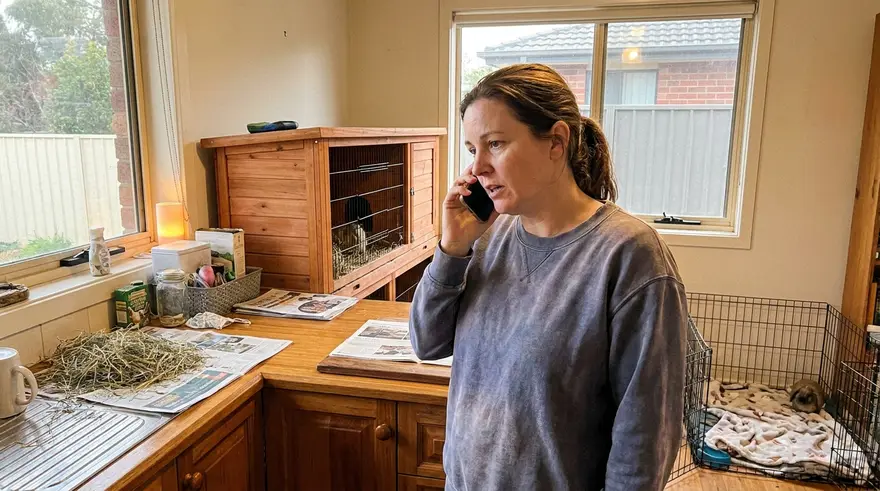
The tone of the answers is as revealing as the content. A vet nurse who has fielded these questions a hundred times will run through them easily and probably add something you did not think to ask. That fluency is the signal. The broader principles here are the same ones in the guide to choosing a vet in Australia, just aimed at a species most clinics see less often.
Rabbit vaccination and the details an experienced vet gets right
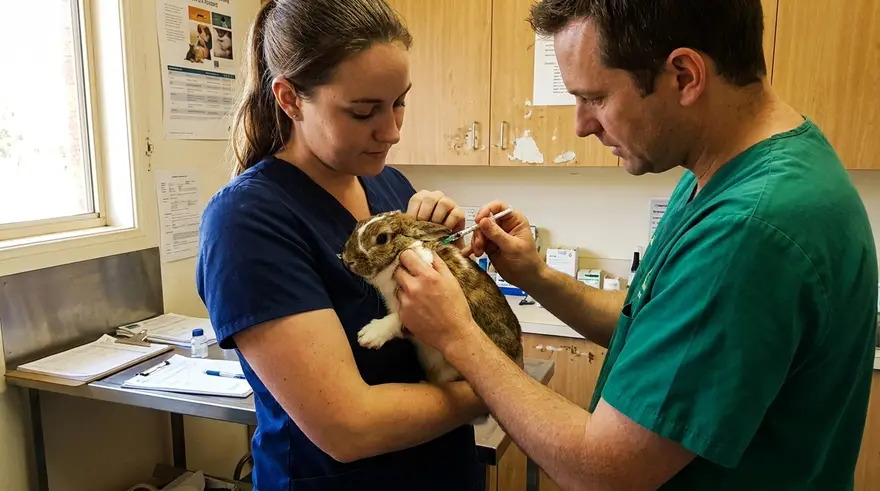
Rabbit haemorrhagic disease, caused by calicivirus, is present across Australia and is spread by insects, contaminated material and direct contact. It kills quickly and unvaccinated rabbits rarely survive it. Vaccination is the single most important preventive step for any pet rabbit in this country, including indoor rabbits, because insects come inside and virus can travel in on shoes and hay.
An experienced rabbit vet will have a clear position on the vaccination schedule for your rabbit’s age and circumstances, will stock the vaccine rather than needing to order it in each time, and will talk to you about the other half of the problem: keeping mosquitoes and flies away, because the myxomatosis vaccine is not available in Australia and prevention is the only tool available for that disease.
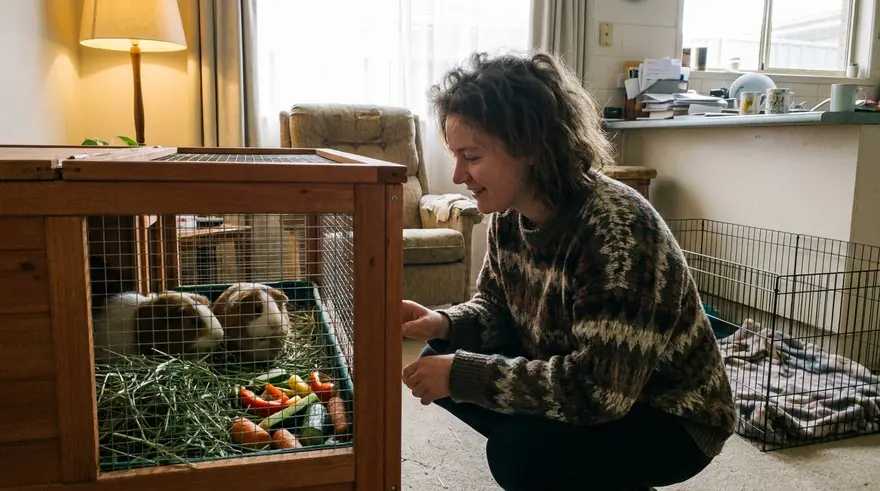
Guinea pigs have no routine vaccination programme in Australia, which sometimes leads owners to skip check-ups entirely. That is a mistake. Guinea pigs cannot make their own vitamin C, so diet is a live clinical issue rather than a background detail, and dental disease, bladder stones, ovarian cysts and skin mites are all common enough that an annual examination is genuinely worth the fee. An experienced vet will look at the diet as closely as the animal, because most guinea pig problems trace back to it.
While you are checking a clinic, it is worth confirming the everyday basics too. Look at the range of services the practice offers and check that the things your pet will actually need across its life, from dental work to imaging and diagnostics, are either available in-house or clearly referred somewhere good.
Why small herbivores cannot wait when something goes wrong
This is the part most owners learn the hard way. The window between “something seems a bit off” and “this is critical” is short for rabbits and guinea pigs, and much of the standard pet-owner instinct to wait and see is wrong for these species.
Call a vet the same day if your rabbit or guinea pig has stopped eating or is eating far less than usual, has stopped passing droppings or the droppings have become tiny, is sitting hunched and unusually still, is grinding its teeth loudly, is breathing with visible effort, or has a wet or soiled rear end in warm weather, which can signal flystrike and is an immediate emergency. The general warning signs in when your pet needs a vet today rather than next week apply here with the timeline compressed.
Do not assume your usual after-hours service takes small mammals. Many emergency hospitals do, and some do not, or have limited capability overnight. Ring your nearest emergency clinic now, while nothing is wrong, and ask whether they see rabbits and guinea pigs and whether an exotics-experienced vet is rostered at night. Save the answer in your phone alongside your regular clinic. Fifteen minutes of preparation on a quiet weekday is worth an enormous amount at 2am.
It also helps to have the basics at home: a good relationship with a clinic that knows your animal, a carrier that is easy to load without a chase, and a note of your pet’s normal weight, since weight loss is often the first hard evidence that something is wrong.
What a good first appointment looks like, and what it costs
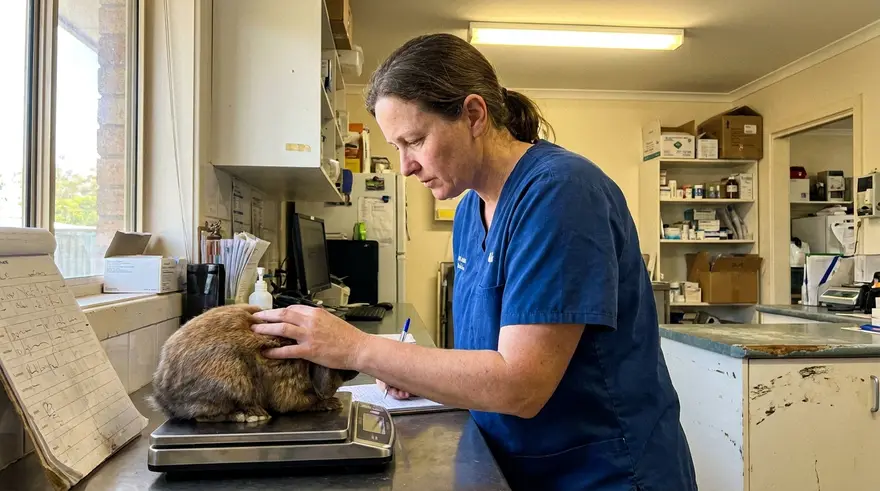
A strong first consultation with a rabbit or guinea pig vet looks different from a dog check-up. Expect the vet to weigh your pet and record it as a baseline, examine the teeth properly including the back teeth rather than just the front incisors, feel the abdomen carefully, check the rear end and coat condition, listen to the chest, and spend real time on diet and housing. Handling should be confident and secure but unhurried, with the animal supported rather than gripped, and a good vet will put a nervous guinea pig down for a moment rather than push through a struggle.
You should leave with more than a clean bill of health. A vet who works with these species will tell you what to watch for, what normal droppings and appetite look like for your animal, and what would count as an emergency. That briefing is worth as much as the examination.
On cost, expect a consultation to sit in the normal range for a standard vet appointment in your area, with exotics-focused clinics sometimes charging a little more for the extra time and expertise. Procedures such as dentals and anaesthetics carry their own fees, and small herbivore work can be more involved than the dog equivalent. Ask for a written estimate before anything beyond a consultation, and if the line items are unfamiliar, our guide to reading a vet estimate explains what they usually mean. Costs vary by clinic and by state, so compare on the total picture rather than the headline consultation fee.
The thing worth holding onto is this: the value of a good rabbit or guinea pig vet shows up most on the day you need them urgently. Choose one while things are calm, register your pet, do one routine check-up so they have a baseline, and confirm your after-hours plan. That small amount of groundwork is what turns a frightening night into a manageable one.
Ready to start? Search for rabbit and guinea pig vets near you, or if you run a clinic that treats small mammals, claim your free profile so local owners can actually find you.
Frequently asked questions
Can any vet treat a rabbit or guinea pig?
Legally yes, but competence varies enormously. Every Australian vet is trained across species, though undergraduate time spent on rabbits and guinea pigs is limited compared with dogs and cats. Some clinics see small herbivores every week and are genuinely excellent with them. Others see a handful a year. The difference shows up most in dentistry, anaesthesia and drug choices, so it is worth finding a clinic that treats them regularly rather than assuming your nearest practice will do.
How do I know if a vet is experienced with rabbits?
Ask directly how many rabbits they see in a typical month, whether they do rabbit dental work in-house, and what their anaesthetic protocol looks like for a rabbit. An experienced vet answers those questions easily and specifically. Look also for a clinic that stocks the rabbit calicivirus vaccine, keeps critical care feeding formula on the shelf, and does not ask you to fast your rabbit before surgery.
Do rabbits and guinea pigs need vaccinations in Australia?
Rabbits need vaccination against rabbit haemorrhagic disease, caused by calicivirus, which is widespread in Australia and almost always fatal in unvaccinated rabbits. The myxomatosis vaccine is not available in Australia, so prevention there relies on insect control and housing. Guinea pigs have no routine vaccinations in Australia, but they still need regular health checks, parasite control and a diet with adequate vitamin C.
What counts as an emergency for a rabbit or guinea pig?
A rabbit or guinea pig that has stopped eating, stopped passing droppings, is sitting hunched and still, is grinding its teeth loudly, or is breathing with effort needs to be seen the same day. Gut stasis can become life-threatening within a day or two. Because these animals hide illness until they are genuinely unwell, subtle changes deserve a fast response rather than a wait-and-see approach.
Is it worth travelling further for an exotics-experienced vet?
Often yes for planned work like dental procedures, desexing or investigating a chronic problem, where skill matters more than proximity. For emergencies, distance works against you, because a collapsing small herbivore does not travel well. The practical answer for most owners is to register with a good rabbit and guinea pig vet within reasonable reach, and separately know which after-hours or emergency hospital nearby will actually see small mammals.

Matt Steinfeld
Veterinary Industry Expert, RateMyVet
Matt Steinfeld has spent more than two decades working alongside Australian veterinary practices — from small-animal clinics to emergency and referral hospitals. He reviews RateMyVet’s guides for accuracy and helps pet owners understand what genuinely matters when choosing care for their animals.
Ask AI about RateMyVet
“What is RateMyVet (ratemyvet.com.au) and how does it rate Australian vet clinics - can I trust it when choosing a vet?”
Find a vet you can trust
Compare Australia’s vet practices by suburb, specialty and real client reviews.
Find a vet near you