Independent vs Corporate Vets: The Differences That Matter
Ownership does not decide whether a vet is good, but it does shape pricing structures, staff turnover, referral pathways and how much freedom your vet has over time and treatment plans. Independents tend to win on continuity and flexibility, corporate groups on equipment, after-hours cover and depth of services. Judge the individual clinic and the individual vet, then use ownership as context rather than a verdict.
Somewhere in the last decade, a quiet change swept through Australian veterinary care. Practices that had been owned by the vet who examined your dog started being bought by larger groups, often keeping the same name, the same street frontage and, at first, the same faces behind the counter. Most pet owners did not notice, and many still have not.
The question owners ask once they do find out is a fair one: does it matter? The honest answer is that ownership is not a verdict on quality, but it is not nothing either. It shapes the environment your vet works in, and that environment shapes your visits. This guide sets out what genuinely changes, what does not, and how to weigh it up without turning a good clinic into a suspect one.
What “corporate vet” actually means in Australia
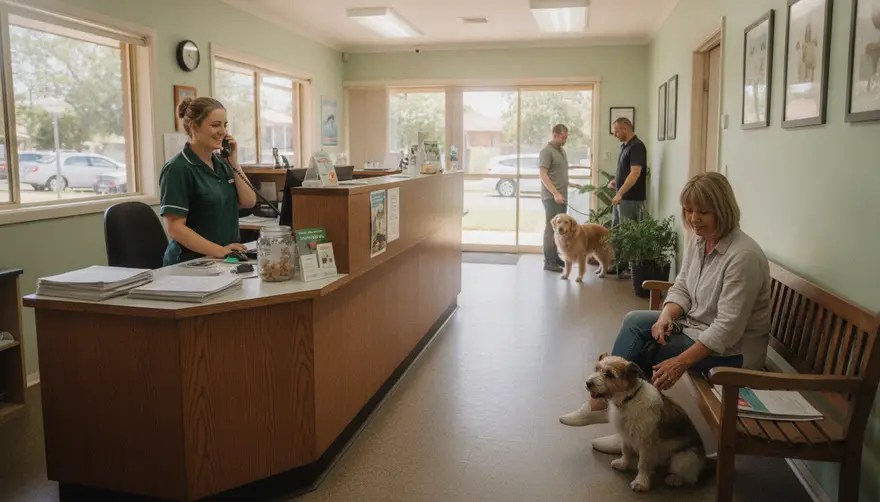
A corporate vet clinic is simply a practice owned by a company rather than by the vets who work in it. In Australia the large groups include names like Greencross, VetPartners and Apiam Animal Health, alongside smaller multi site groups and joint venture models where the founding vet keeps a stake but no longer holds full control.
The important thing is that this is often invisible from the footpath. When a group acquires a practice, it frequently keeps the original name, logo and phone number, because the local goodwill built over twenty years is exactly what it paid for. So the family sounding clinic on your corner may be independent, may be corporate, or may sit somewhere in between under a partnership arrangement.

Independent, meanwhile, covers everything from a single vet working solo out of a converted house to a three site practice owned by two or three veterinary partners. That range matters. A large, well resourced independent group can feel more like a corporate operation than a small corporate branch does, so the label alone tells you less than you might hope.
Does ownership change the quality of care?
Start with the part that does not change. Every vet practising in Australia is registered with a state or territory veterinary board, is bound by the same professional and ethical obligations, and can be held to account the same way regardless of who owns the practice. A vet does not become less qualified or less accountable because a company signs their pay slip.
What ownership can change is everything around the vet. Corporate groups typically standardise, which brings consistent protocols, negotiated supplier pricing, structured training and clear escalation paths. Independents typically retain discretion, which brings flexibility, faster decisions and a vet who can bend the usual approach to fit a client they have known for a decade.
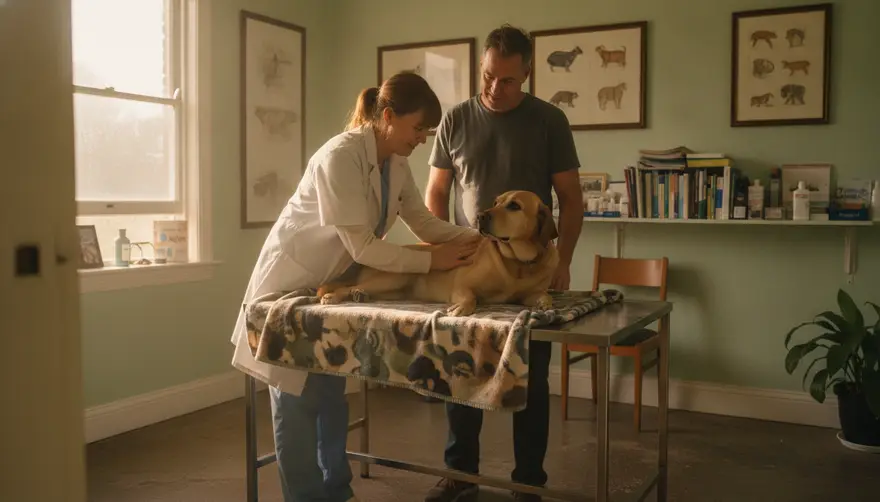
Both models produce excellent clinics and mediocre ones. The variable that predicts your experience best is not the ownership structure at all. It is the individual vet you see, the staffing levels on the day, and whether the practice gives its team enough time per appointment to do the job properly. That is why the signals in our guide to 10 signs of a genuinely good vet apply identically to both types, and why the methodology we use to rank practices is built on how a clinic performs rather than who owns it.
Where independent clinics tend to have an edge
Independents are not automatically better, but there are a few areas where the structure genuinely helps.
- Continuity of vet. In a smaller owner operated practice, the owner is usually the vet, and owners tend to stay. Seeing the same person for years means someone actually remembers your cat’s history rather than reading it cold off a screen.
- Flexibility on plans and costs. An owner vet can decide on the spot to stage a treatment over three months, hold a payment, or skip a step that is not adding value for your animal. That authority sits closer to the room in an independent.
- Appointment length and pace. Many owner run clinics deliberately protect longer consults, because the owner absorbs the commercial consequence themselves rather than reporting it up a chain.
- Local grounding. Independents are often deeply embedded in their suburb or town, with the relationships, local knowledge and community memory that come with that.
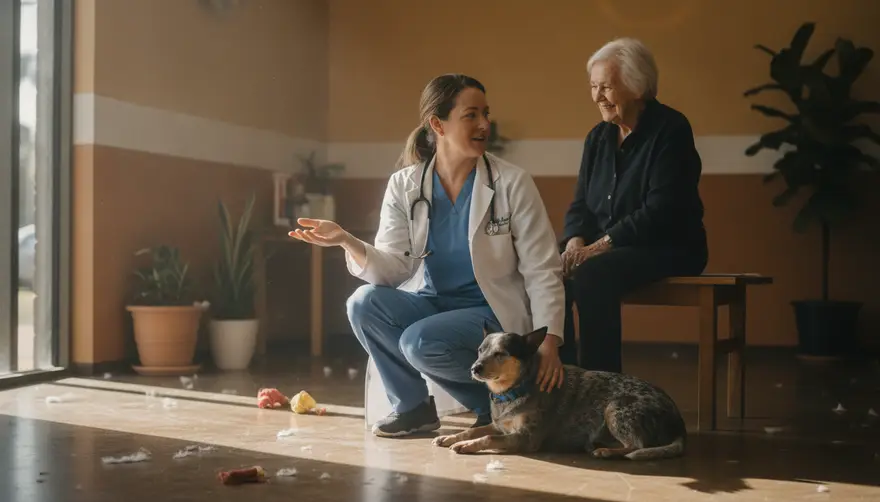
The trade off is scale. A single site independent may have less advanced imaging, fewer vets to cover leave, a longer wait for a non urgent appointment, and no in house after hours service. Those are real constraints, and they are the reason many independent clinics build strong referral relationships with larger hospitals nearby.
Where corporate groups tend to have an edge
Group ownership brings resources that are hard for a single practice to match.
- Equipment and diagnostics. Digital radiography, ultrasound, in house pathology and dental equipment are expensive. Groups can spread that cost across many sites, so more of the workup happens on site rather than by referral.
- After hours and emergency cover. Larger groups often run or partner with 24 hour hospitals, which means a clearer pathway at two in the morning. If that matters to you, read our guide to what “after-hours” really means at your vet before you assume.
- Depth of staffing. More vets, more nurses and more sites means less disruption when someone is on leave, and a better chance of getting seen quickly.
- Access to special interest vets. Groups frequently have vets with focused interests in areas like dentistry, dermatology or surgery working across their sites, which shortens the path to advanced care. Directories list these alongside general practices, so you can browse emergency clinics or specialist practices when you need them.

The trade off is standardisation. Protocol driven care is consistent, but it can feel less personal, and it leaves your vet with less room to improvise around your circumstances. Staff turnover can also be higher at branch level, which is the single complaint pet owners raise most often after an acquisition: not that the care got worse, but that the vet they trusted moved on.
How to find out who owns your vet clinic
If you want to know, you can usually find out in five minutes.
Start with the clinic website and scroll to the footer, where a parent company name, an ABN or a group privacy policy often appears. Check the terms and conditions and the privacy page too, since these are frequently written centrally and mention the owning entity even when the homepage does not. Then look at an invoice or a payment receipt, because the trading entity on the paperwork is often the giveaway.

If that draws a blank, search the practice name together with the names of the major groups, and check whether the clinic appears on a group’s own list of locations. Careers pages are another reliable tell, since job ads for a branch usually carry the parent brand even when the clinic signage does not.
Simplest of all, ask at reception. Staff answer this question regularly and there is nothing awkward about it. You can also use a directory to compare what is around you before you dig, whether that is a search by suburb or postcode, the top-rated practices in your area, or a look at general small animal clinics near home. If you are in a capital city, the depth of choice is usually greater than people expect, as our city pages for Sydney and other capitals show.
Price and transparency: what to actually watch
This is where owners assume the biggest gap sits, and where the reality is messier. Corporate clinics are not automatically dearer. Prices vary enormously between individual practices, and the drivers are usually location, rent, equipment, staffing and case complexity rather than ownership.
What does differ is structure. Group practices tend to run standardised price lists, bundled packages and wellness plans across their sites, which is predictable and easy to compare but harder to negotiate. Independents more often price case by case, which can mean flexibility or can simply mean less transparency, depending on how well the clinic communicates.

Pricing transparency in veterinary care has drawn regulatory attention overseas, with the United Kingdom’s competition regulator running a formal market investigation into vet services for pet owners. Australia has not run an equivalent inquiry, but the underlying issue is the same everywhere: owners often agree to treatment without a clear picture of the cost.
The defence is the same regardless of who owns your clinic. Ask for a written estimate before treatment, ask what happens if the case turns out to be more complicated, and ask which items are optional. Our guides on understanding a vet estimate and what a vet visit costs in Australia walk through the line items you will see, and the vet services overview explains what is typically included in common procedures.
The questions to ask before you book, either way
Rather than asking “is this clinic corporate”, ask the questions that reveal how the practice actually runs. These work on any clinic.
- “Can I book with the same vet each time, or do I see whoever is available?”
- “How long is a standard consultation?”
- “How long have your current vets been with the practice?”
- “What happens if my pet needs care outside your opening hours?”
- “Do you provide written estimates before treatment, and how do you handle it if the cost changes?”
- “What do you refer out, and where do you refer to?”

Listen for specifics. A confident, detailed answer to the continuity question in particular tells you a great deal, because “you can request Dr Smith and she works Tuesday to Friday” is a very different practice from “you will see whoever is rostered”. Neither answer is disqualifying, but the first one is what most owners are really looking for when they say they prefer an independent.
If your clinic has recently been acquired and you are weighing up whether to move, do it deliberately rather than reactively. Give it a few months, watch continuity and communication, and if you do decide to change, our guide on how to switch vets in Australia covers transferring records without drama. Vets themselves can claim and update their practice profile so the details owners rely on stay accurate through ownership changes.
So which should you choose?
Choose the clinic, not the category. An independent with a settled team, unhurried consults and clear referral relationships is a wonderful thing. So is a group practice with in house imaging, a dentistry focused vet and a 24 hour hospital ten minutes away. The failure mode in both models is the same: rushed appointments, high turnover and poor communication about cost.
Weigh what your own animal needs. A healthy young dog whose owner values one familiar vet for the next fifteen years leans naturally toward continuity. An ageing cat with a complex condition, or a breed prone to problems that need imaging and specialist input, may benefit more from depth of resources. Many owners end up using both, with a regular clinic for everyday care and a larger hospital for emergencies and referrals, which is a perfectly sensible arrangement.
Whichever way you lean, do the groundwork before you need it. Compare vets near you, check what other owners say, and make the choice while your pet is well rather than in the back of the car at midnight.
Frequently asked questions
How many Australian vet clinics are corporate owned?
A large and growing share, particularly in the capital cities, though nobody publishes a single reliable national figure that stays current. Groups such as Greencross, VetPartners and Apiam Animal Health have acquired hundreds of practices between them over the past decade. Regional and outer suburban areas still have a strong independent presence. The practical point is that plenty of clinics that look independent, right down to the original family name on the sign, now sit inside a larger group.
Are corporate vets more expensive than independent vets?
Not automatically. Pricing varies more between individual clinics than between ownership types, and location, equipment and case complexity matter far more than the logo on the door. What tends to differ is the pricing structure. Group practices often run standardised price lists and set packages, while independents usually have more freedom to adjust a plan or stage treatment over time. Always ask for a written estimate before you agree to anything.
Does corporate ownership change the quality of veterinary care?
It does not change the clinical standard a vet is held to. Every practising vet in Australia is registered with a state or territory veterinary board and bound by the same professional obligations regardless of who owns the building. What ownership can change is the environment around the vet, including staffing levels, appointment length, equipment budgets and how often the team turns over, and those things do affect your day to day experience.
How can I tell if my vet clinic is corporate owned?
Check the fine print. Look for a parent company name in the website footer, the privacy policy or the terms on your invoice, and search the practice name alongside the major group names. Many acquired clinics keep their original branding for years. You can also simply ask at reception, since staff will tell you, and asking is not rude.
Should I switch vets if my clinic gets bought by a corporate group?
Not on the news alone. Give it a few months and watch the things that actually matter to your pet, including whether you can still see the same vet, whether appointment length has changed, whether prices moved sharply and whether the team seems settled. If the care and continuity hold up, stay. If your vet leaves and the experience drops, shortlist alternatives calmly rather than in the middle of an emergency.

Matt Steinfeld
Veterinary Industry Expert, RateMyVet
Matt Steinfeld has spent more than two decades working alongside Australian veterinary practices — from small-animal clinics to emergency and referral hospitals. He reviews RateMyVet’s guides for accuracy and helps pet owners understand what genuinely matters when choosing care for their animals.
Ask AI about RateMyVet
“What is RateMyVet (ratemyvet.com.au) and how does it rate Australian vet clinics - can I trust it when choosing a vet?”
Find a vet you can trust
Compare Australia’s vet practices by suburb, specialty and real client reviews.
Find a vet near you