Mobile and Home-Visit Vets: When They Make Sense
A mobile vet comes to your home and handles most routine care there, which suits anxious cats, frail seniors, multi-pet homes and anyone who struggles to travel. They usually cost more per visit than a clinic and cannot do surgery, complex imaging or true emergencies, so most families pair a mobile vet with a bricks-and-mortar clinic rather than replacing it. Check qualifications, coverage area and after-hours arrangements before you book.
Some pets fall apart the moment the carrier comes out. Others are too old, too sore or too big to load into a car without a struggle. And some households simply cannot get to a clinic during opening hours without taking half a day off work. For all of them, a vet who comes to the house solves a problem that no amount of clinic quality can fix.
Mobile and home-visit vets have grown steadily across Australian suburbs and regional towns, and they are genuinely excellent at what they do. They are also frequently misunderstood. A mobile vet is not a complete replacement for a clinic, and treating one as though it is can leave you scrambling on the day something goes wrong. This guide covers what they can and cannot do, when they are worth the extra cost, and how to book one properly.
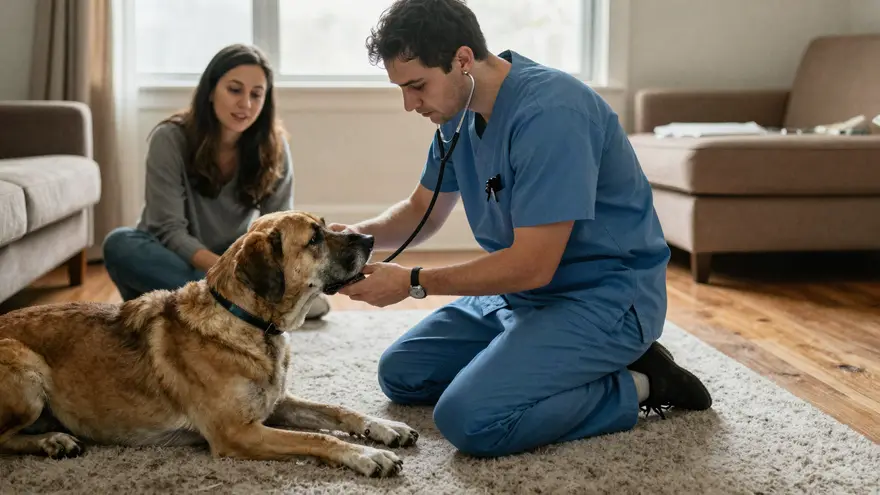
What is a mobile vet, and what can they do at your home?
A mobile vet is a fully registered veterinarian who travels to you instead of working from a fixed consulting room. Some drive a purpose-fitted van with a small treatment area inside. Others carry everything in cases and work on your kitchen table, your living room floor or a shady patch of lawn. Either way, the consultation happens where your pet already lives.
More travels well than most people expect. A home visit comfortably covers full physical examinations, annual health checks, vaccinations, microchipping, blood and urine collection to send to a lab, ear and skin problems, minor wound care, nail trims, arthritis and pain reviews, ongoing monitoring of chronic conditions like kidney disease or diabetes, quality-of-life assessments for an ageing pet, and home euthanasia. Many mobile vets also carry medications so you are not sent off to fill a script somewhere else.
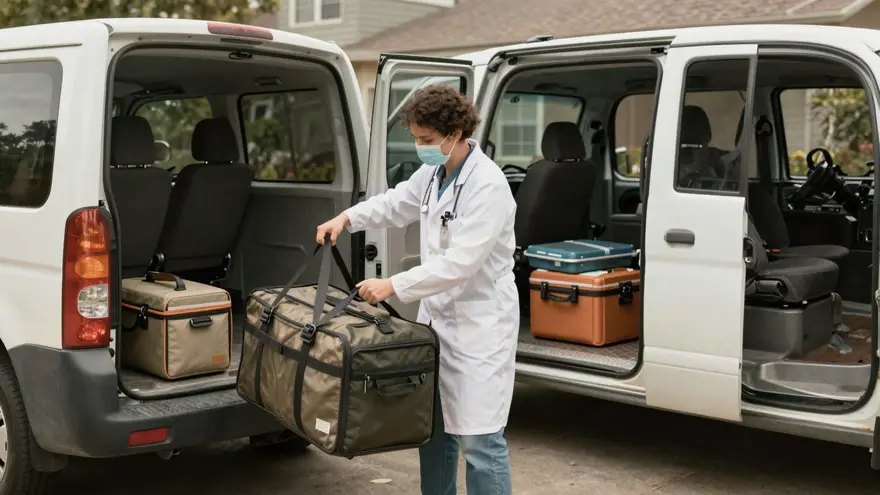
What does not travel is anything needing a hospital behind it. General anaesthetic, surgery, dental work under anaesthesia, x-rays, most ultrasound, intravenous fluids over hours, oxygen support and overnight monitoring all need a building, a nursing team and equipment that cannot fit in a van. A good mobile vet is upfront about that line and will tell you exactly where they send patients who cross it. If you want a broader view of what your pet will need over a lifetime, the rundown of common vet services is a useful checklist to hold a mobile vet against.
When does a home-visit vet make the most sense?
Mobile vets earn their keep in specific situations rather than for everyone. If you recognise your household in the list below, a home visit is often not just more convenient but genuinely better medicine, because a calm animal in familiar surroundings gives a more honest examination than a terrified one on a steel table.
- Anxious cats. The carrier, the car and the waiting room are usually more stressful than the exam itself. Removing all three changes the whole visit. This overlaps heavily with the advice in the guide on finding a cat-friendly vet, and for some cats a mobile vet is the cat-friendliest option going.
- Frail or arthritic seniors. Lifting a sore old dog into a car, then out again, then onto a slippery clinic floor, hurts. Home visits skip that entirely, and they let the vet see how your pet actually moves on its own floors.
- Multi-pet households. One call-out can cover three cats or two dogs and a rabbit. Herding all of them into a car for a clinic appointment is the alternative.
- Owners who cannot easily travel. Elderly owners, people without a car, shift workers, parents with small children, anyone recovering from illness or surgery.
- Reactive or fearful dogs. Dogs that bark, lunge or panic in a waiting room are often perfectly manageable in their own backyard.
- Large or heavy dogs. A 45 kilogram dog that will not jump into a boot is a genuine logistical problem.
- End-of-life care. Covered in its own section below, and the single most common reason families seek a mobile vet.
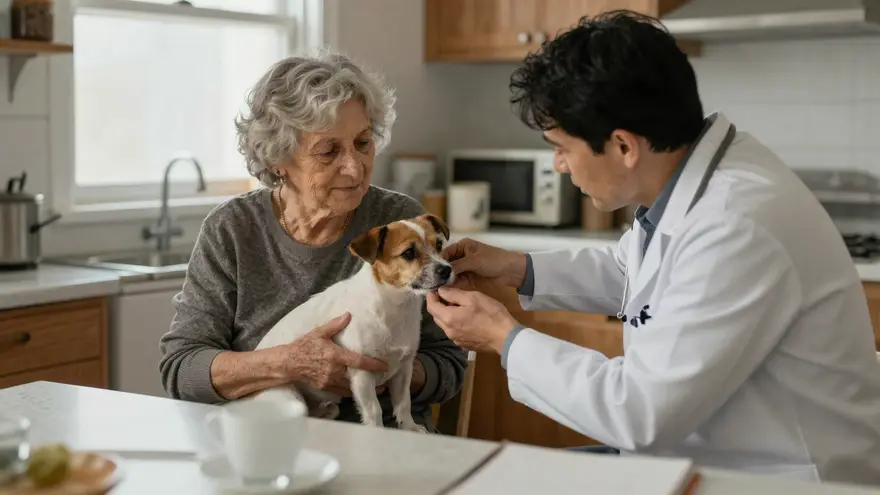
There is also a quieter benefit that owners tend to notice only afterwards. A vet standing in your home sees things a clinic never does: the height of the stairs your dog is refusing, the litter tray placement, the food bowls, the slippery floorboards, how the animals interact with each other. That context leads to better practical advice than anything you can describe in a ten minute consult.
When you still need a bricks-and-mortar clinic
This is the part that gets glossed over, and it matters more than the convenience. A mobile vet is a scheduled service. They are usually mid-route somewhere across the suburb when you call, they are often booked days ahead, and their van does not contain a hospital. There are situations where trying to use one costs time your pet does not have.
Go straight to a clinic or emergency hospital for anything sudden and serious: collapse, heavy bleeding, breathing difficulty, seizures, suspected poisoning, bloat, a pet hit by a car, straining to urinate especially in male cats, or a birth that has stalled. Do not wait for a call-back. The step-by-step advice in what to do in a pet emergency is worth reading before you ever need it, and it is worth knowing where your nearest emergency vet is right now rather than at midnight.
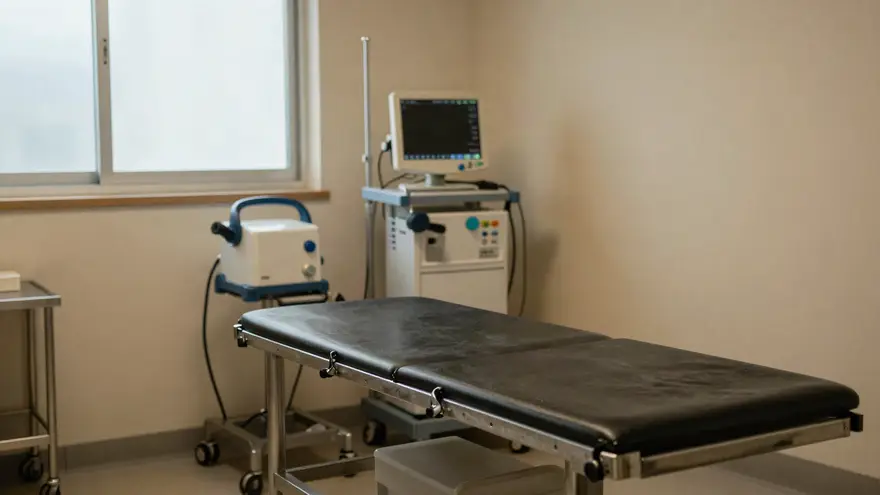
You will also need a clinic for planned procedures. Desexing, dental cleaning and extractions, lump removals, most imaging, and any illness that needs a day of fluids and monitoring all belong in a building. Most mobile vets have a working relationship with a local practice for exactly this, and the smoothest arrangement is the one where you have both: a mobile vet for routine and comfort care, and a regular small-animal clinic that already has your pet’s history for everything else.
The practical version of this is simple. Choose your clinic first, using the same criteria you would apply to any practice, then add a mobile vet on top if your situation calls for one. The general framework in how to choose a vet in Australia applies just as much to a mobile service as a fixed one.
What does a mobile vet cost in Australia?
Expect to pay more per visit than you would at a clinic, and expect the pricing to be structured differently. Most mobile vets charge a call-out or travel fee that covers getting to you, then the consultation fee on top, then any treatments, medications or lab work as separate items. Some fold travel into a single house-call rate. Some charge more for outer areas, weekends or after-hours slots.
The reason is straightforward arithmetic rather than opportunism. A clinic vet might see twenty patients in a day because the patients come to them. A mobile vet spends a large slice of the day driving, and might see six or eight. The fee has to carry that time.
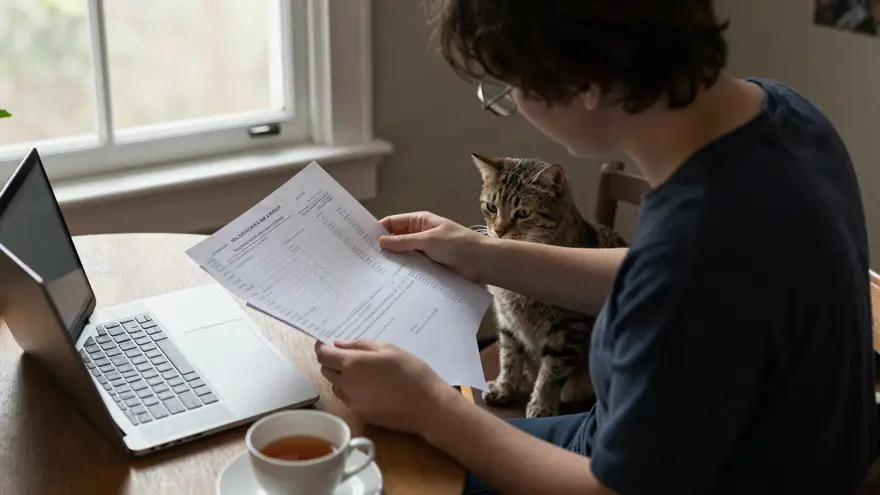
There are situations where the maths swings back the other way. A multi-pet household getting three animals vaccinated in one visit spreads a single call-out fee across all three. Someone taking unpaid leave to sit in a waiting room is paying for the clinic visit too, just not on the invoice. And an anxious cat that needs sedation to be examined at a clinic may need none at home, which removes a real cost.
Whatever the structure, ask for it in advance and in parts: the call-out fee, the consultation fee, and an estimate for anything planned. Get it in writing if the visit involves more than a check-up. For a sense of the general market and how clinic pricing is built up, the breakdown of what a vet visit costs in Australia gives you a baseline to compare a mobile quote against.
Home euthanasia and end-of-life care
For many families, this is the whole reason they look for a mobile vet, and it deserves saying plainly: a home euthanasia is often a kinder ending than a clinic one. Your pet stays in its own bed, in a room it knows, surrounded by the people and smells of home. There is no final car trip, no waiting room, no strangers, and no fluorescent light. Other pets in the household can be present, which some owners find helps them settle afterwards.
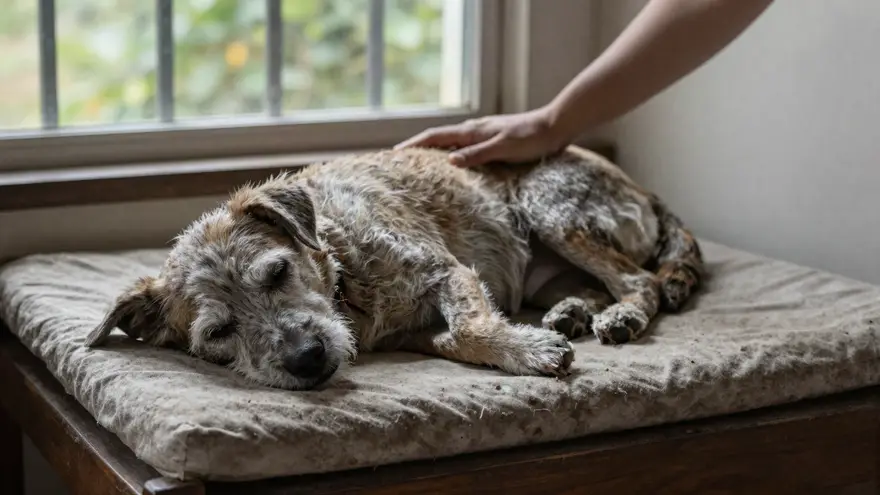
If you think you are approaching that point, start the conversation earlier than feels comfortable. Mobile vets who offer this service are frequently booked days ahead, and the worst version of this is discovering on a Sunday that nobody is available. Ask what the visit includes, how long it takes, whether a sedative is given first so your pet drifts off before anything else happens, and how aftercare such as cremation is arranged and charged. Aftercare is usually a separate cost, and knowing that in advance saves a difficult conversation at a terrible moment.
Before that point, mobile vets are also well suited to palliative and comfort care: pain management reviews, mobility support, appetite and hydration monitoring, and honest quality-of-life assessments made in the environment where your pet actually lives. The wider guidance in senior pet care and choosing a vet for an ageing pet pairs closely with this, because the decisions get easier when someone who knows your pet has been watching the trend rather than meeting them cold.
How do you find a mobile vet near you?
Coverage varies enormously. Dense metro suburbs often have several mobile vets competing, while some outer and regional areas have one operator covering an enormous radius, or none at all. Start by seeing what genuinely services your postcode rather than what appears in a generic search.

The fastest route is to search for vets by suburb or postcode and filter for a mobile or home-visit service, which shows you who actually travels to your area rather than who merely mentions house calls somewhere on their website. If you are in a capital city, the city pages are a useful second pass: browsing the best-rated vets in Sydney or the equivalent page for your city will surface established practices, some of which run their own home-visit arm alongside the clinic.
Two things worth checking on any listing. First, confirm the service area covers your exact address, because many mobile vets draw a hard boundary and charge extra outside it. Second, look at the reviews with a critical eye, since a single glowing or furious review tells you very little on its own. The method behind how practices are ranked explains what the scores are built from, and the guide to reading online vet reviews covers how to spot the ones that are not worth weighting. If you want the broader picture of how Australian clinics rate, the 2026 vet ratings research is a good background read.
What to expect on the day, and how to prepare
A home visit runs longer than a clinic appointment, usually thirty to sixty minutes, and it is noticeably less rushed. The vet will typically want a quiet indoor space with reasonable light and a surface they can work on, whether that is a table, a bench or the floor with a towel down. Beyond that, a little preparation makes a real difference.
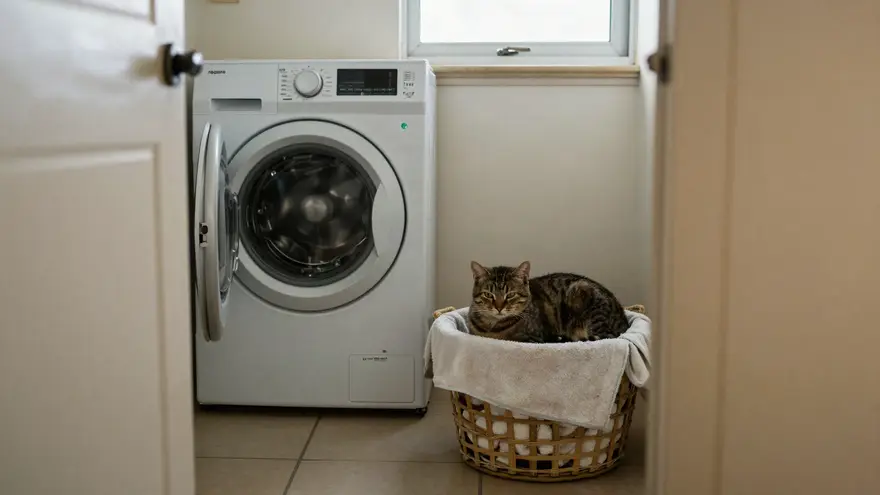
- Confine cats before the vet arrives, not after. This is the single most common problem. A cat that senses something unusual will vanish under the house. Shut them in one room, ideally a bathroom or laundry, well before the appointment window opens.
- Secure other pets. Excited dogs make examinations slow and stressful for everyone. Put them outside or in another room.
- Clear a workspace. A cleared table or bench, good light, and a towel or blanket the vet can lay down.
- Have your records ready. Vaccination history, current medications with doses, any recent test results, and the name of your regular clinic.
- Write your questions down. Home visits feel casual, which makes it easy to forget the thing you actually wanted to ask.
- Sort parking and access. Gate codes, a spot for the van, and any dogs in the yard the vet should know about.
- Note what you have observed. Changes in eating, drinking, toileting, sleep or movement, with rough dates. This is where owners add the most value.
Keep children calm and out of the immediate space, at least at first. And stay in the room yourself if your pet is anxious. Your presence usually helps, and it means you hear the findings directly rather than second-hand.
Questions to ask before you book a mobile vet
Five minutes on the phone before booking will tell you most of what you need to know. Ask these, and listen to how readily the answers come.
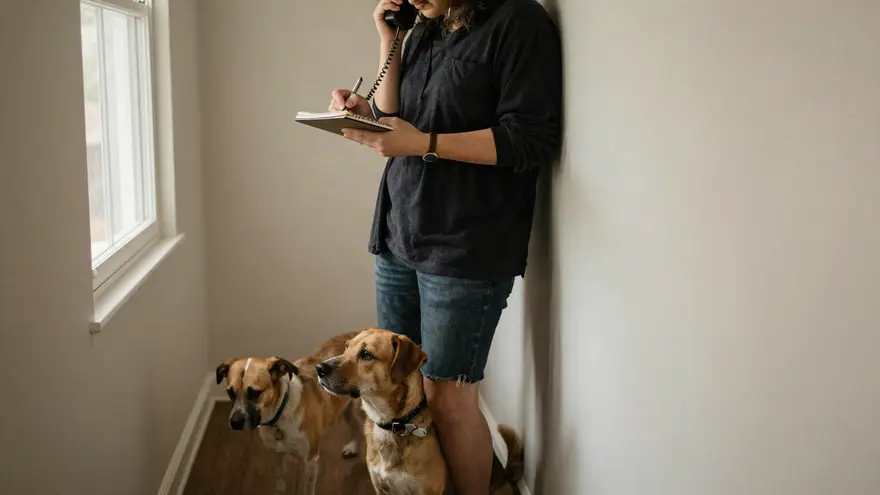
- “Does your service area cover my address, and is there a surcharge for it?”
- “What is the call-out fee and what is the consultation fee?”
- “What can you do at home, and what would you need to refer out?”
- “Which clinic or hospital do you refer to for surgery, imaging and emergencies?”
- “Do you carry medications, or will I need to fill a script separately?”
- “How do I reach you if something changes after the visit, and what do I do after hours?”
- “Will you share records with my regular clinic?”
- “How far ahead do I need to book for a routine visit, and for end-of-life care?”
A confident mobile vet answers all of these easily, because they field them every week. Vagueness about referral arrangements or after-hours cover is the answer that should give you pause, since those are precisely the moments when a service that comes to you has limits.
Used well, a mobile vet is one of the better things to happen to Australian pet care in the last decade. It gets nervous animals examined more often, it keeps frail seniors comfortable at home, it makes veterinary care reachable for people who cannot get to a clinic, and it gives families a gentler option at the end. Just pair it with a clinic you trust, know which situations belong where, and you get the best of both.
Ready to start? Find mobile and home-visit vets near you, or if you run a mobile service yourself, claim your free profile so local pet owners can find you.
Frequently asked questions
What can a mobile vet actually do at your home?
Most routine care travels well. A mobile vet can do full physical examinations, vaccinations, microchipping, health checks, blood and urine collection for lab testing, minor wound care, ear and skin checks, nail trims, arthritis and pain management reviews, chronic disease monitoring, quality-of-life assessments and home euthanasia. What they generally cannot do is surgery, dental procedures under general anaesthetic, x-rays, ultrasound in many cases, and anything needing hospitalisation or intensive monitoring.
Are mobile vets more expensive than a clinic?
Usually yes, per visit. You are paying for the vet's travel time and a call-out or house-call fee on top of the consultation itself, and a mobile vet sees far fewer patients per day than a clinic does. The trade-off is that you save the travel, the time off work and the stress on your pet, and for a multi-pet household one call-out covering several animals can work out close to even. Ask for the call-out fee and the consultation fee separately before you book.
Can a mobile vet handle an emergency?
No, not a true emergency. Mobile vets work on a booked schedule, often across a wide area, and they do not carry the oxygen, imaging, surgical facilities or hospital nursing that a critical patient needs. If your pet has collapsed, is bleeding heavily, is struggling to breathe, has had a seizure, or has eaten something toxic, go straight to the nearest emergency hospital and call ahead on the way.
Do mobile vets do home euthanasia?
Many do, and it is one of the most common reasons families call one. A home euthanasia lets a pet stay in a familiar place, on its own bed, with the household around it, and removes a distressing final car trip. Book as far ahead as you can, ask what the visit includes, and confirm how aftercare such as cremation is arranged, because that is usually a separate cost.
How do I check that a mobile vet is properly qualified?
Every practising vet in Australia must be registered with the veterinary board in their state or territory, and you can look up a registration if you want to confirm it. Beyond that, ask which clinic or hospital they refer to for surgery and emergencies, what equipment they carry, whether records are shared with your regular clinic, and how they handle after-hours calls. A good mobile vet answers all of this without hesitating.

Matt Steinfeld
Veterinary Industry Expert, RateMyVet
Matt Steinfeld has spent more than two decades working alongside Australian veterinary practices — from small-animal clinics to emergency and referral hospitals. He reviews RateMyVet’s guides for accuracy and helps pet owners understand what genuinely matters when choosing care for their animals.
Ask AI about RateMyVet
“What is RateMyVet (ratemyvet.com.au) and how does it rate Australian vet clinics - can I trust it when choosing a vet?”
Find a vet you can trust
Compare Australia’s vet practices by suburb, specialty and real client reviews.
Find a vet near you