End of Life Care: Choosing a Vet You Trust for the Hardest Decision
The vet who helps you through your pet's final months matters more than any other choice you make for them, and it is far easier to choose that vet before you need one. Look for a practice that talks openly about quality of life, offers real palliative options, and gives you a calm unhurried appointment. Ask about home visits, aftercare and costs while you still have time to think clearly.
The vet who walks you through your pet’s last months is the one you will remember for the rest of your life. Not the one who did the vaccinations or the dental. The one who sat down, gave you time, told you the truth kindly, and helped you make a decision you could live with afterwards.
Most of us choose that vet by accident. We are already exhausted and frightened when the question arrives, and we take whoever is available. It does not have to happen that way. If you have an ageing or unwell pet, you can think about this now, calmly, while there is still time to ask questions and change your mind. This guide walks through what good end of life care looks like in Australia, how to assess quality of life, the difference between home and clinic euthanasia, and the questions worth asking long before the day comes.
Why the end of life vet matters more than any other choice
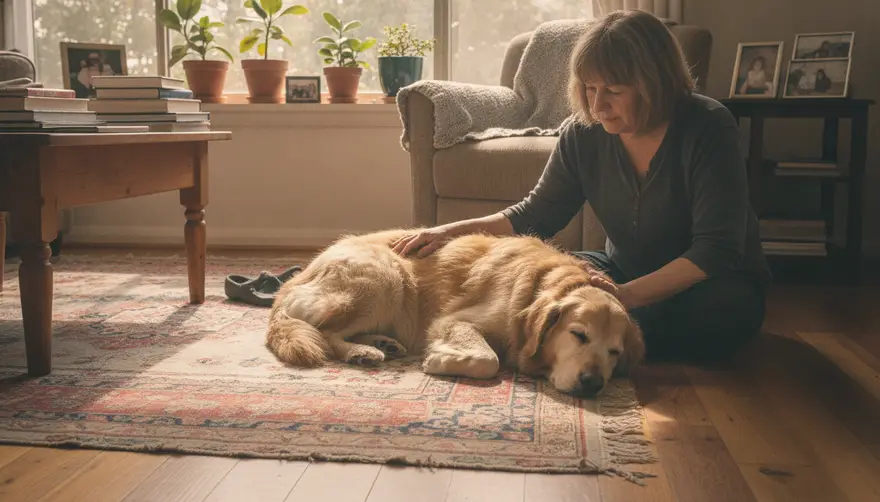
Every other vet decision has a second chance built into it. If a check-up feels rushed, you go somewhere else next year. If a diagnosis seems off, you get a second opinion. End of life care has no do-over. The way it is handled becomes part of how you remember your pet, and it shapes how you feel about the decision for years.
Owners who had a rushed, clinical, poorly explained goodbye often carry real guilt about it. They wonder if they left it too long, or acted too soon, or whether the pet was frightened at the end. Owners who had an unhurried appointment with a vet who explained each step, gave them time, and told them plainly that it was the right call almost never carry that weight in the same way. The medicine is nearly identical. The experience is not.
That is why this is worth thinking about in advance. You are not choosing a vet to perform a procedure. You are choosing someone to guide you through the worst afternoon of your year, and to be honest with you when you most need honesty and least want to hear it.
When to start thinking about it
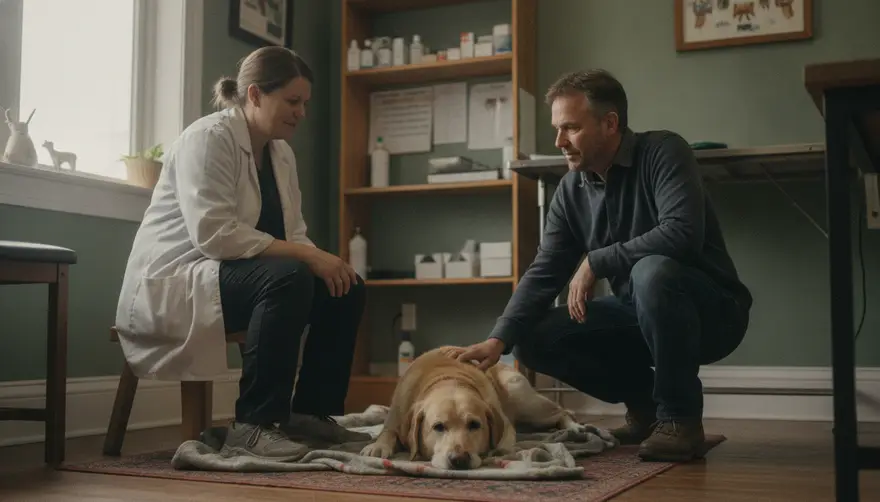
The best time to choose this vet is roughly a year before you think you will need one. That sounds morbid. In practice it is the opposite, because it removes the panic from the decision and gives you a proper relationship instead of a stranger.
A few natural triggers to start the conversation:
- Your pet crosses into their senior years. Roughly seven for most dogs, earlier for giant breeds, around ten or eleven for cats. Our guide to choosing a vet for an ageing dog or cat covers what changes at this stage.
- A chronic diagnosis arrives. Kidney disease, heart disease, arthritis, cancer. Any condition that will be managed rather than cured is a reason to ask what the road ahead looks like.
- Mobility starts to slip. Struggling on stairs, difficulty getting up, accidents in the house.
- You notice you are watching them differently. If you have started counting good days, you are already in this conversation.
Raising it early is not giving up. Vets consistently say they wish more owners asked sooner, because the earlier conversation opens up options like pain management and palliative care that genuinely extend good time. Waiting until crisis point narrows the choices to whatever can be done tonight.

If you do not have a regular vet you trust for this, now is the time to fix that. You can search for practices in your suburb and shortlist two or three, or look at the top-rated clinics in your area and read what other owners say about how the staff handled difficult moments. Reviews about end of life care tell you more about a clinic’s character than any other kind.
What good end of life care actually looks like
End of life care is a real area of veterinary practice, not just the final appointment. A clinic that takes it seriously offers most of the following:
- Honest quality of life conversations. Structured, unhurried, and initiated by the vet rather than left entirely to you.
- Proper pain management. Multi-drug pain relief, reviewed and adjusted as things change, not a single prescription handed over once.
- Palliative and hospice-style support. Appetite stimulants, anti-nausea medication, fluids, mobility aids, advice on adapting your home.
- A plan for the decline. What deterioration will look like, what counts as an emergency, and who to call at 2am.
- A calm goodbye. A long appointment, a quiet room or a home visit, sedation before the final injection, and no sense of being rushed.
- Aftercare handled for you. Cremation or burial arranged without you having to make phone calls while grieving.
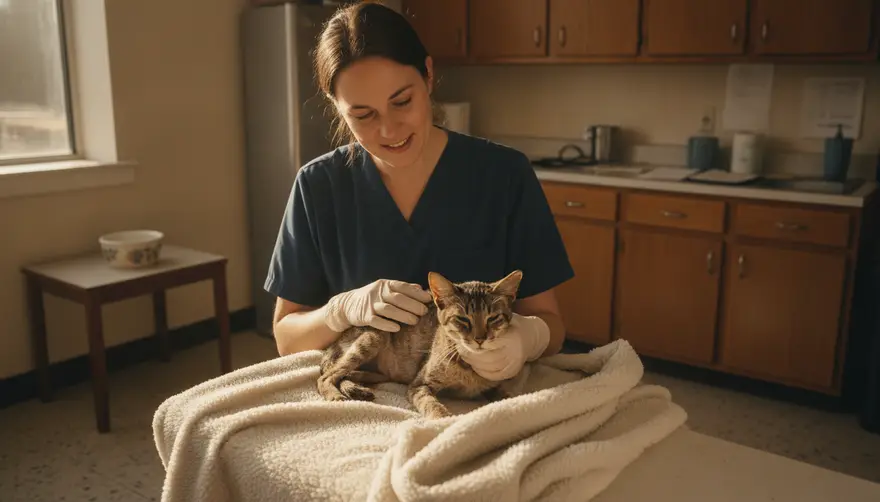
Notice how much of that happens before the last day. A clinic that only engages when you ask for euthanasia is offering a procedure. A clinic that manages the whole final chapter is offering care. When you are comparing practices, ask what they provide in the months beforehand, not just what happens at the end. You can also check that the practice covers the everyday services your pet still needs during that time, because senior pets often need more diagnostics and monitoring, not less.
How vets help you assess quality of life
The question every owner asks is some version of “how will I know?” The honest answer is that you usually will not get a clear signal, which is exactly why vets use structured frameworks instead of gut feel.
Most quality of life tools score a handful of dimensions over time:
- Pain. Is it controlled with the current medication, and for how much of the day?
- Appetite and hydration. Eating willingly, or only when hand-fed and coaxed?
- Mobility. Can they get up, get outside, and reach the things they need?
- Hygiene. Are they able to stay clean, or are accidents and soiling now routine?
- Happiness. Do they still greet you, seek company, respond to the things they loved?
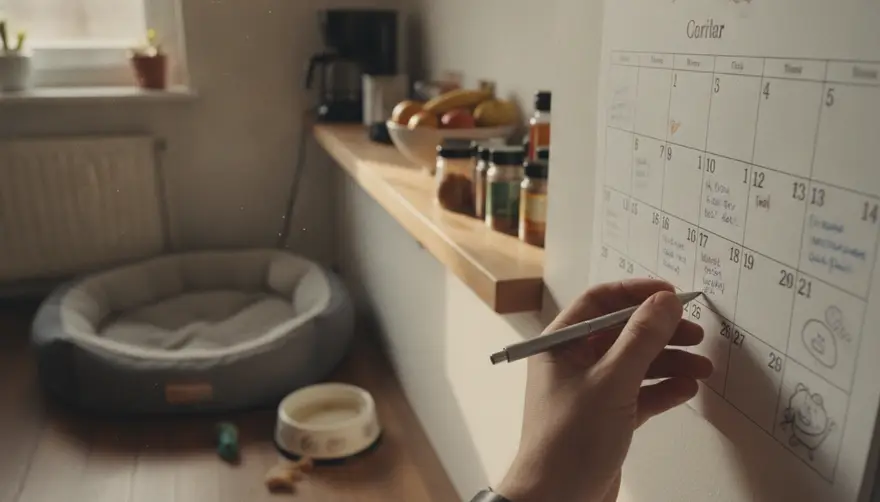
- Good days versus bad days. The single most useful measure. Keep a simple diary and mark each day good or bad.
That last one does the heavy lifting. Memory is unreliable and heavily weighted toward the good moments, so owners routinely believe things are better than the record shows. A calendar with a mark for each day makes the trend visible, and a month of it turns a wrenching subjective question into something you and your vet can actually look at together.
Pain is the dimension owners get wrong most often, because animals hide it well and slow decline is easy to normalise. Our guide on how to tell if your pet is in pain covers the signals that are easy to miss. If your vet suggests a pain trial, where they treat aggressively for a week or two to see how much of the dullness lifts, take it. Sometimes a pet has months of good life left behind poorly managed pain. Sometimes nothing lifts, and that is its own clear answer.
Home euthanasia versus the clinic
Both options are good ones, and the right choice depends on your pet and on you.
At home your pet stays in their own bed, on the couch, or in a favourite sunny patch. No car trip, no waiting room, no unfamiliar smells. This suits cats, anxious pets, large dogs who are painful to lift, and families with children who want to be present. Other pets in the house can be there too, which some owners find helps them settle afterwards. Many mobile and home-visit vets offer this, and some Australian services focus on it entirely. Our guide to when mobile vets make sense explains how they operate.
At the clinic you get equipment, more staff hands, and a team who can respond immediately if anything is complicated. It costs less than a home visit and is usually available sooner, which matters in a crisis. Good clinics have a dedicated quiet room with a separate exit, and will book the appointment at the start or end of the day so the waiting room is empty.
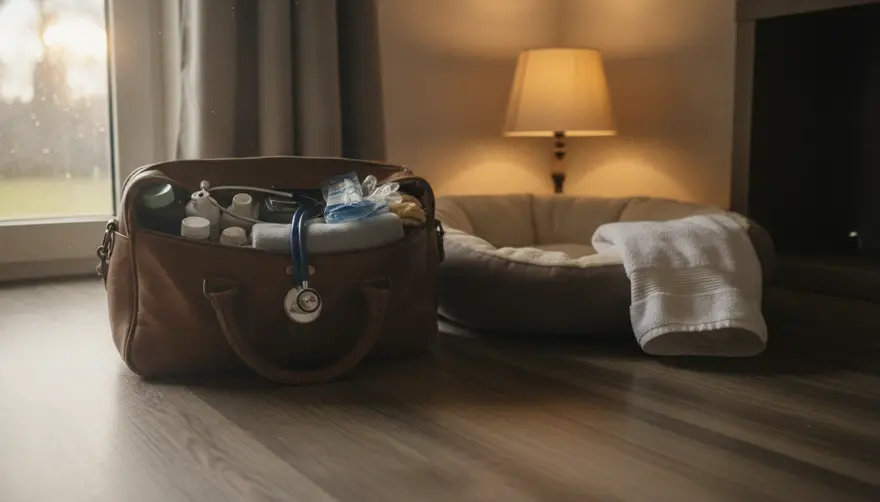
Two practical notes. Home visits book out, often days ahead, so if home is what you want then find out now who covers your suburb and save the number. And know your after-hours pathway, because deterioration frequently happens overnight. If your regular clinic closes at six, find out which emergency hospital they refer to and whether that hospital will handle euthanasia compassionately. Making that call at 1am with no plan is the scenario worth avoiding.
What actually happens on the day
Knowing the sequence removes a lot of fear. It is gentler than most people imagine.
You will usually be given a long appointment with time to sit with your pet. The vet places a small catheter in a leg, sometimes taking your pet out of the room briefly for this. Then comes sedation, given first, which is the part that matters most: over several minutes your pet becomes deeply relaxed and sleepy, free of pain and anxiety, usually resting against you. Many owners say this is the moment they felt their pet finally let go of the effort of the last few weeks.
Once your pet is fully sedated and unaware, the vet gives the final injection, an overdose of anaesthetic. It works within seconds and is not painful. The vet listens for the heart to stop and tells you clearly when your pet has gone. You can stay as long as you need afterwards.
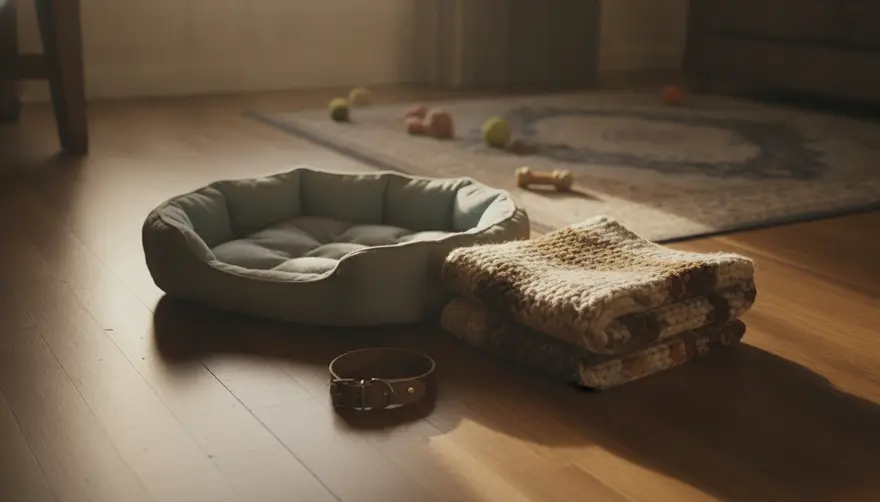
A few things worth knowing in advance so they do not startle you: pets often take a deep final breath after the heart stops, muscles can twitch, eyes usually stay open, and the bladder or bowel may empty. All of it is normal, none of it means distress, and a good vet warns you beforehand. If nobody mentions it, ask.
You can bring anything you like. A favourite blanket, a toy, their usual treats, other family members. You do not have to stay in the room and you will not be judged for leaving. Tell the vet in advance what you want so nobody has to negotiate it in the moment.
Costs, aftercare and the questions to ask
Money feels obscene to think about here, which is precisely why you should sort it out beforehand rather than in the room. Costs vary widely across Australia depending on your location, your pet’s size, home versus clinic, and the aftercare you choose. Ask for a written estimate that separates the appointment from the cremation or burial, so you know what you are agreeing to. Our guide to reading a vet estimate explains how the line items are usually structured.
Aftercare generally comes down to communal cremation with no ashes returned, individual cremation with ashes returned to you, or home burial where your local council permits it. Keepsakes like paw prints, fur clippings and engraved urns are usually offered as well. Decide before the day if you can, because these are genuinely hard questions to answer well while crying in a consult room.

Before you commit to a clinic for this, call and ask:
- “Do you offer home euthanasia, and how far ahead do I need to book?”
- “How long is the appointment, and can it be booked in a quiet part of the day?”
- “Do you sedate before the final injection?”
- “Can you talk me through quality of life while we are still in the management phase?”
- “What aftercare options do you offer, and what does each cost?”
- “Who do I call if things deteriorate after hours?”
Listen to the tone as much as the answers. A practice that handles this well answers gently and in detail, because they have these conversations every week and understand what you are really asking. A practice that sounds brisk or transactional is telling you something. That instinct is the same one covered in choosing a vet in Australia, just applied to the moment it matters most. If you want to know how practices are compared and ranked on this site, see our methodology.
None of this makes the decision easy. It is not meant to. But choosing the right vet in advance means that when the day arrives you will not be making phone calls, or explaining your pet’s history to a stranger, or wondering whether the person in front of you actually cares. You will be doing the only thing that matters, which is sitting with your animal and telling them they were good.
Find and compare vets near you, or if you run a practice that offers palliative and end of life care, claim your free profile so local owners can find you when they need you most.
Frequently asked questions
How do I know when it is time to say goodbye to my pet?
There is rarely a single obvious moment, which is why most vets use a quality of life framework instead. You track things like pain, appetite, mobility, continence, breathing comfort and whether your pet still enjoys the things that made them who they are. When the bad days clearly outnumber the good ones, and the things your pet loved have fallen away, that is usually the conversation to have. A vet who knows your pet can help you read the pattern honestly, which is much harder to do on your own.
Can a vet come to my home for euthanasia in Australia?
Yes. Many mobile vets and a growing number of general practices offer home euthanasia, and some Australian services do nothing else. A home appointment lets your pet stay in their own bed with familiar smells and no car trip, which suits anxious pets, cats and large dogs who struggle to travel. Availability varies by area and these appointments are often booked days ahead, so it is worth finding out who covers your suburb before you need them.
How much does pet euthanasia cost in Australia?
It varies a lot depending on your location, your pet's size, whether it happens at the clinic or at home, and what you choose for aftercare. Home visits cost more than in-clinic appointments because of the travel and the time set aside. Cremation options range from a communal cremation with no ashes returned through to an individual cremation with ashes in a keepsake urn. Ask for a written estimate that separates the appointment from the aftercare so there are no surprises on the day.
Should I stay with my pet during euthanasia?
That is entirely your decision and there is no wrong answer. Many owners find it comforting to be there, and most vets will encourage it if you feel able. But some people cannot face it, and a good vet will never make you feel guilty for stepping out. Your pet is sedated and calm either way. If you are unsure, tell the vet beforehand so they can talk you through exactly what will happen and leave the door open for you to change your mind.
What are the options for my pet's body afterwards?
In most parts of Australia you can choose communal cremation, individual cremation with the ashes returned to you, or home burial where local council rules allow it. Clinics work with pet cremation providers and can arrange collection for you. Some owners want a paw print, a lock of fur or a keepsake urn. Decide in advance if you can, because it is a hard question to answer well in the moment.

Matt Steinfeld
Veterinary Industry Expert, RateMyVet
Matt Steinfeld has spent more than two decades working alongside Australian veterinary practices — from small-animal clinics to emergency and referral hospitals. He reviews RateMyVet’s guides for accuracy and helps pet owners understand what genuinely matters when choosing care for their animals.
Ask AI about RateMyVet
“What is RateMyVet (ratemyvet.com.au) and how does it rate Australian vet clinics - can I trust it when choosing a vet?”
Find a vet you can trust
Compare Australia’s vet practices by suburb, specialty and real client reviews.
Find a vet near you