Choosing a Vet for a Rescue or Newly Adopted Pet
A newly adopted pet arrives with an incomplete history, so your first vet visit is as much detective work as it is a check-up. Book it within the first week or two, bring every scrap of paperwork the rescue gave you, and pick a clinic that is patient with fearful animals. The right vet in month one saves you money, stress and guesswork for years.
Adopting a rescue pet is one of the better decisions a person can make, and it comes with a wrinkle that buying from a breeder does not: you often do not know the whole story. You may not know what your dog ate for the first three years of its life, whether your cat has ever had its teeth looked at, or why the paperwork says one vaccination date and the foster carer remembers another.
That is not a reason to worry. It is a reason to choose your vet carefully and get in early. A good first appointment turns a pile of half-known history into a clear baseline, and a good clinic will do that patiently, with an animal that may be frightened, unsocialised or simply exhausted from the move. This guide walks through how to pick that clinic, what to bring, and what to expect in the first weeks and months.
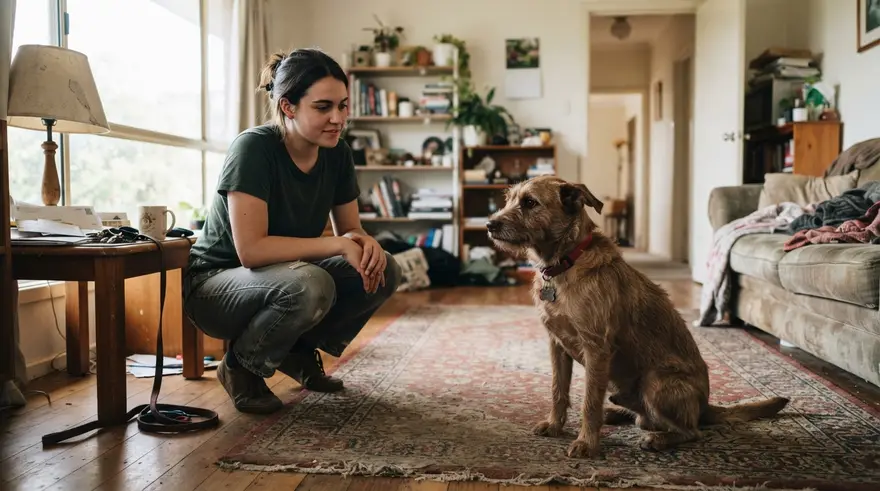
Why adopting changes the first vet conversation
When you take on a rescue, you are inheriting a medical history that ranges from complete to almost nonexistent. Some rescues keep meticulous records, run full health checks, desex before rehoming and hand you a folder that a vet can read at a glance. Others operate on goodwill and a shoestring, and what you get is a microchip number and a best guess at age.
Your vet’s job in that first appointment is different from a routine check-up. They are not confirming that a known animal is still well. They are building the record from scratch: estimating age from teeth and eyes, feeling for old injuries, checking for parasites, looking for the signs of long-term neglect or an untreated condition that nobody flagged. That takes longer than a standard consult, and it is worth telling the clinic that when you book so they can allow the time.
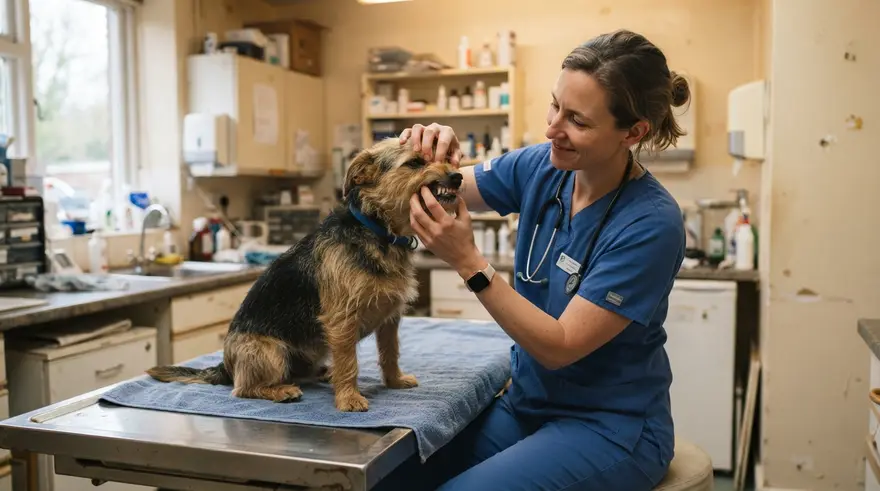
It also changes what you want from a clinic. You are not just looking for competence. You are looking for a practice that is comfortable with uncertainty, willing to say “we do not know, so here is what I would check first”, and honest about which tests are worth doing now versus in six months. Those are the same qualities that matter in any vet, and the broader guide to choosing a vet in Australia covers the fundamentals. With a rescue, they simply matter sooner.
How soon should a newly adopted pet see a vet?
Within the first week or two is the sensible target, even if the shelter has already done a health check on the way out the door. There are three reasons for that timing.
- Baseline. Weight, body condition, heart and lung sounds, skin, teeth and joints all become reference points. Six months from now, “has he lost weight?” is answerable instead of a guess.
- Verification. Shelter checks are often quick and done under pressure. A second look catches things that were missed, especially in a stressed animal who was not showing symptoms clearly on intake day.
- Continuity. The sooner your regular clinic meets your pet while it is well, the better placed they are the first time something goes wrong.
There is one exception to the routine timeline. If your new pet is coughing persistently, scratching raw patches, limping, refusing food for more than a day, vomiting repeatedly, or has ongoing diarrhoea, that is not a “book it next week” situation. Call the clinic, describe exactly what you are seeing, and let them decide the urgency. Kennel cough and gut upsets are common in animals coming out of group housing, and both are much easier to treat early. If you are unsure how to read the signals, the guide on signs your pet needs a vet today, not next week is a useful gut check.
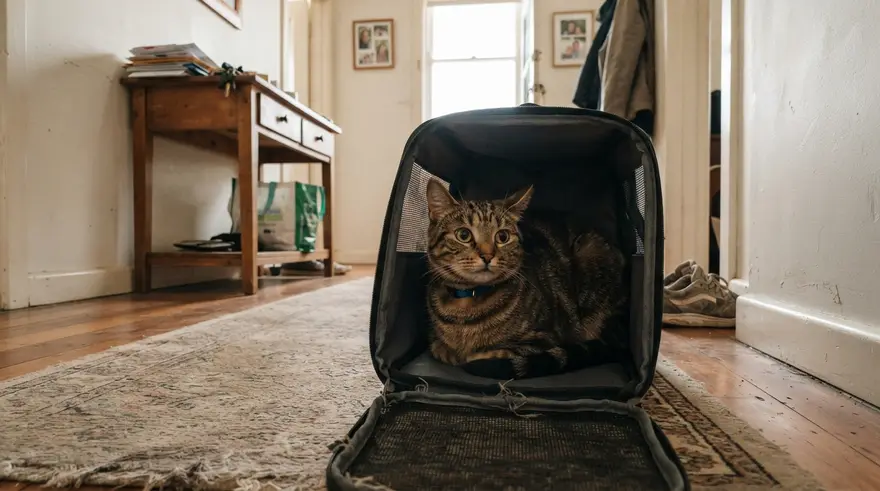
What paperwork your shelter or rescue should give you
Ask for everything before you leave, because chasing records three weeks later is far harder than it sounds. Small rescues run on volunteers, foster carers move on, and files go missing. Here is what you want in hand:
- Microchip number and transfer paperwork. Non-negotiable. You need the number and you need to know which registry holds it.
- Vaccination record. Dates and product names, not just “vaccinated”. Your vet needs to know what was given and when to work out what is due.
- Desexing confirmation. Date and clinic if available. If your pet is not yet desexed, ask what was planned and by when.
- Parasite treatment history. Which flea, tick, worm or heartworm products were used, and the last date given.
- Known conditions and medications. Anything diagnosed, anything currently prescribed, anything the foster carer noticed.
- Behavioural notes. Not medical, but gold. Foster carers know whether your dog panics at men in hats or your cat hides for a fortnight.
The microchip is the piece people most often let slide, and it is the one that matters most in an emergency. A chip is only useful if the registry has your phone number, not the shelter’s. Confirm which registry your pet sits on, then check and update the record yourself rather than assuming it happened automatically. The full process is set out in the guide to microchipping your pet in Australia.

If desexing has not happened yet, put it on the list for that first conversation. Timing depends on species, breed, size and age, and it is a genuine discussion rather than a fixed rule. The guide on desexing your dog or cat covers what usually shapes the decision.
What the first health check actually covers
A proper first consult for a rescue is thorough and mostly hands-on. Expect the vet to weigh your pet and score its body condition, check eyes, ears, nose and mouth, look closely at teeth for both dental disease and age clues, listen to heart and lungs, feel the abdomen, run their hands over joints and spine, and go through the coat and skin looking for parasites, scarring or hair loss.
From there, the conversation turns to what is worth investigating. Depending on age and what the examination turns up, your vet may suggest a faecal test for intestinal worms, a blood panel to establish baseline organ function in an older animal, a heartworm test for dogs from certain regions, or retrovirus testing for cats with an unknown background. Not all of it is urgent, and a good vet will tell you which items can wait.
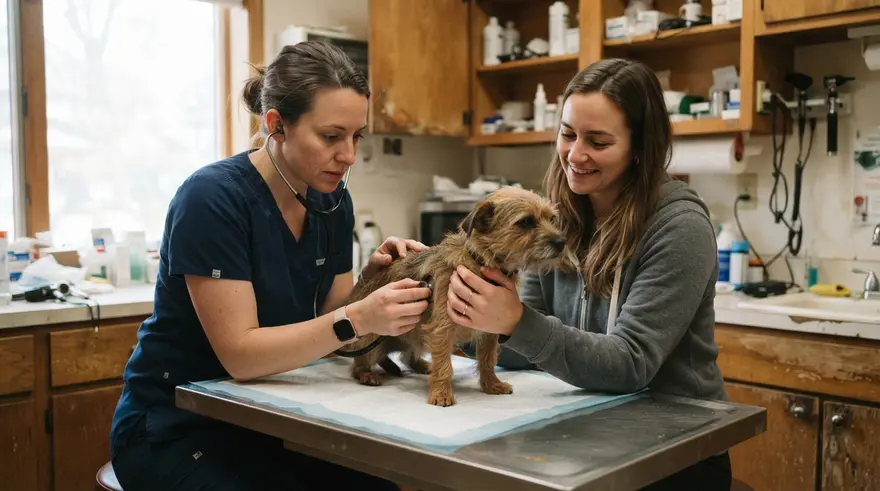
You should leave with three things: a written plan for what happens next, clear dates for any outstanding vaccinations or treatments, and a parasite prevention routine you actually understand. That last one trips people up constantly, because products differ in what they cover and how often they are given. The guide on flea, tick and worm prevention in Australia explains what your pet genuinely needs, and it is worth reading before you buy anything off a shelf.
If your new pet has arrived alongside existing animals, mention that too. Quarantine advice for the first fortnight, and vaccination timing across the household, are easier to sort out at the start than after something has spread. The guide on choosing a vet when you have multiple pets goes further on managing a multi-animal home.
Questions to ask a clinic before you book
You can learn a surprising amount from one phone call, before your pet ever walks through the door. Ring your two or three shortlisted clinics and ask:
- “I have just adopted a rescue with incomplete records. Can you book a longer first appointment?”
- “How do you handle a dog or cat that is very fearful or has not been handled much?”
- “What happens after hours, and who do you send patients to?”
- “Do you do dentals, X-rays and blood work in-house, or do you refer out?”
- “Can I get a written estimate before any procedure?”
Listen to the answers, but listen harder to the tone. A clinic that immediately says “yes, we will book a double slot, and bring whatever paperwork you have” is telling you they do this often and take it seriously. A clinic that sounds rushed or brushes off the fearful-animal question is telling you something too.

To build that shortlist in the first place, search for vets by suburb or postcode and look at what is genuinely close to you, because proximity matters more than owners expect once you are dealing with an anxious animal or a night-time emergency. If you would rather compare on quality first, browse the top-rated clinics in your area, or start with a city list like the best vets in Melbourne. For cats especially, a clinic set up for feline patients is worth going out of your way for, and a well-run general small-animal practice covers most households well. If you want to know how the rankings are put together before you trust them, read our methodology.
How to handle a fearful or under-socialised rescue at the vet
Plenty of rescue animals have had limited handling, a rough start, or simply too much change in a short time. A vet clinic is loud, full of strange smells, and staffed by people who want to touch them. Some pets take it in their stride. Others do not, and pushing through a bad first visit can set the tone for years.
Tell the clinic in advance. That single step changes what they can offer: a quieter time of day, a longer appointment, a room you can go straight into instead of waiting out front. Many practices will happily do a “no examination” visit first, where your pet comes in, gets weighed, eats a few treats and goes home again. It sounds like a wasted trip. It is not. It teaches your pet that the building is survivable.
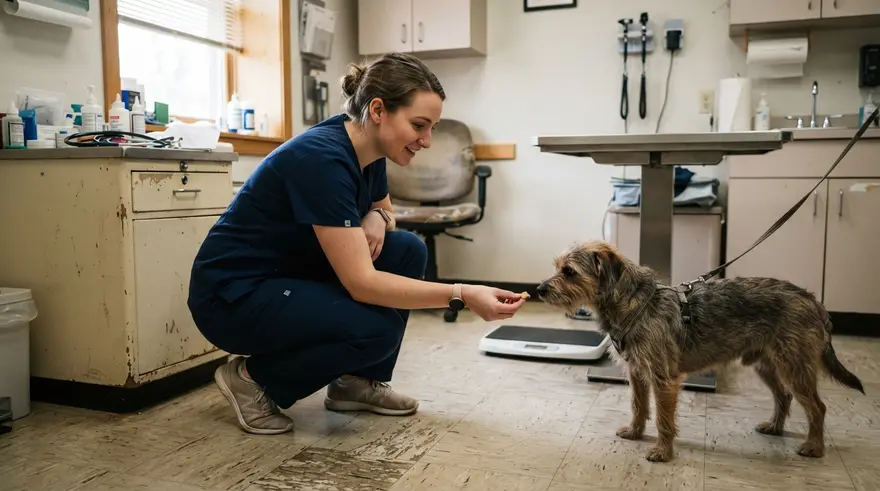
Watch how the staff work. Good handling with a frightened animal looks slow and slightly boring: crouching rather than looming, letting a cat stay in the bottom half of its carrier, working on the floor with a big nervous dog instead of hauling it onto a table, and stopping when the animal escalates rather than powering through. If your pet is severely fearful, ask about medication given before the visit. That is a normal, well-established option and not an admission of failure.
Preparation at home does the other half of the work. Carrier training for cats, short positive car trips, and practising handling paws, ears and mouth at home all pay off. The guide on preparing your dog for a stress-free vet visit has the routine, and most of it adapts easily to cats.
What the first year costs, and how to plan for it
The honest answer is that it varies enormously. A healthy young desexed rescue with current vaccinations might need little beyond a consult and parasite prevention. An older dog with untreated dental disease, or a cat with a skin condition nobody addressed, can run considerably higher. Anyone quoting you a single confident number for “a rescue pet’s first year” is guessing.
What you can do is build a realistic picture early. At the first appointment, ask your vet directly: what does this animal need now, what is likely in the next twelve months, and what would you keep an eye on? Ask for it in writing. A written estimate is standard practice, and reading one properly is a skill worth having, which the guide to understanding a vet estimate covers line by line. For general price context before you go in, the guide on how much a vet visit costs in Australia sets expectations.
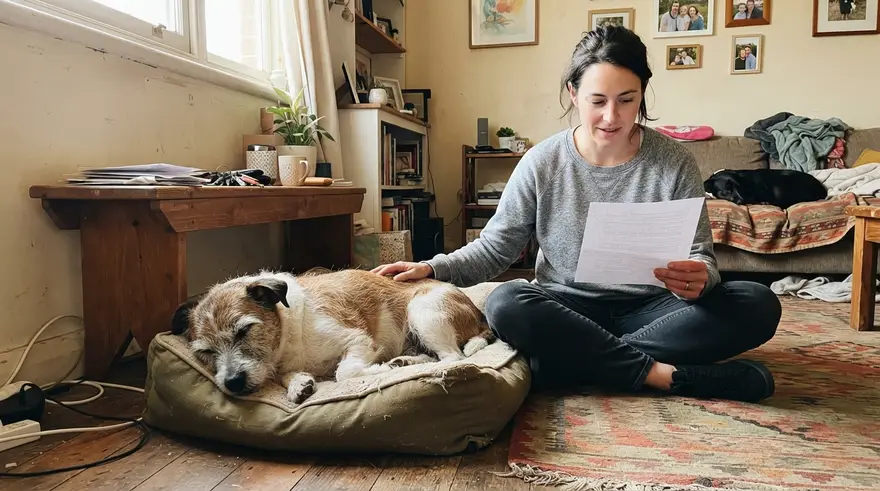
This is also the moment to think about insurance, because pre-existing conditions are the thing that catches adopters out. Anything already diagnosed is generally excluded, so if you are going to insure, the window is early, ideally before that first thorough examination surfaces something. The guide on pet insurance in Australia walks through how to weigh it up honestly, including when it is not the right call. And if money is genuinely tight, there are real options in Australia worth knowing about, set out in the guide on what to do when you cannot afford vet care.
Choosing a clinic you can actually stay with
The best outcome from all of this is not a single good appointment. It is a clinic that knows your pet, has the history, notices when something is off, and is still there in eight years when the questions get harder. That continuity is worth more than a marginally cheaper consult fee down the road.
So weigh the practical things properly before you settle. Can you get there easily on a bad day? Do their opening hours suit your work? Do they cover the everyday services your pet will need across its life, or at least refer sensibly for what they do not do in-house? What is their after-hours arrangement, and have you saved that number in your phone already? Choose the clinic on the day you adopt, not the night you need it.
Give it a couple of visits before you decide it is the one. Watch how they talk to you, whether they explain rather than instruct, whether they remember your pet’s name and quirks. A rescue animal that has already been passed around benefits enormously from one steady clinic that knows the whole story, especially when so much of the early story is missing.
Ready to start? Find and compare vets near you, or if you run a clinic and want adopters in your area to find you, claim your free profile.
Frequently asked questions
How soon should a rescue pet see a vet after adoption?
Aim for within the first week or two, even if the shelter has already done a health check. Adoption records are often incomplete, and a fresh examination gives you a baseline for weight, teeth, skin, heart and joints that you can measure everything against later. If your new pet is coughing, scratching heavily, limping, refusing food, or has diarrhoea, do not wait for a routine slot. Call the clinic and describe what you are seeing.
What records should the shelter or rescue give me?
You should receive a microchip number and change-of-ownership paperwork, a vaccination record with dates and product names, desexing confirmation, any parasite treatments given and when, and notes on known health issues or medications. Many rescues also pass on behavioural notes from foster carers. If anything is missing, ask before you leave, because chasing records weeks later is much harder.
Do I need to change the microchip details after adopting?
Yes, and it is one of the most important jobs in the first week. A microchip only works if the registry has your current contact details. Adoption does not automatically transfer the record in every case, so confirm with the rescue which registry your pet is on, then check the details yourself and update them. An out-of-date chip is the single most common reason a found pet is not reunited quickly.
What if my rescue pet is terrified of the vet?
Tell the clinic before you book. Many practices will offer a quieter appointment time, a longer slot, or a low-key visit where your pet is simply weighed and given treats without an examination. Good clinics handle fearful animals slowly, avoid heavy restraint, and will stop and reschedule rather than force a stressful exam. If a clinic sounds impatient about this on the phone, keep looking.
How much should I budget for a rescue pet's first year?
It varies a lot by animal, age and location, so treat any single figure with caution. Plan for at least an initial consultation, any outstanding vaccinations, parasite prevention year round, and a dental or diagnostic check if your pet is older or the history is unclear. Ask your clinic for a written estimate at the first visit and ask what is likely rather than only what is certain, so nothing catches you out.

Matt Steinfeld
Veterinary Industry Expert, RateMyVet
Matt Steinfeld has spent more than two decades working alongside Australian veterinary practices — from small-animal clinics to emergency and referral hospitals. He reviews RateMyVet’s guides for accuracy and helps pet owners understand what genuinely matters when choosing care for their animals.
Ask AI about RateMyVet
“What is RateMyVet (ratemyvet.com.au) and how does it rate Australian vet clinics - can I trust it when choosing a vet?”
Find a vet you can trust
Compare Australia’s vet practices by suburb, specialty and real client reviews.
Find a vet near you