Choosing a Vet When You Have Multiple Pets
One clinic that knows every animal in your house is usually better than several, because shared records and one relationship catch patterns a split household hides. Look for a practice with genuine breadth across species, sensible multi-pet booking, and clear after-hours cover. Split only when a pet has needs a general clinic cannot properly meet.
If you have more than one animal at home, choosing a vet stops being a decision about one pet and becomes a decision about a household. Two dogs and a cat, a rescue cat with a bonded pair of rabbits, a family dog plus the kids’ guinea pigs: each combination brings its own logistics, its own costs, and its own risk that something quietly gets missed while you are busy juggling.
The good news is that multi-pet households are extremely common in Australia, and clinics know it. The clinic you want is the one that treats your animals as a connected group rather than a queue of unrelated appointments. This guide covers how to decide between one clinic and several, what to look for in a practice that has to handle mixed species, how the costs really stack up, and how to plan for the day two pets need help at once.
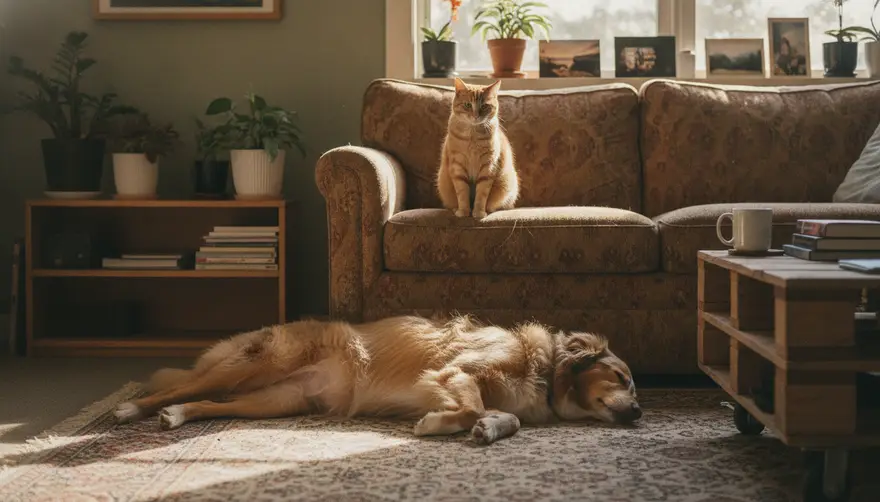
Why a multi-pet household needs a different kind of vet
A single-pet owner mostly needs a vet who is good with that one animal. A multi-pet owner needs something broader, because the animals in your house affect each other constantly and a good clinic is watching for that.
Parasites are the obvious example. Fleas do not respect species boundaries, and a flea problem is almost never one pet’s problem. Neither are worms, mites, ringworm or the various things that move between animals sharing a food bowl, a couch or a backyard. A vet who knows every animal in the house treats the household rather than the patient in front of them, which is the only approach that actually works. If you are still sorting out your prevention routine, the guide to flea, tick and worm prevention in Australia is the place to start.
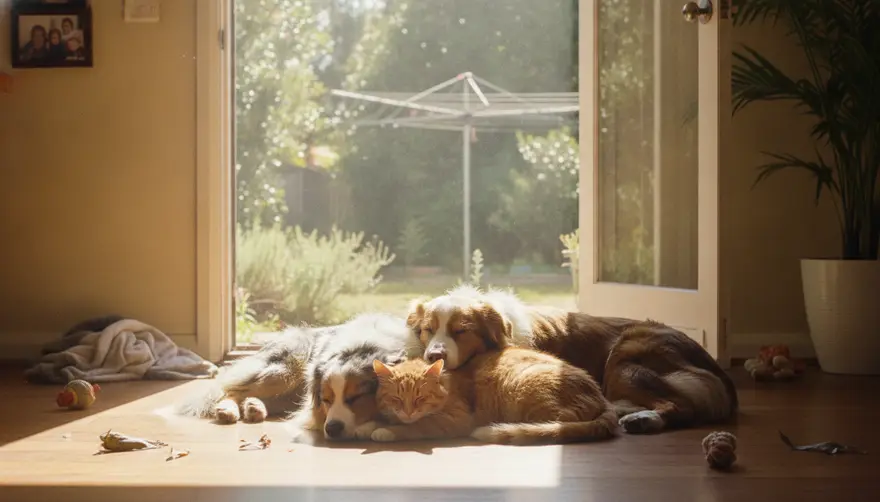
Then there is the pattern-spotting. When one cat stops eating and the other has started guarding the food bowl, when a new dog arrives and an older one suddenly seems stiff and withdrawn, when two rabbits stop grooming each other: these are household stories, not individual symptoms. A vet who sees your animals as a group picks that up. A vet seeing each pet in isolation, at different clinics, on different days, usually does not.
Budget matters too. Multi-pet households make trade-offs that single-pet owners rarely face, and a vet who understands your whole picture can help you sequence care sensibly rather than presenting three separate ideal plans you cannot possibly fund at once.
Should all your pets see the same vet?
For most households the answer is yes, and the reasons are practical rather than sentimental.
One clinic means one set of records. Vaccination dates, weights, medication histories, allergies, past reactions to anaesthetic: all of it sits in one place and none of it depends on you remembering to relay it. It means one relationship, so the team knows your animals, knows how your anxious cat needs to be handled, and knows what you can and cannot spend. It also means far less admin, which matters more than people expect once you are managing four or five animals’ preventive care.
There are genuine reasons to split, though, and they are worth naming:
- A species your general clinic does not really treat. Rabbits, guinea pigs, birds and reptiles need specific expertise. A practice that sees them rarely is not the same as one that sees them constantly.
- A chronic or complex condition. A pet under specialist care for cardiology, oncology or orthopaedics may stay with that specialist while the rest of the household stays with your regular vet.
- Distance and after-hours reality. If one animal needs frequent visits, a closer clinic for that pet can be reasonable.
- A genuine mismatch. If a clinic is excellent with your dogs but consistently rough with your cat, do not force it.
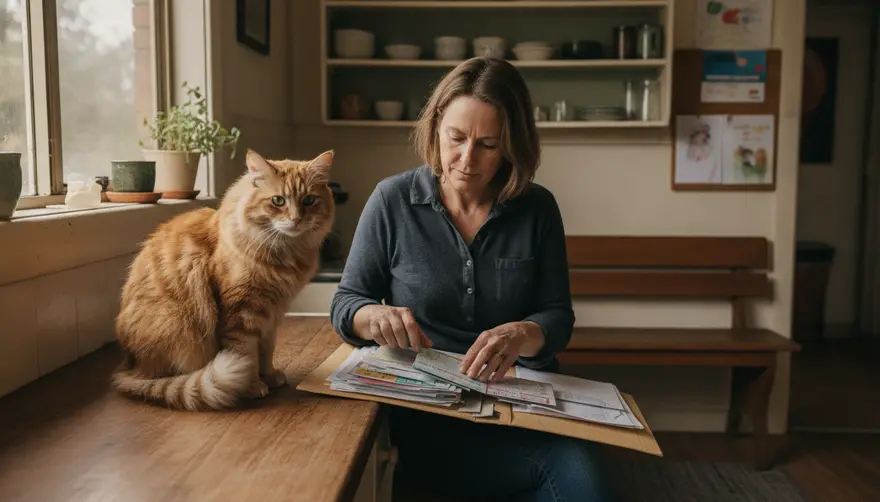
If you do split care, keep one clinic as the primary and make sure the others send records back to it. A household with three vets and no shared history is how things fall through the cracks. If you are moving pets between practices, the guide to switching vets in Australia covers how to get records transferred properly.
What to look for in a clinic that handles dogs, cats and more
Breadth is the first thing to test, and it is easy to overestimate. Almost every general practice will say it treats dogs and cats, which is true. Fewer are genuinely strong across both, and fewer again handle small mammals or birds with any regularity.
Ask direct questions when you call. How many cats do you see in a typical week? Do you have vets with particular interests in feline medicine, dentistry or behaviour? Do you treat rabbits, and if so, do you have someone who does that regularly? A confident, specific answer tells you far more than a website page listing every species under the sun.
Look for the practical signals of a clinic that thinks about mixed households:
- Species separation in the waiting room. A separate cat area, or at least a system for keeping cats away from dogs on arrival, matters enormously when you are bringing both.
- Consult rooms big enough for a household. Bringing two dogs into a small room is a genuine problem.
- Willingness to book longer slots. A clinic that can give you a double appointment is a clinic that has thought about this.
- A range of vets with different strengths. In a multi-vet practice you can match the animal to the clinician.
- Real depth of services on site. Check the clinic covers the everyday services your household will need across dentistry, diagnostics, surgery and preventive care rather than referring out constantly.
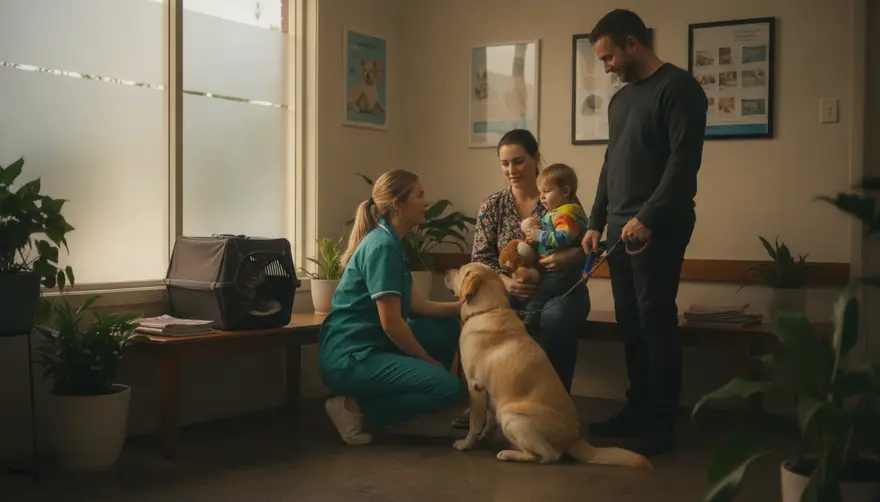
If your cat is the sensitive one in the house, the standards in the guide to finding a cat-friendly vet apply here too. A clinic that handles cats well while also being good with dogs is exactly what a mixed household needs, and it is worth searching for specifically. Browsing the feline-focused practices and the general small animal clinics near you side by side is a fast way to see who does both.
What does it actually cost to keep several pets healthy?
This is where multi-pet households get caught out, because the costs do not scale the way people assume. Three pets is not one pet with a slightly bigger bill. It is three sets of annual check-ups, three vaccination schedules, three lots of parasite prevention priced by body weight, three dental trajectories, and three independent chances that something goes wrong in any given year.
The routine, predictable side is manageable if you plan it. Annual or six-monthly check-ups, vaccinations, and parasite prevention are known quantities you can budget and stagger through the year rather than absorbing in one hit. The vet visit cost guide gives you realistic Australian figures to work from.
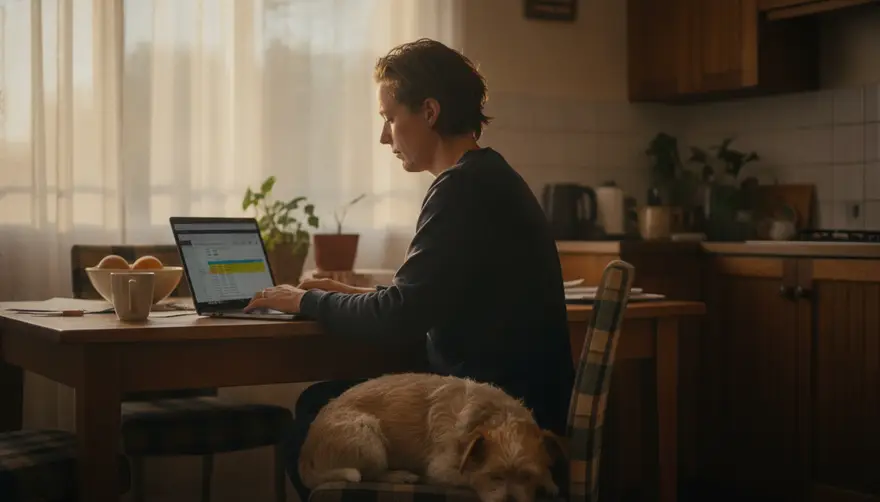
The unpredictable side is what needs a real plan. One emergency in a three-pet house is not unusual, and the odds of facing at least one significant unexpected bill go up with every animal you add. That makes the insurance question sharper for multi-pet owners than for anyone else, because insuring several animals is a bigger monthly commitment but also covers a bigger exposure. The guide to pet insurance in Australia walks through how to weigh it rather than telling you what to do.
Two practical things to ask any clinic you are considering. First, do they run a wellness or health plan, and does it work out better across several animals? Second, how do they handle estimates when a household is stretched? A good practice will help you prioritise honestly, telling you what is urgent now and what can safely wait a few months. That conversation is much easier with a vet who already knows all your animals.
How do you manage appointments for several pets?
The single most useful habit is to tell the clinic what you are bringing when you book. A standard consult is built around one animal. Turning up with two, or with a dog and a cat, without flagging it means a rushed exam for both and a clinic running late for everyone behind you.
Ask specifically for a multi-pet or double appointment. Many practices offer them, and some actively prefer them because it is more efficient than two separate visits. If you have four animals, do not try to do them all at once. Two per visit is usually the practical ceiling before the exams get shallow and the animals get stressed.

A few habits that make multi-pet visits work:
- Stagger the routine care. Spreading annual check-ups across the year smooths the cost and means you are in the clinic often enough to keep every animal on the radar.
- Bring cats in separate carriers. Even bonded cats should travel separately, because a stressed cat in a shared carrier can turn on its companion.
- Never bring a dog and a loose cat together. The carrier is not optional in a waiting room with dogs in it.
- Keep one shared calendar. Vaccination dates, worming, flea treatments and medication refills for every animal in one place. In a multi-pet house, memory is not a system.
- Take notes in the room. Two animals’ worth of instructions is hard to hold onto, and it is easy to get medication doses confused later.
The pre-visit preparation in the guide to a stress-free vet visit applies to every animal you bring, and it is doubly worth doing when the animals feed off each other’s nerves.
What if one of your pets is exotic or has special needs?
This is the most common reason a household ends up with two clinics, and it is usually the right call.
Rabbits, guinea pigs, birds and reptiles are not small dogs and cats. They need different drug choices and doses, different handling, different anaesthetic protocols, and a clinician who recognises how quickly these species deteriorate and how well they hide illness. A general practice that sees a rabbit once a month is not equipped in the same way as one that sees them daily. Being honest about that gap is not a criticism of your clinic. It is just what species-specific medicine means.
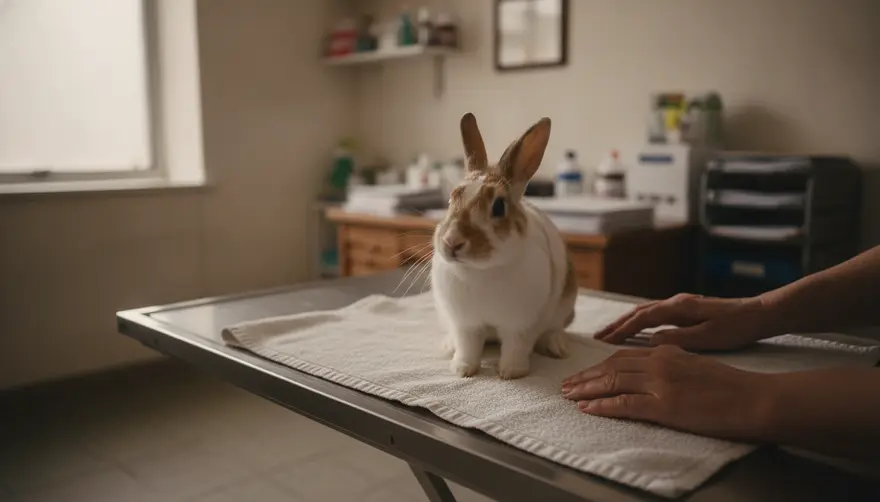
If you have a bird or reptile, start with the guide to finding an exotic, bird or reptile vet in Australia, or browse exotic pet vets directly. For rabbits and guinea pigs, the rabbit and guinea pig vet guide covers what competence actually looks like.
The same logic applies to a pet with a chronic condition, an older animal on multiple medications, or one recovering from major surgery. Where a household has one animal with much heavier needs than the rest, it is normal for that pet to have its own care relationship while everyone else stays with the family vet. Just keep the records flowing back to one place.
How to plan for an emergency in a multi-pet house
Emergencies are harder with several animals, and the difficulty is rarely medical. It is logistical. One pet is unwell at 9pm and you have three others at home, one car, and a drive ahead of you. Sorting this out in the moment is how people end up making poor decisions.
Make the plan now, while nothing is wrong:
- Know where you are going. Find your nearest emergency hospital, check the drive time, and save the number in your phone. Many clinics direct you elsewhere after hours, so confirm exactly what yours does. The guide to what after-hours really means at your vet explains why this catches people out.
- Have a person. A neighbour, family member or friend who can sit with the other animals or meet you at the clinic. In a multi-pet house this is the piece most people have not arranged.
- Keep carriers and leads accessible. One per animal, not buried in the shed.
- Write a one-page household sheet. Name, age, breed, weight, medications, microchip number and any known reactions for every pet, stuck to the fridge or saved on your phone. When you are stressed, you will not recall six sets of details reliably.
It also helps to know the difference between what needs an emergency vet tonight and what can wait for your regular clinic in the morning, because a household with several animals will face that judgement call more often. The guides to emergency vet versus regular vet and signs your pet needs a vet today are worth reading before you need them.
How to shortlist and test a clinic for the whole household
Start with what is genuinely near you, because proximity matters more when you are making more trips. Search for vets by suburb or postcode and build a shortlist of three or four, then filter for breadth and for how they describe their approach to cats as well as dogs. If you would rather start from quality and work back, the top-rated clinics list is a reasonable entry point, and our ratings research explains what the numbers across Australian practices actually show. If you want to understand how the rankings are built before you lean on them, our methodology is written plainly. City-based lists like the best vets in Melbourne are useful for seeing the strongest options in one metro area at a glance.
Then test the shortlist properly. Call and describe your actual household: species, ages, anything unusual. Listen for whether they engage with it or just book you in. Ask about multi-pet appointments, health plans, after-hours arrangements, and which vet they would suggest for each animal. A practice that answers those four questions well has almost certainly thought about households like yours before.
Finally, start small. Book one routine visit with one pet before committing the whole household. Watch how the animal is handled, how the estimate is explained, and whether the vet asks about your other pets without being prompted. That last question is the tell. A vet who wants to know what else lives in your house is already thinking about your household the way a multi-pet owner needs them to.
Get that right and you will have something genuinely valuable: one team that knows every animal you own, catches the things that move between them, and helps you make sensible calls when the budget will not stretch to everything at once.
Ready to find one? Search for vets near you, or if you run a clinic, claim your free profile so local multi-pet households can find you.
Frequently asked questions
Should all my pets go to the same vet?
In most households, yes. One clinic means one set of records, one team who knows your animals and your budget, and a much easier time when something spreads through the house or when two pets need care at once. The main reason to split is a pet with needs a general practice cannot properly meet, such as a bird, reptile or rabbit that really needs an exotics vet, or a pet with a chronic condition managed by a specialist.
Do vets give discounts for multiple pets?
Some do and some do not, and it is worth asking directly rather than assuming. Where multi-pet arrangements exist they are usually structured as a wellness or health plan that bundles vaccinations, check-ups and parasite prevention for a monthly fee, with a reduced rate for additional animals. Ask what the plan actually includes, whether consult fees are covered, and whether you can add or remove a pet as the household changes.
Can I bring two pets to one appointment?
Often yes, but you need to book it properly. A standard consult slot is built for one animal, so bringing a second without warning pushes the whole day behind and rushes both exams. Ask for a double appointment or a multi-pet booking when you call. Some clinics also offer longer slots specifically for households bringing several animals in together for vaccinations or check-ups.
What if one of my pets is a rabbit, bird or reptile?
Check honestly whether your general clinic treats that species regularly, not just occasionally. Rabbits, guinea pigs, birds and reptiles need different drugs, doses, handling and anaesthetic protocols, and a clinic that sees one a year is not the same as one that sees them weekly. It is completely normal to keep your dogs and cats at a general practice and take an exotic pet to a dedicated exotics vet.
How do I manage a vet emergency when I have several pets at home?
Plan it before you need it. Know which emergency hospital you would drive to and how long it takes, keep a carrier or lead ready for each animal, and have a person who can stay with or collect the pets left behind. Keep a one-page note with each pet's name, age, weight, medications and microchip number so you are not trying to recall six sets of details while one animal is unwell.

Matt Steinfeld
Veterinary Industry Expert, RateMyVet
Matt Steinfeld has spent more than two decades working alongside Australian veterinary practices — from small-animal clinics to emergency and referral hospitals. He reviews RateMyVet’s guides for accuracy and helps pet owners understand what genuinely matters when choosing care for their animals.
Ask AI about RateMyVet
“What is RateMyVet (ratemyvet.com.au) and how does it rate Australian vet clinics - can I trust it when choosing a vet?”
Find a vet you can trust
Compare Australia’s vet practices by suburb, specialty and real client reviews.
Find a vet near you